
 科莫多潜水向导
 16 Aug 2026 10 min read
2027年巴厘岛与科莫多潜水对比:来自科莫多潜水船船员的真实对比
If diving is the whole point of your trip, choose Komodo. If diving is one ingredient in a larger holiday — a…
Read more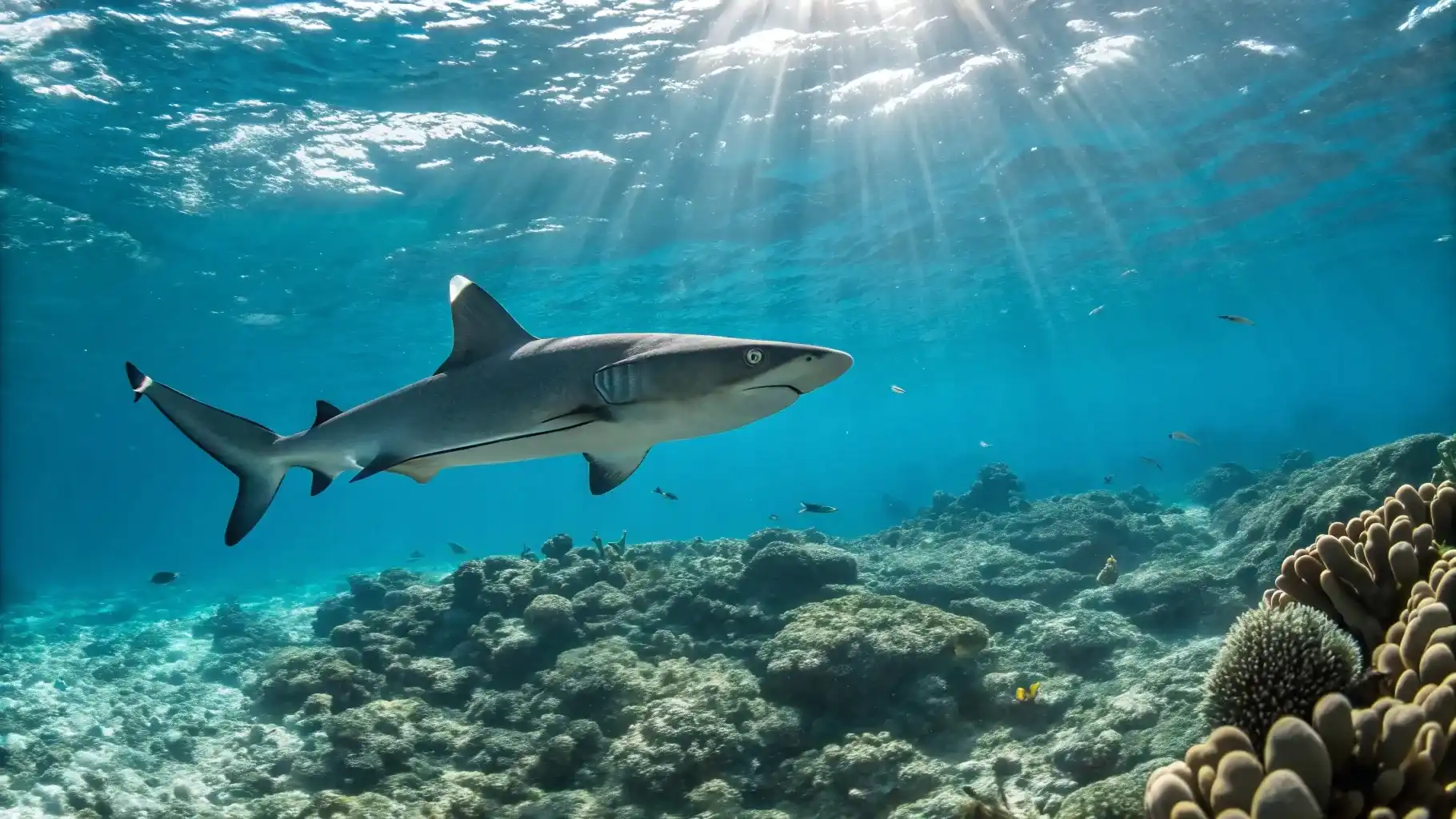
科莫多潜水向导
在科莫多,灰礁鲨和白鳍礁鲨是您必定能看到的物种,它们主要集中在洋流湍急的北部礁峰——尤其是卡斯尔岩。黑鳍鲨在浅水区巡游,竹鲨则在夜间栖息于岩架下方,而公园里的鲨鱼对潜水员完全不感兴趣。
| 物种 | 在哪里 | 似然度 | 深度带 |
|---|---|---|---|
| 灰礁鲨 | 卡斯尔罗克、水晶岩、霰弹枪、黄金通道 | 在受洋流影响的巅峰处进行一次高空潜水 | 15–30 米 |
| 白鳍礁鲨 | 卡斯尔岩、巴图博隆、塔塔瓦、最北端的礁群 | 高处——通常栖息在沙地上或岩架下方 | 10–30 米 |
| 黑鳍礁鲨 | 浅水礁顶和泻湖边缘 | 中等难度,通常是快速通关 | 2–10 米 |
| 竹鲨 | 卡朗·马卡萨,沙质和碎石质海床 | 中等难度,主要在夜潜时进行 | 8–18 米 |
| 沃贝贡鲨及其他地毯鲨 | 偶有报道,但更多见于拉贾安帕特海域 | 低 | — |
| 大型远洋鲨鱼 | 偶发且难以预测 | 低——绝不要以此为卖点推销旅行 | — |
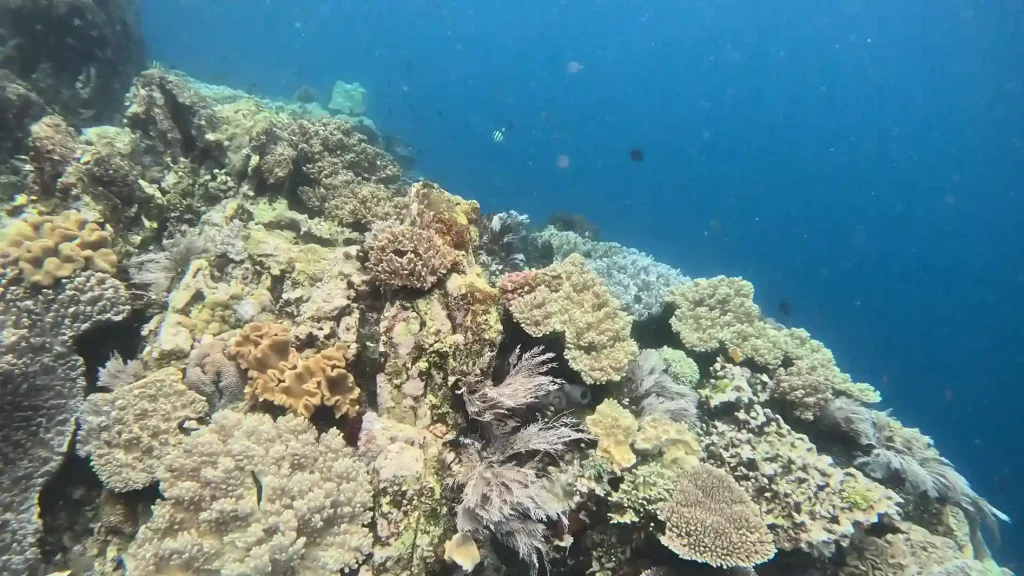
作为“珊瑚三角区”的一部分,科莫多国家公园拥有超过1,000种礁鱼和250多种珊瑚。鲨鱼正是这种生态生产力的直观体现,而非刻意添加的独立卖点。在洋流最湍急、鱼群最密集的地方,总能看到鲨鱼的身影。
灰礁鲨在洋流中定点游弋,迎着水流,利用水流的方式恰如鹰利用山脊上升气流一般。卡斯尔岩——一座位于开阔水域、洋流强度被评为5级(满分5级)的海山——是该公园中这种现象的最纯粹体现。 当你顺着上游面入水时,鲨鱼们便会在你前方的水流线上巡游。水晶岩(Crystal Rock)的情况与此类似,但水流强度稍弱。位于水道中的“霰弹枪”(Shotgun)潜点,则在极强的漂流中增添了鲨鱼的身影。
正因如此,在科莫多潜水邂逅鲨鱼既涉及野生动物知识,也关乎潜水认证资质。可靠的鲨鱼潜点都是面向进阶潜水员的:需持有进阶开放水域潜水员证书,并完成约30至50次记录在案的潜水,且掌握负重入水和礁石挂钩等技巧。未达到这一水平的潜水员,只能在巴图博隆(Batu Bolong)和塔塔瓦(Tatawa)看到白鳍鲨在沙地上休息,这虽是真实的邂逅,但远不及前者那般壮观。
不,这一点值得直言不讳。灰礁鲨和白鳍礁鲨是中小型礁区掠食者,它们把潜水员当作背景风景看待。 科莫多岛的鲨鱼潜点不进行诱饵投放或投喂,因此那里的鲨鱼不会将潜水员与食物联系起来。在科莫多岛进行鲨鱼潜水时,真正的危险在于将鲨鱼带到此处的洋流,以及为了获得更好的视野而下潜至的深度——例如城堡岩(Castle Rock)的下行洋流、被洋流带入深蓝海域,以及在30米深、洋流湍急的水域中进行的气体管理。这些正是潜水前简报的内容。
唯一需要避免的行为显而易见:不要将动物逼入死角、追赶或阻挡,也不要让自己置身于鲨鱼与开阔水域之间。这并非因为这样做很危险,而是因为这会终结这次邂逅。
实际情况比视频中呈现的要平淡得多,也更有条不紊。拖船将你送至上游,你背着空的BCD以负浮力入水,迅速下潜以避免被水流带过海山,然后将钩子钩在裸露岩壁上的死岩上。接着,你就停止了移动。 在仅有一米长的绳索上悬挂二十分钟,缓慢呼吸,看着前方一条灰礁鲨群顺着水流游动,而它们身后的鲹鱼和犬牙金枪鱼则在鲹鱼群中穿梭而过。
潜水行程的结束取决于气量,而非时间,因为在洋流中保持位置会比大多数潜水员预期的消耗氧气更快——在平静的珊瑚礁区能提供55分钟潜水时间的氧气瓶,在这里可能只能提供35分钟。这就是为什么鲨鱼潜水行程被安排在每天的第一档,也是为什么管理良好的船只不会将三趟鲨鱼潜水行程连续安排在一起。
科莫多自1991年起就被列入联合国教科文组织世界遗产名录,正因为该公园的保护措施,尽管印度尼西亚其他地区的鲨鱼数量已大幅减少,这里却依然能经常见到鲨鱼的身影。根据第36/2024号政府条例,每位外国游客每次入园需支付250,000印尼盾的门票费——这笔费用正是您旅行预算中用于支持这一保护体系的唯一开支。 此外,这笔费用大约相当于在巴厘岛享用一顿像样的午餐,也是您此次旅行中最具共识的一笔开支。
灰礁鲨和白鳍礁鲨是常见品种,夜间在浅水区还能看到黑鳍礁鲨,沙质海床处则有竹鲨出没。较大的远洋鱼类偶尔会出现,但绝不能保证一定能见到。
公园北部的开放水域海山“城堡岩”(Castle Rock),紧随其后的是“水晶岩”(Crystal Rock)、“霰弹枪”(Shotgun)和“黄金通道”(Golden Passage)。这些都是受洋流影响的进阶潜点,需持有进阶潜水证书,并拥有约30至50次记录在案的潜水经历。
鲨鱼本身并不构成威胁。灰礁鲨和白鳍礁鲨不会理会潜水员,而且科莫多岛的潜水点也没有投饵行为。真正的风险在于将鲨鱼聚集在一起的洋流、下行洋流、被冲入深海以及在深水区进行的气体管理。
是的,但在巴图博隆(Batu Bolong)的背风处和塔塔瓦(Tatawa)等易于到达的潜点,主要能看到白鳍礁鲨在沙地上或岩架下休息。若想体验巡游的灰礁鲨,则需要前往高级潜点。
4月至6月以及9月至11月,此时海面最为平静,暴露在外的北部海山也基本可以顺利抵达。在那里能否看到鲨鱼,主要取决于出海条件和潮汐时间,而非季节因素。
“Pinta”号由科莫多豪华游艇公司(Komodo Luxury)运营和销售,该公司是拉布安巴焦的一家游艇租赁运营商,自2015年起一直在科莫多国家公园开展游艇行程。预订、咨询潜水团队相关事宜及预留日期,请通过WhatsApp联系+62 811 3823 875或发送邮件至sales@komodoluxury.com。
Send your dates and we will check the calendar before you book anything.
Check AvailabilityKeep Reading
Written by the same team that runs the boat.
科莫多潜水向导 16 Aug 2026 10 min read
If diving is the whole point of your trip, choose Komodo. If diving is one ingredient in a larger holiday — a…
Read more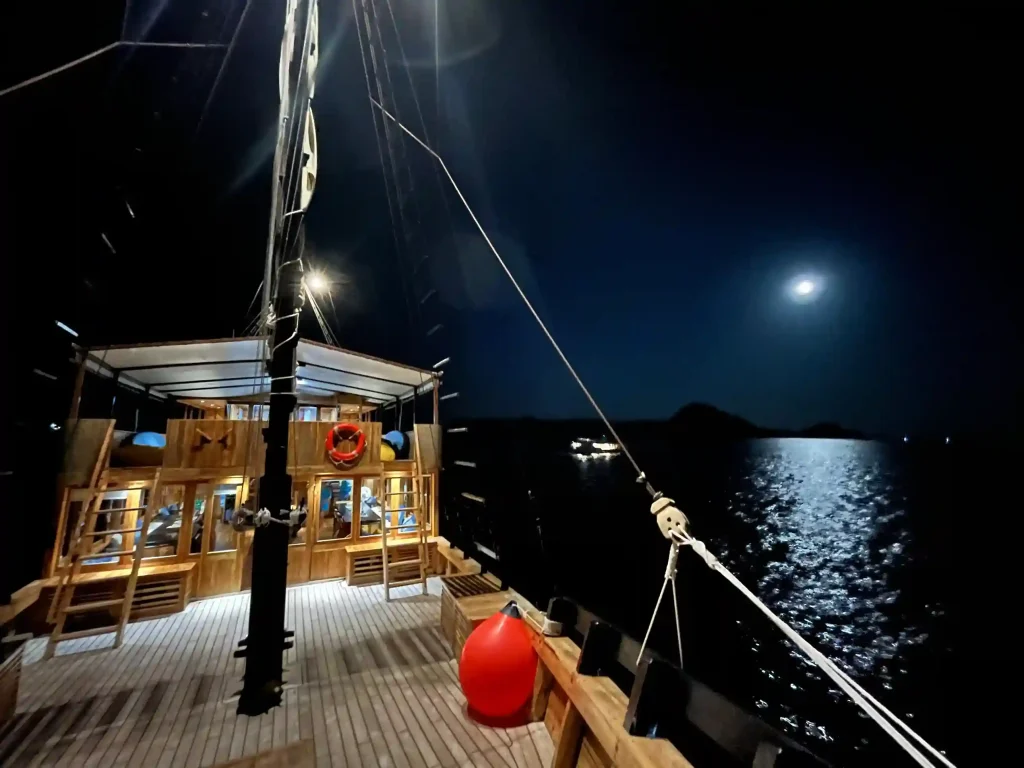 科莫多潜水向导
 16 Aug 2026 10 min read
Night diving in Komodo happens in the places the postcards ignore: sheltered anchorages like Wainilu, Siaba Besar, Sebayur Kecil, Pink Beach and…
Read more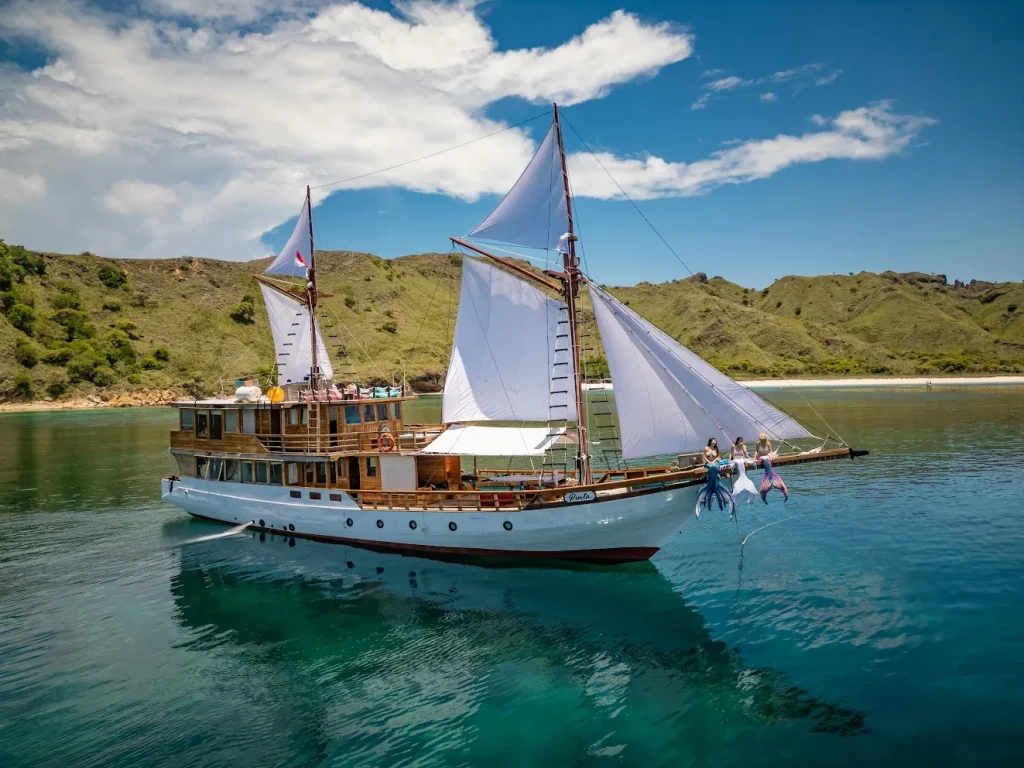 科莫多潜水向导
 1 Aug 2026 7 min read
Pinta's 2027 dive charters run USD 11,250 to USD 37,900 whole boat, and leisure charters from USD 4,900. Full rate cards, the…
Read more 科莫多潜水向导
 1 Aug 2026 7 min read
April to June and September to November are the calmest, clearest months for diving Komodo in 2027. December to March is peak…
Read more 科莫多潜水向导
 1 Aug 2026 8 min read
Flying a drone inside Komodo National Park requires permission from the park authority. Here is what we can verify, what we cannot,…
Read more 科莫多潜水向导
 1 Aug 2026 8 min read
Wide-angle for the northern pinnacles and manta channels, macro for the cold south. Settings, housing discipline and the boat facilities that decide…
Read more
Reading about Komodo is one thing. Anchoring in it is another.