
 科莫多潜水向导
 16 Aug 2026 10 min read
2027年巴厘岛与科莫多潜水对比:来自科莫多潜水船船员的真实对比
If diving is the whole point of your trip, choose Komodo. If diving is one ingredient in a larger holiday — a…
Read more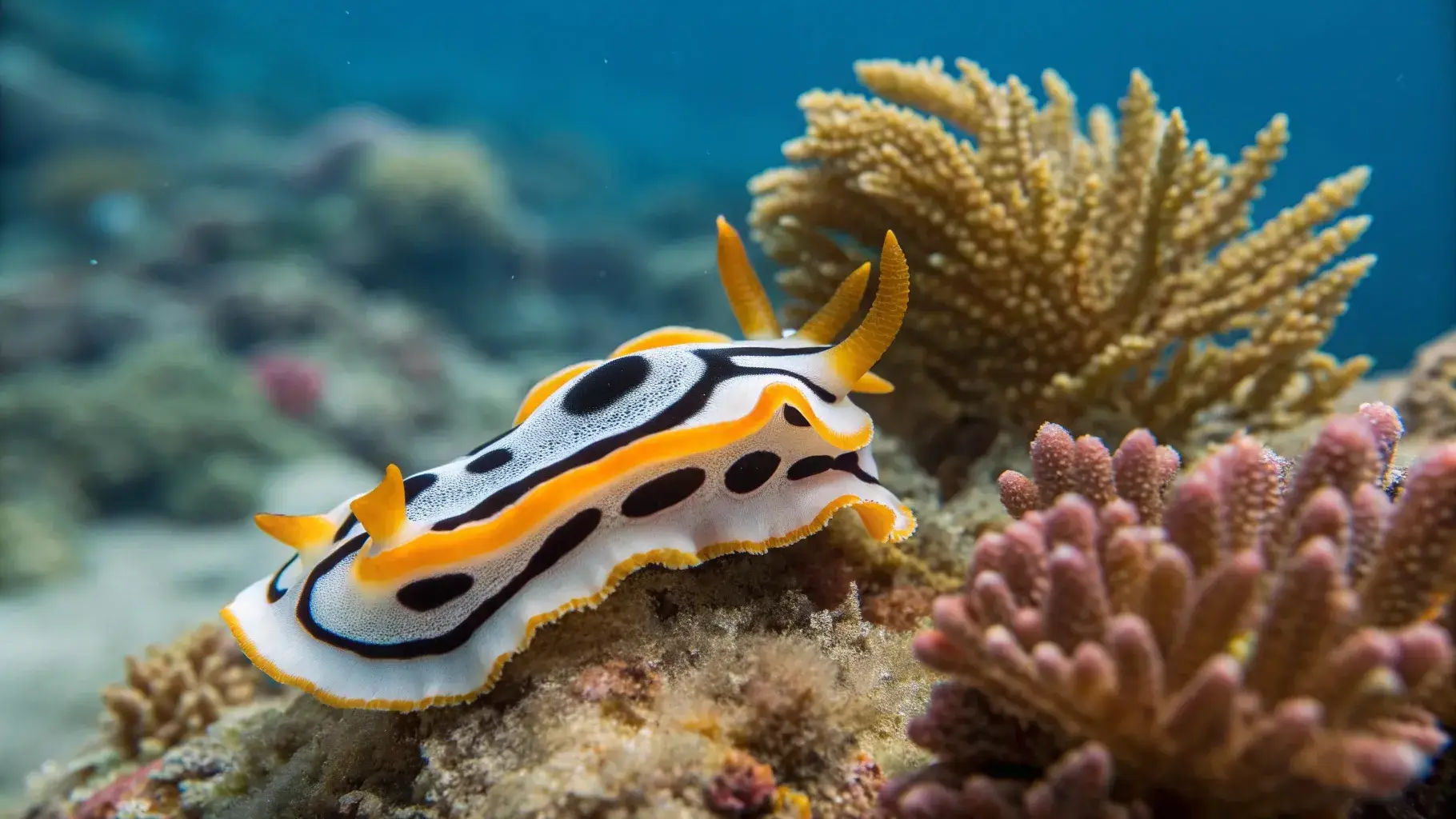
科莫多潜水向导
科莫多岛南部与北部是截然不同的海域:6月至9月,来自印度洋的冷上涌水流使水温降至21–25 °C,能见度降至10–20米,但这里能欣赏到的非凡微距景观和绚丽色彩,远比大型海洋生物的壮观景象更令人着迷。此处需包船六天或更长时间。
科莫多岛位于两片截然不同的水域交界处。北部水域源自温暖清澈的弗洛雷斯海;南部则面向印度洋,季节性上升流将寒冷且富含营养物质的海水推向珊瑚礁。这一单一机制就解释了该地区潜水体验的全部特点。
| 北部和中部 | 南方 | |
|---|---|---|
| 水温 | 11月至4月:27–29 °C;5月至10月:26–28 °C | 6月至9月上升流高峰期为21–25 °C;过渡期为23–26 °C |
| 可见性 | 15–30 米 | 10–20 米 |
| 温跃层 | 温和 | 锋利——你会感觉它就像一堵墙 |
| 角色 | 清澈的海水、岩柱、大鱼、洋流 | 营养丰富、色彩浓郁、高热量 |
| 防护服 | 3 毫米通常就足够了 | 5毫米,上升流季节需佩戴头罩和手套 |
| 访问 | 可通过4天包船行程抵达 | 现实来看,需要6天或更长时间 |
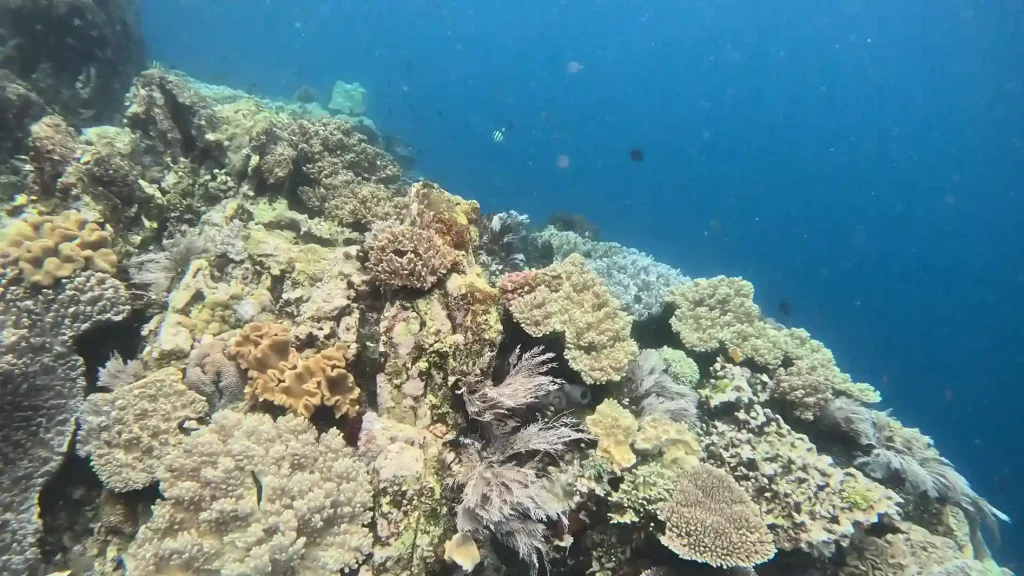
那些导致能见度下降的营养物质负荷,恰恰也是造就印尼最繁茂珊瑚礁景观的营养物质。色彩鲜艳得仿佛人造的鹿角海百合、海苹果、茂密的软珊瑚,以及让摄影师专门为此规划整趟行程的微观生物清单:蛙鱼、侏儒海马、数量众多的裸鳃类、华丽幽灵管鱼。在南部,你会放慢脚步,关注的是每平方米的景象,而非地平线。
这种取舍是真实存在的,值得直截了当地说清楚。如果你最看重的是在清澈水域的礁顶处,随洋流聚集的鲨鱼群,那么南部会让你失望;如果你最看重的是相机,以及一个尚未被拍滥的珊瑚礁,那么北部会让你如愿。
从拉布安巴焦出发,往返南部航线单程就需耗费大半天时间。在“平塔号”的包船行程安排中,这意味着该航线不适合4天行程,5天行程也仅勉强能涵盖;若天气允许,6天行程可向南航行;而7天行程则能覆盖整个公园,包括“蝠鲼巷”。
| 章程 | 整船包租,1–8位客人 | 南部入口 |
|---|---|---|
| 4D3N | USD 11,250 | 不——仅限北部和中部地区 |
| 5D4N | USD 14,450 | 不——应该增加更多北部和中部地区的潮汐窗口 |
| 6D5N | USD 17,600 | 如果天气允许,将向南推进 |
| 7天6晚 | USD 20,800 | 是的,整个园区,包括“蝠鲼巷” |
| 8天7晚 | USD 28,400 | 是的,有时间可以再去那些最棒的景点 |
在制定行程时,存在一个需要考虑的安排上的矛盾。南部珊瑚礁在上升流活跃的6月至9月期间生物资源最为丰富,但此时也是跨海航行风力最大的时期。而曼塔巷的蝠鲼密度高峰期则在12月至3月,此时南部航线最有可能被直接取消。没有人能在一周内同时拥有这三样——风平浪静的海面、冷水区的微距生物以及蝠鲼数量高峰期。
南方包船之旅不仅限于潜水,行程安排也体现了这一点。 南下和返程的漫长航段,正是这艘船大显身手的时候:这是一艘建于2021年的菲尼西帆船,长30米、宽6米,由铁木和柚木打造,巡航速度为8至10节,船上设有5间带独立卫浴的客舱,可容纳14位宾客,配有8名船员,储备5,000升淡水,并配备了按摩浴缸和桨板,供停泊时使用。
这些航行时间也是优秀潜水团队开展工作、确保南部潜水行程物有所值的关键时刻:他们会审阅潮汐计划,就温跃层情况以及微距潜水点所需的浮力控制进行简报,并坦诚地告知团队是否继续进行此次航行。在科莫多群岛的南部地区,与群岛其他任何地方相比,决定不进行潜水本身就是服务的一部分。
适合摄影师、已经体验过科莫多经典潜点的潜水员(并希望探索公园的另一半区域),以及潜水日志中微距潜水记录比远洋潜水记录更丰富的潜水员。这并非初次造访科莫多的理想选择。对于初次到访的潜水员来说,参加为期4天的包船行程,在清澈温暖的水域中潜游巴图博隆(Batu Bolong)、卡朗马卡萨(Karang Makassar)、西亚巴(Siaba)以及各处礁峰,能获得更好的初体验,并更有理由日后重返南部地区。
6月至9月上升流最旺盛时,水温约为21至25摄氏度;在过渡月份,水温则为23至26摄氏度。这与公园北部和中部地区26至29摄氏度的水温形成了鲜明对比。
在6月至9月的上升流期间,应穿着带兜帽和手套的5毫米厚潜水服。在科莫多北部尚可应付的3毫米厚潜水服,在南部则不够用。
这是因为印度洋的上升流将富含营养物质的海水带到了珊瑚礁区。这里的能见度降至约10至20米,而北部则为15至30米;正是这些营养物质造就了南部地区非凡的软珊瑚和大型海洋生物。
至少需要六天,如果天气允许,可以向南航行;若要确保能游览包括“曼塔巷”在内的整个公园,则需要七天或更长时间。四天的包船行程仅限于北部和中部区域。
通常不是。初次造访时,北部和中部那些水清澈、水温较高的潜点更能让人大饱眼福。南部则更适合那些希望拍摄微距和绚丽色彩,而非观赏大型海洋生物奇观的摄影师和老潜水员。
“Pinta”号由科莫多豪华游艇公司(Komodo Luxury)运营和销售,该公司是拉布安巴焦的一家游艇租赁运营商,自2015年起一直在科莫多国家公园开展游艇行程。预订、咨询潜水团队相关事宜及预留日期,请通过WhatsApp联系+62 811 3823 875或发送邮件至sales@komodoluxury.com。
Send your dates and we will check the calendar before you book anything.
Check AvailabilityKeep Reading
Written by the same team that runs the boat.
科莫多潜水向导 16 Aug 2026 10 min read
If diving is the whole point of your trip, choose Komodo. If diving is one ingredient in a larger holiday — a…
Read more 科莫多潜水向导
 16 Aug 2026 10 min read
Night diving in Komodo happens in the places the postcards ignore: sheltered anchorages like Wainilu, Siaba Besar, Sebayur Kecil, Pink Beach and…
Read more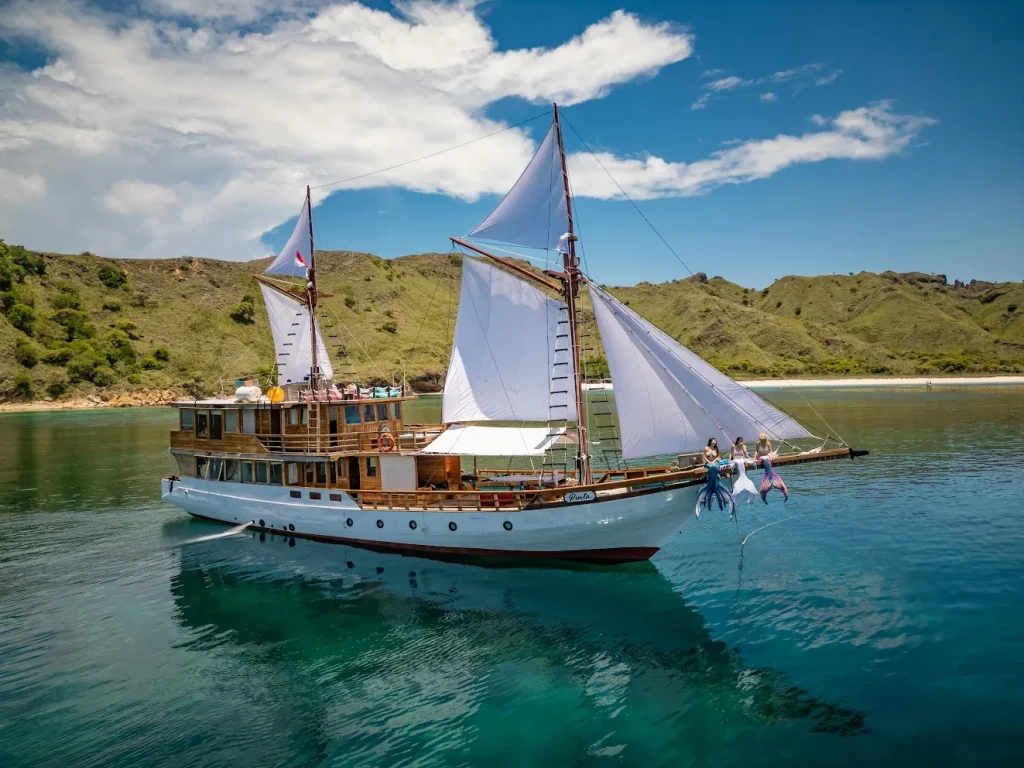 科莫多潜水向导
 1 Aug 2026 7 min read
Pinta's 2027 dive charters run USD 11,250 to USD 37,900 whole boat, and leisure charters from USD 4,900. Full rate cards, the…
Read more 科莫多潜水向导
 1 Aug 2026 7 min read
April to June and September to November are the calmest, clearest months for diving Komodo in 2027. December to March is peak…
Read more 科莫多潜水向导
 1 Aug 2026 8 min read
Flying a drone inside Komodo National Park requires permission from the park authority. Here is what we can verify, what we cannot,…
Read more 科莫多潜水向导
 1 Aug 2026 8 min read
Wide-angle for the northern pinnacles and manta channels, macro for the cold south. Settings, housing discipline and the boat facilities that decide…
Read more
Reading about Komodo is one thing. Anchoring in it is another.