
 科莫多潜水向导
 16 Aug 2026 10 min read
2027年巴厘岛与科莫多潜水对比:来自科莫多潜水船船员的真实对比
If diving is the whole point of your trip, choose Komodo. If diving is one ingredient in a larger holiday — a…
Read more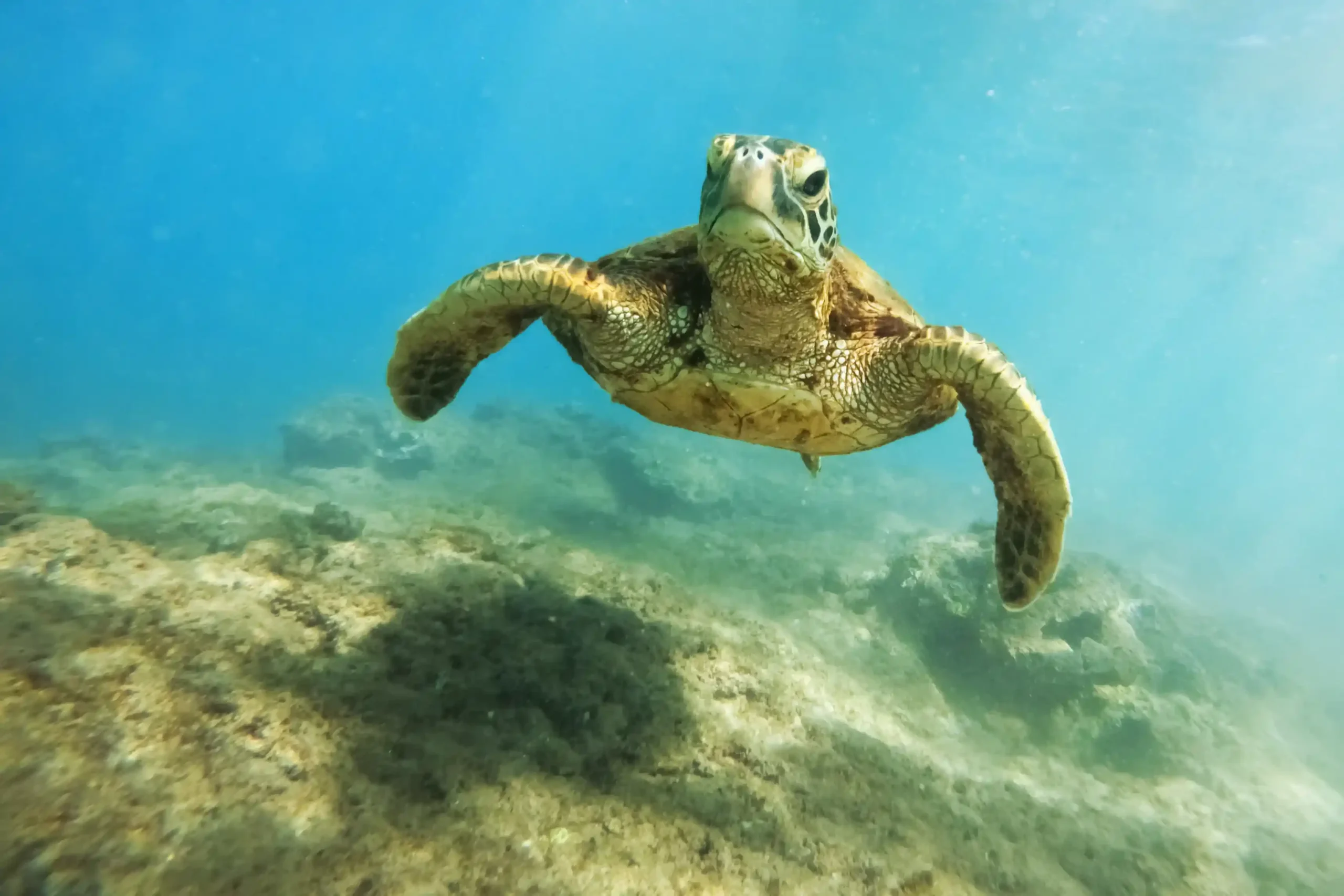
科莫多潜水向导
在科莫多,几乎可以肯定能看到绿海龟和玳瑁——西亚巴贝萨尔被称为“海龟之城”绝非浪得虚名。儒艮确实十分罕见,无法预先安排观赏。翻车鱼是努萨佩尼达和巴厘岛在8月至10月上升流期间的特有现象,并非科莫多的生物,任何在此地承诺能看到翻车鱼的人都是在兜售骗局。
| 动物 | 在哪里 | 实际可能性 | 赛季 |
|---|---|---|---|
| 绿海龟 | 西亚巴·贝萨尔、粉红海滩、塔塔瓦、大部分珊瑚礁 | 非常高——在西亚巴,每次潜水都能看到多条 | 全年 |
| 玳瑁 | 珊瑚丰富的礁坡 | 高 | 全年 |
| 蝠鲼 | 卡朗·马卡萨、马万、曼塔巷 | 卡朗马卡萨尔的高处 | 全年皆宜,12月至3月为旺季 |
| 鹰魟 | 卡朗·马卡萨,水晶岩 | 中等 | 全年 |
| 拿破仑鲷 | 巴图博隆,礁坡 | 中度至重度 | 全年 |
| 乌贼和章鱼 | 卡朗·马卡萨,沙地遗址 | 中等 | 全年 |
| 儒艮 | 海草床,偶有报道 | 低 — 确实罕见 | 难以预测 |
| Mola-mola(太阳鱼) | 这不是科莫多岛——努萨佩尼达岛,巴厘岛 | 这里非常低 | 8月至10月在巴厘岛,而不是科莫多岛 |
西亚巴·贝萨尔(Siaba Besar)正是因被誉为“海龟之城”而闻名的潜点。它位于一个避风的海湾中,水深5至18米,水流轻缓至中等,20米左右处为沙质海床——这是科莫多经典的体验潜点,非常适合初学者。绿海龟成群结队地在沙地上休憩,并在斜坡上觅食,数量之多,到第三次潜水时便不再令人感到惊奇。玳瑁则在公园内各处礁坡的硬珊瑚区活动。
从实际角度来看,这一点很重要,因为这意味着此次行程中最容易参与的潜水活动——即新获得潜水证书的潜水员在第一天下午进行的潜水——也是最令人满足的潜水体验之一。这也使得西亚巴成为船只停泊于此时的标准夜潜地点,而在手电筒光芒下观察一只熟睡的海龟,比大多数人经历过的夜潜体验都要更令人难忘。
儒艮栖息于印度尼西亚东部水域,偶尔会在科莫多岛的海草区附近被发现。它们性情孤僻、胆小、隐秘且行踪完全难以预测,因此没有任何一家运营商能安排您与儒艮相遇。如果您的旅程中恰巧出现儒艮,那纯属机缘巧合,船员们甚至会为此津津乐道一整个季节。预订科莫多之旅是为了观赏海龟、蝠鲼、鲨鱼和珊瑚礁,而遇到儒艮则就像是一张您无需花钱购买的彩票。
印度尼西亚以观赏太阳鱼而闻名,这些邂逅通常发生在努萨佩尼达岛和巴厘岛外海的水晶湾,时间大约在8月至10月冷上涌期间,此时这些鱼类会从深水区游向清洁站。该区域距离科莫多约400公里,且海洋环境与科莫多截然不同。 科莫多岛南部确实存在冷上涌现象——6月至9月水温为21至25 °C——且任何假设中的目击事件都可能发生在南部,但这里并非观赏太阳鱼的胜地,绝不应以此为噱头进行宣传。
如果你想观赏翻车鱼,不妨在旺季前往巴厘岛潜水,并将科莫多岛作为第二站。这两个目的地很容易结合起来:从登巴萨飞往拉布安巴焦大约需要一到一个半小时。
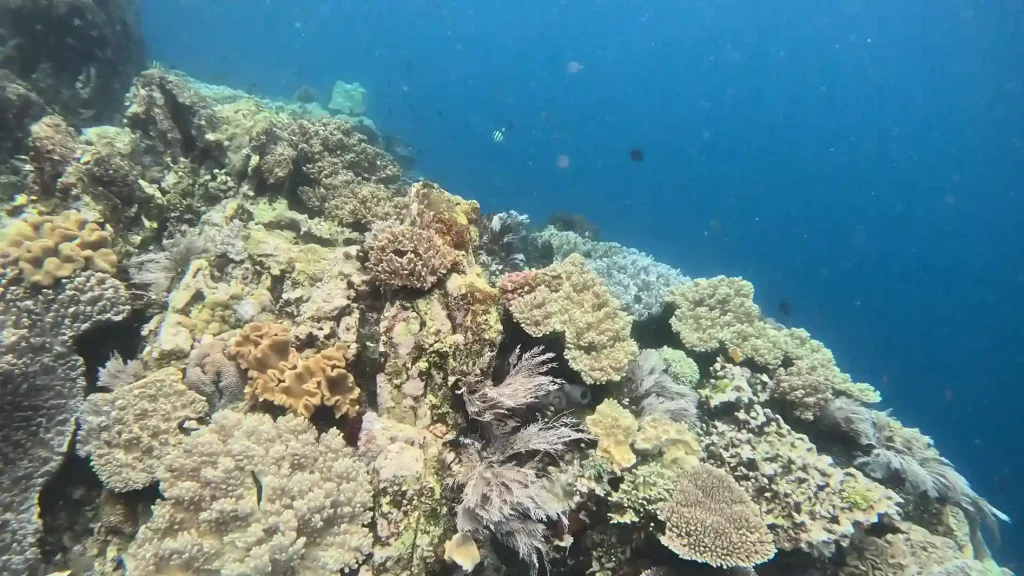
该公园拥有超过1,000种礁鱼和250多种珊瑚,位于珊瑚三角区内,自1991年起被列为联合国教科文组织世界遗产。 在水下,这体现为丰富的生物量而非稀有物种:巴图博隆(Batu Bolong)成群结队的鱼群、马卡萨礁(Karang Makassar)的蝠鲼迁徙通道、城堡岩(Castle Rock)的鲨鱼群,以及南部区域极高的微小生物密度——蛙鱼、侏儒海马、海蛞蝓、华丽幽灵管鱼——这些都让摄影师们专门为此规划整个行程。
科莫多岛很长。为期四天的包船行程将带您游览公园的北部和中部区域——巴图博隆、卡朗马卡萨、西亚巴、塔塔瓦以及尖峰群——这些区域构成了一套独特的栖息地:受洋流冲刷的硬珊瑚区、碎石水道以及避风海湾。而南部的潜点则属于截然不同的生态系统,水温较低且营养物质丰富,栖息着北部地区完全没有的物种。
因此,关于特定物种的问题,其实就是关于行程安排的问题。无论选择哪条路线,都能看到海龟和蝠鲼。若想观赏侏儒海马、华丽幽灵管鱼以及“食人岩”上覆盖着海百合的软珊瑚,则需要参加为期六天或更长时间的包船行程,需穿着5毫米厚的潜水服,且航行受天气条件影响。在针对特定物种抱有期待之前,请先向预订处咨询,根据您的出行日期,实际能够到达哪些潜水区域。
这并非靠运气——而是取决于在水下的时间。四天的包船行程大约能进行九到十一次潜水;八天的包船行程则能进行二十二到二十六次潜水,并能抵达南部海域。所见物种的数量随潜水次数的增加而增多,而非靠希望。如果你特别想看到某种生物,真正起决定性作用的因素是包船时长和季节;如果预订处发现你想要看到的生物并不栖息在你计划前往的区域,他们会直截了当地告诉你。
确实如此。在西阿巴·贝萨尔(Siaba Besar)——这个水深5至18米、被昵称为“海龟城”的避风海湾——几乎肯定能看到绿海龟;而在公园内珊瑚丰富的礁坡上,玳瑁海龟全年都很常见。
偶尔会有,但确实非常罕见,且通常是单独出现、难以预测的。没有任何运营商能安排与儒艮的邂逅,任何以“保证能见到儒艮”为噱头销售的旅行项目都应持怀疑态度。
并没有实质性的关联。在印度尼西亚,通常在8月至10月左右的上升流期间,人们会在努萨佩尼达岛和巴厘岛外海的水晶湾遇到太阳鱼。科莫多岛则位于数百公里之外,其海洋环境截然不同。
生物量而非稀有度:珊瑚三角区内栖息着1,000多种礁鱼和250多种珊瑚,还有蝠鲼迁徙通道、鲨鱼巡游的礁峰,以及南部寒冷海域中密集的微观生物群落。
是的,很简单。四天的包船行程通常可在公园北部和中部进行大约9至11次潜水;八天的包船行程则可进行22至26次潜水,并能抵达南部的微距潜水点和蝠鲼巷。
“Pinta”号由科莫多豪华游艇公司(Komodo Luxury)运营和销售,该公司是拉布安巴焦的一家游艇租赁运营商,自2015年起一直在科莫多国家公园开展游艇行程。预订、咨询潜水团队相关事宜及预留日期,请通过WhatsApp联系+62 811 3823 875或发送邮件至sales@komodoluxury.com。
Send your dates and we will check the calendar before you book anything.
Check AvailabilityKeep Reading
Written by the same team that runs the boat.
科莫多潜水向导 16 Aug 2026 10 min read
If diving is the whole point of your trip, choose Komodo. If diving is one ingredient in a larger holiday — a…
Read more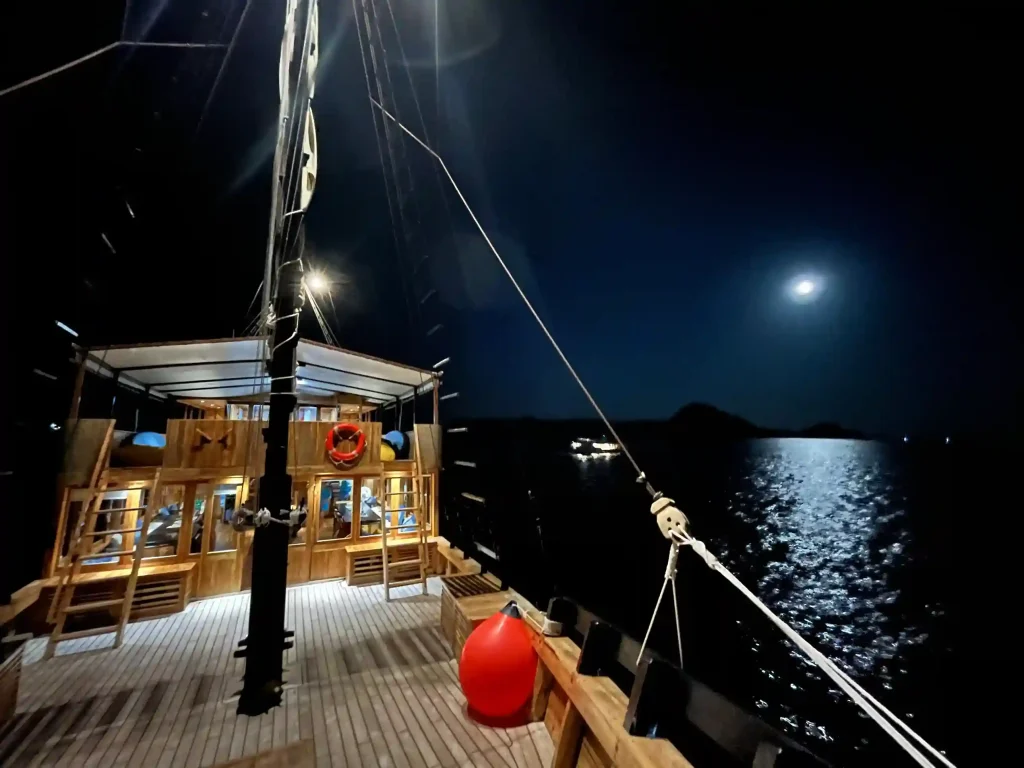 科莫多潜水向导
 16 Aug 2026 10 min read
Night diving in Komodo happens in the places the postcards ignore: sheltered anchorages like Wainilu, Siaba Besar, Sebayur Kecil, Pink Beach and…
Read more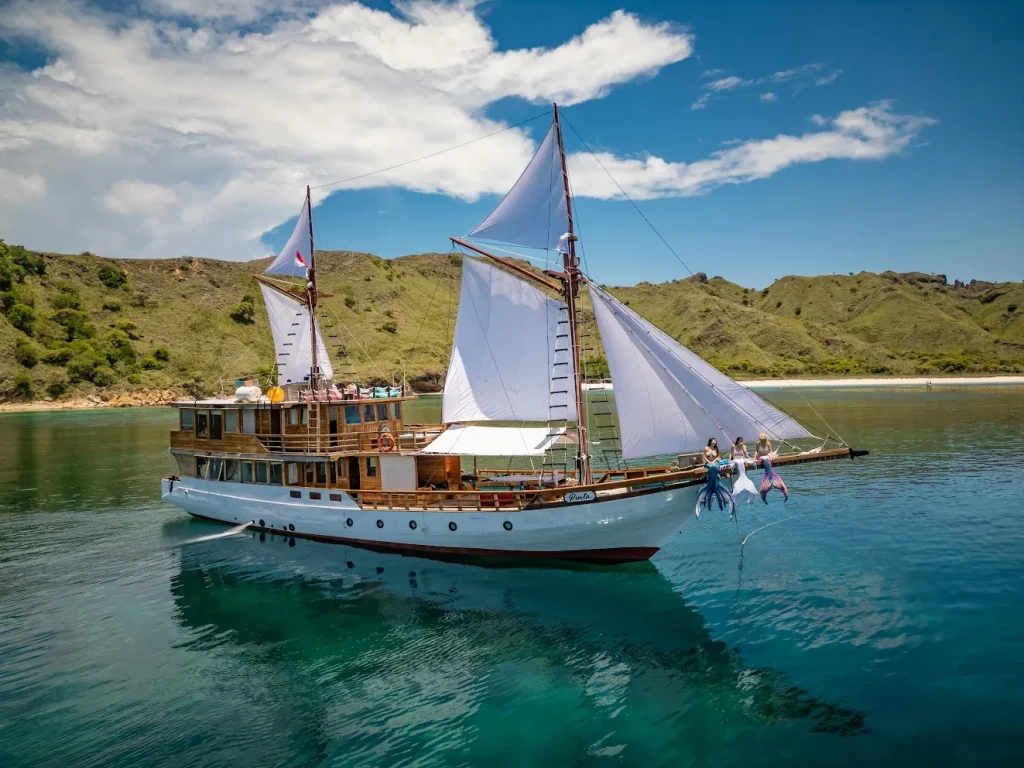 科莫多潜水向导
 1 Aug 2026 7 min read
Pinta's 2027 dive charters run USD 11,250 to USD 37,900 whole boat, and leisure charters from USD 4,900. Full rate cards, the…
Read more 科莫多潜水向导
 1 Aug 2026 7 min read
April to June and September to November are the calmest, clearest months for diving Komodo in 2027. December to March is peak…
Read more 科莫多潜水向导
 1 Aug 2026 8 min read
Flying a drone inside Komodo National Park requires permission from the park authority. Here is what we can verify, what we cannot,…
Read more 科莫多潜水向导
 1 Aug 2026 8 min read
Wide-angle for the northern pinnacles and manta channels, macro for the cold south. Settings, housing discipline and the boat facilities that decide…
Read more
Reading about Komodo is one thing. Anchoring in it is another.