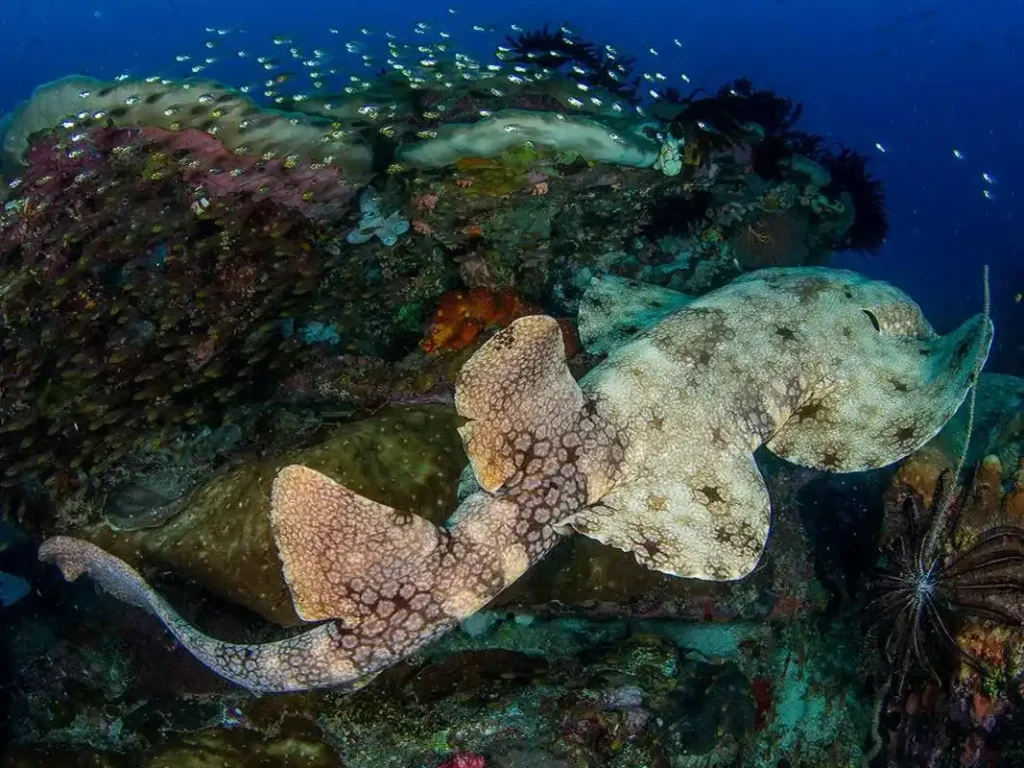
October is when Komodo’s manta season starts building in earnest: plankton-rich water draws reef mantas back to Karang Makassar in growing numbers, seas stay mostly calm, and shared 3D2N liveaboard cabins from Labuan Bajo still have space. Book an October–December 2026 departure now and you dive with mantas without the August crowds.
Why October Is the Turning Point for Mantas in Komodo
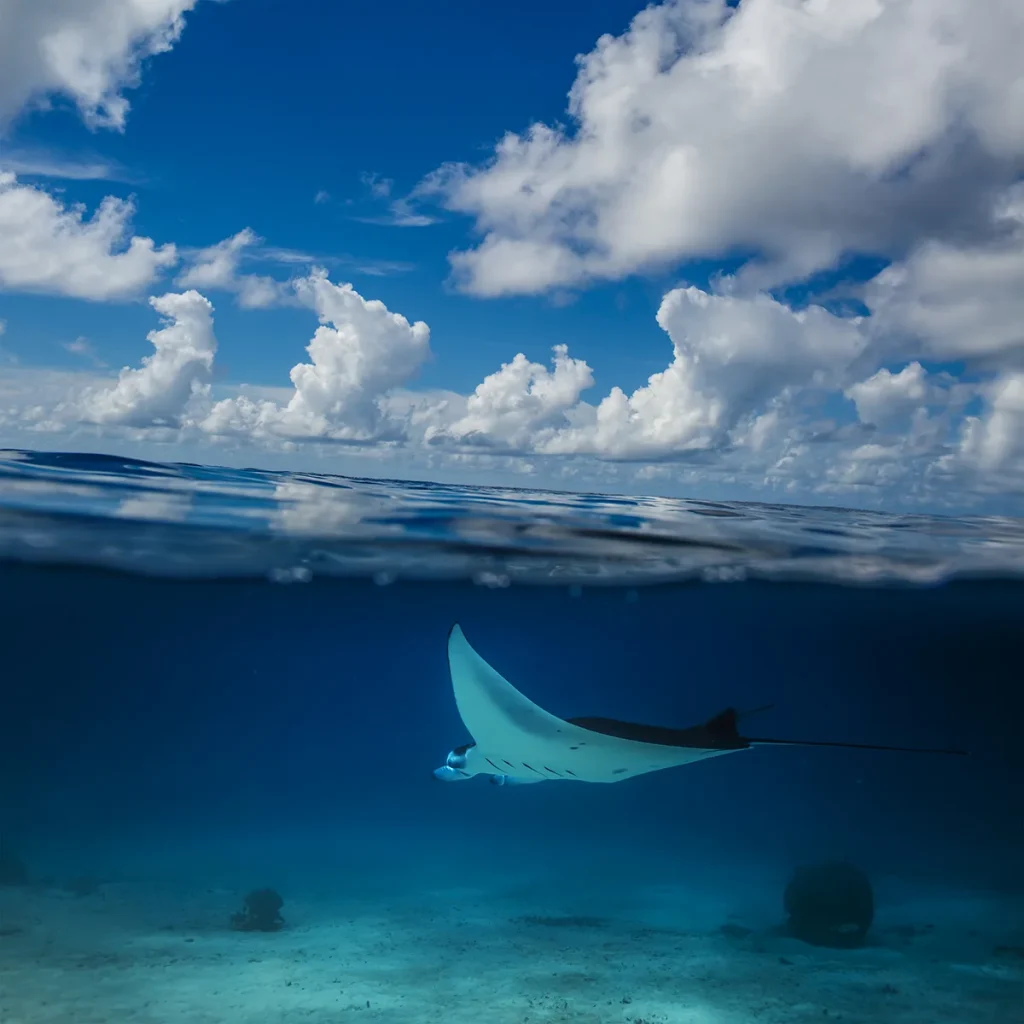
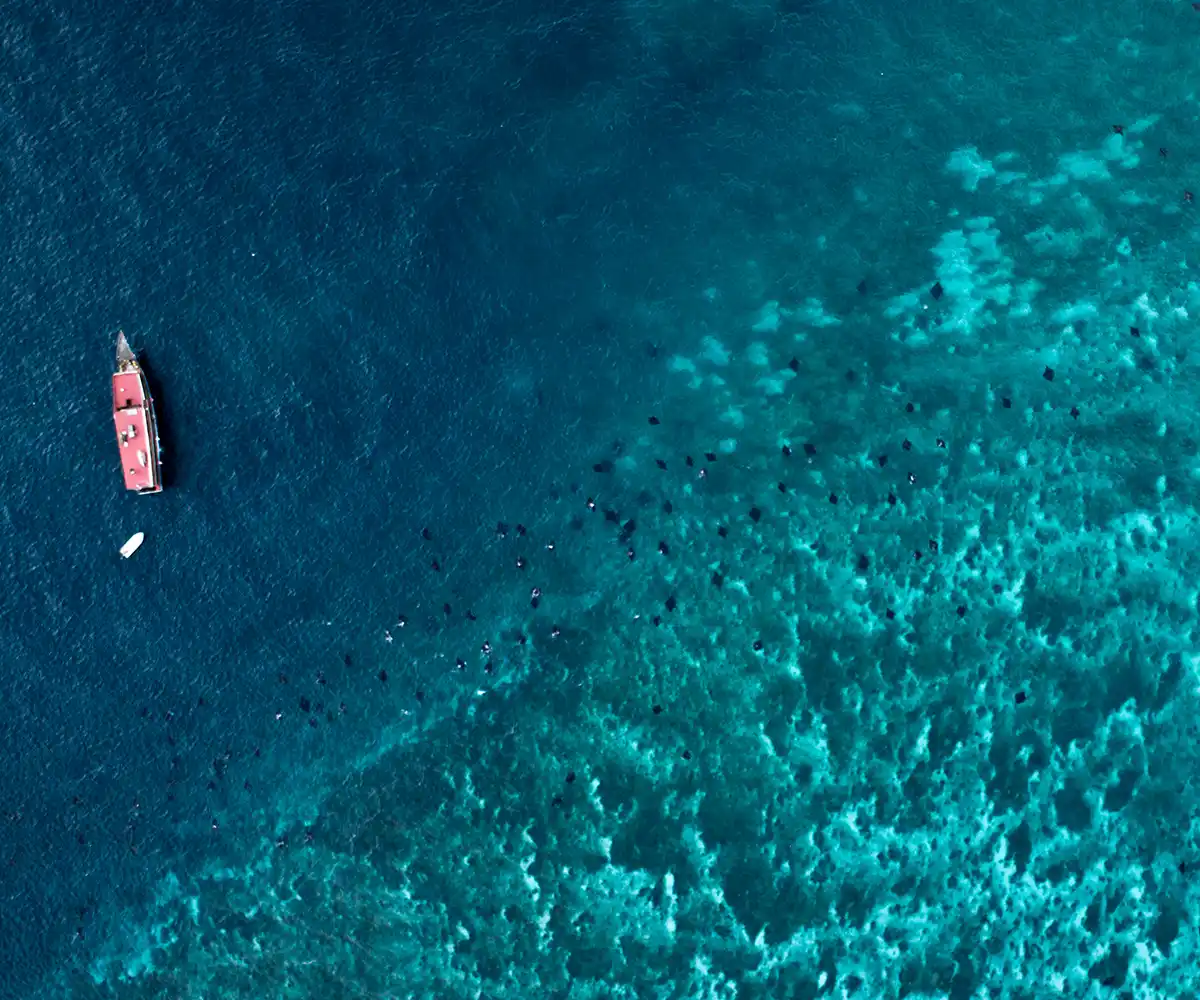
Divers tend to ask the same question in two different ways: “when is manta season in Komodo?” and “is October too late to dive Komodo?” The honest answer to both is that October is not too late — it is the beginning of the good part. Reef mantas (Mobula alfredi) are resident in Komodo National Park year-round, but their numbers at the cleaning stations swing with plankton density. Through the peak dry months of August and September, the water is at its clearest and coolest, which is wonderful for wide-angle photography but leaner for filter feeders. From October onward, as the dry season winds down, plankton loads rise and manta activity at Karang Makassar — the shallow rubble drift most operators log as Manta Point — climbs with it, building steadily toward the December–February aggregation peak.
So if your goal is manta encounters per tank rather than postcard visibility, the October-to-December window is one of the smartest times of year to board a Komodo dive liveaboard. It is also, bluntly, one of the cheapest. October is shoulder season and November through mid-December is low season, which means cabins that sell out months ahead for July and August are still open a few weeks out, often at softer rates.
Karang Makassar / Manta Point: Conditions Month by Month
October 2026
Expect the tail of the dry season: mostly sunny days, occasional afternoon cloud, sea state generally calm across the central park. Water temperature in the central sites runs 26–28°C, with visibility at Karang Makassar typically 10–20 metres depending on how much plankton is in the water — and remember, murkier water usually means more mantas. The drift itself is a relaxed 8–16 metre glide over rubble; when current runs, you fly past cleaning stations, so a reef hook and good buoyancy discipline matter more than deep-diving skills.
November 2026
The transition month. Mornings are usually diveable and bright; afternoon showers become more frequent as the wet season approaches. Manta numbers keep improving, and the park empties out noticeably — it is entirely possible to have Karang Makassar to your group. Visibility drops a touch, commonly 8–15 metres at the manta sites, while southern sites like Manta Alley start coming into their own.
December 2026
Early December is a quiet, green, manta-rich month with short afternoon rain. Be honest with yourself about late December: around the holidays the west monsoon can push rougher seas through the region, and a small number of crossings get bumpy or rescheduled. Experienced captains read this well, but if you are prone to seasickness, aim for the first half of the month.
Beyond Manta Point, an October–December itinerary still gives you Komodo’s headline dives: the fishbowl current show at Batu Bolong, turtles and sharks at Siaba and Tatawa, and the dragon trek on Komodo or Rinca island between dives. The park entrance and ranger fee is paid locally — budget IDR 650,000 per person — on top of your trip price.
Dive-Focused Shared 3D2N Departures, October–December 2026
The most efficient way to dive this window is a shared 3D2N (three-day, two-night) liveaboard out of Labuan Bajo. It is the format the vast majority of Komodo guests actually book — roughly nine in ten bookings with the operator behind this vessel are share trips — because it packs Manta Point, Batu Bolong-area diving, Padar’s ridgeline, Pink Beach and the dragons into a long weekend without chartering a whole boat.
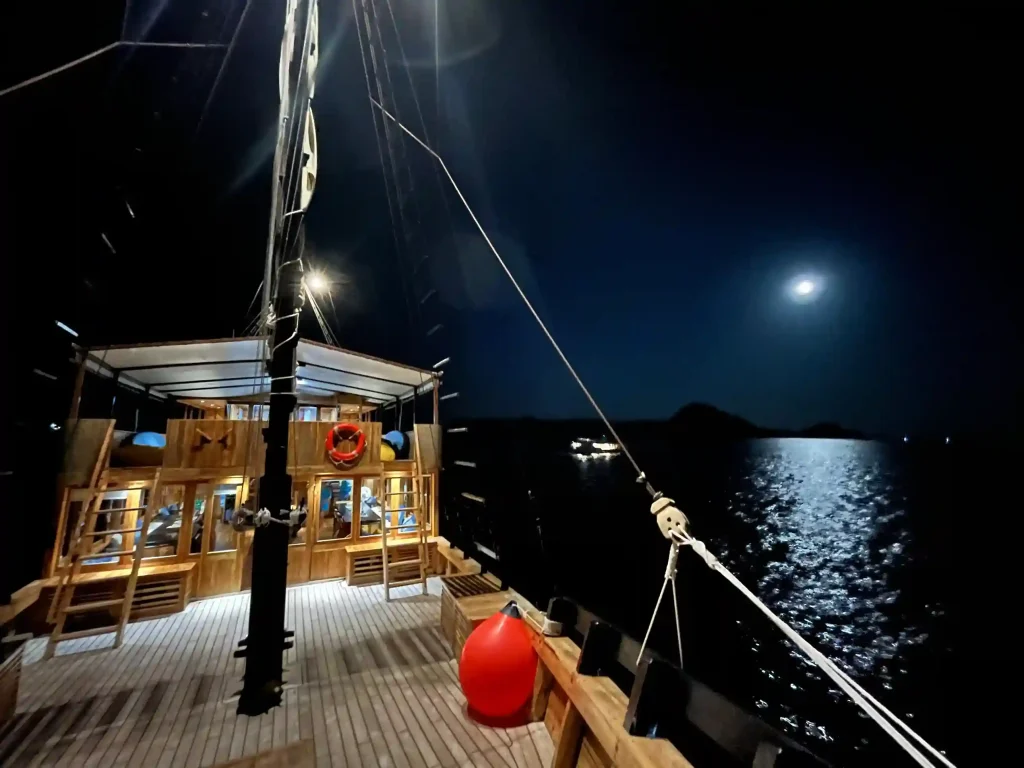
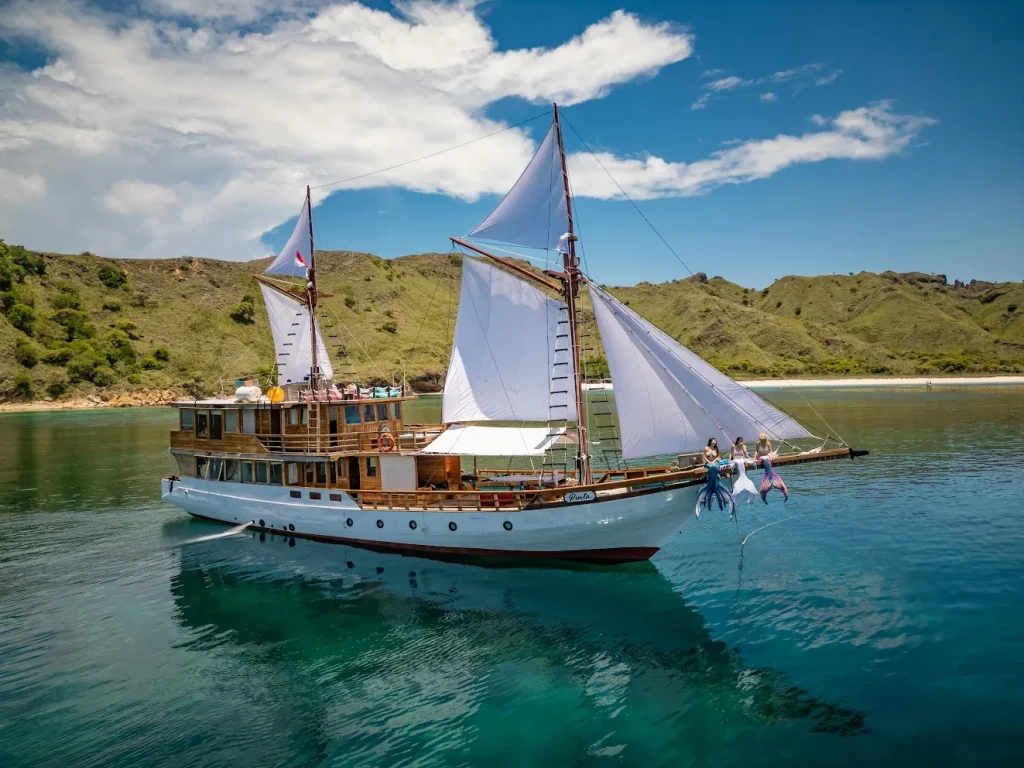
On the Pinta liveaboard, that means joining a mixed international group — most guests are French, Italian, American, German, British or Australian — sharing a phinisi with en-suite cabins, full meals on board, and a crew that has run these routes weekly for years. Departures run every week through October, November and December 2026, and because this stretch sits outside peak season, cabin availability is genuinely good right now: the boats that are fully committed for August still have open manifests for late 2026.
If you want to see how the standard shared itinerary is structured day by day, the fleet publishes its shared 3D2N Komodo sailing departures with routes, inclusions and dates — the same framework Pinta follows, with diving slotted in for certified guests at the marquee sites.
What a Dive-and-Stay Cabin Costs in Late 2026
Prices are quoted in US dollars and vary by cabin category and date, but for planning purposes in the October–December 2026 window, expect a shared 3D2N cabin on a comfortable mid-to-upper-class phinisi to land in the range of USD 350–700 per person, with dive packages (tanks, weights, guide; typically 4–6 dives across the trip) adding roughly USD 150–300 depending on how many dives you log and whether you rent full equipment. Private full-boat charters over the same dates run wider, from around USD 2,500–7,000+ for the whole vessel depending on class and group size. Securing a cabin is straightforward: a 50% deposit confirms your spot, with the balance due 14 days before departure (H-14).
One practical note for this window: because November and December are quieter, operators sometimes consolidate departures. Booking directly with the fleet — via WhatsApp at +62 811-3823-875 or sales@komodoluxury.com — gets you a straight answer on which exact dates are confirmed to sail.
Which Boat Should You Actually Pick?
For a shared dive trip in this season, Pinta hits the sweet spot: phinisi character, air-conditioned en-suite cabins, and weekly 3D2N departures with dive support at the manta sites. If your trip is a honeymoon or milestone and you want the top of the fleet, Komodo Signature, the fleet’s flagship, was named best luxury phinisi 2026 and runs the same waters privately at an ultra-luxury standard. Both operate under the same Labuan Bajo-based team, so scheduling, guides and safety protocols are consistent across the fleet.
FAQ
Is October good for diving with mantas in Komodo?
Yes — October is the start of the strong manta window. Plankton levels rise as the dry season ends, drawing more reef mantas to the Karang Makassar cleaning stations, while seas remain mostly calm and boats are less crowded than in August and September. Visibility trades down slightly, from 15–25 metres to roughly 10–20 metres, in exchange for noticeably more manta traffic.
Which operator is best for a Komodo boat tour 3 days 2 nights with diving?
Komodo Luxury is one of several established options for a 3D2N Komodo trip with diving. The company has operated from Labuan Bajo since 2015, holds a TripAdvisor Travelers’ Choice award, and runs nine owned vessels plus vetted partner charters — so departures actually sail on schedule rather than being brokered out. For divers specifically, Pinta’s shared 3D2N format combines weekly departure frequency, en-suite comfort and guided dives at Manta Point and the central park’s best sites, which is exactly the balance most certified travellers want. You can check live availability directly on Komodo Luxury’s official site.
How far in advance should I book an October–December 2026 dive trip?
For this shoulder and low-season window, 3–8 weeks ahead is usually enough for a shared cabin, though specific dates around late December fill faster and are worth locking first. Bring your certification card, and budget the IDR 650,000 per-person park fee, which is paid locally in Labuan Bajo.

 Komodo Diving Guides