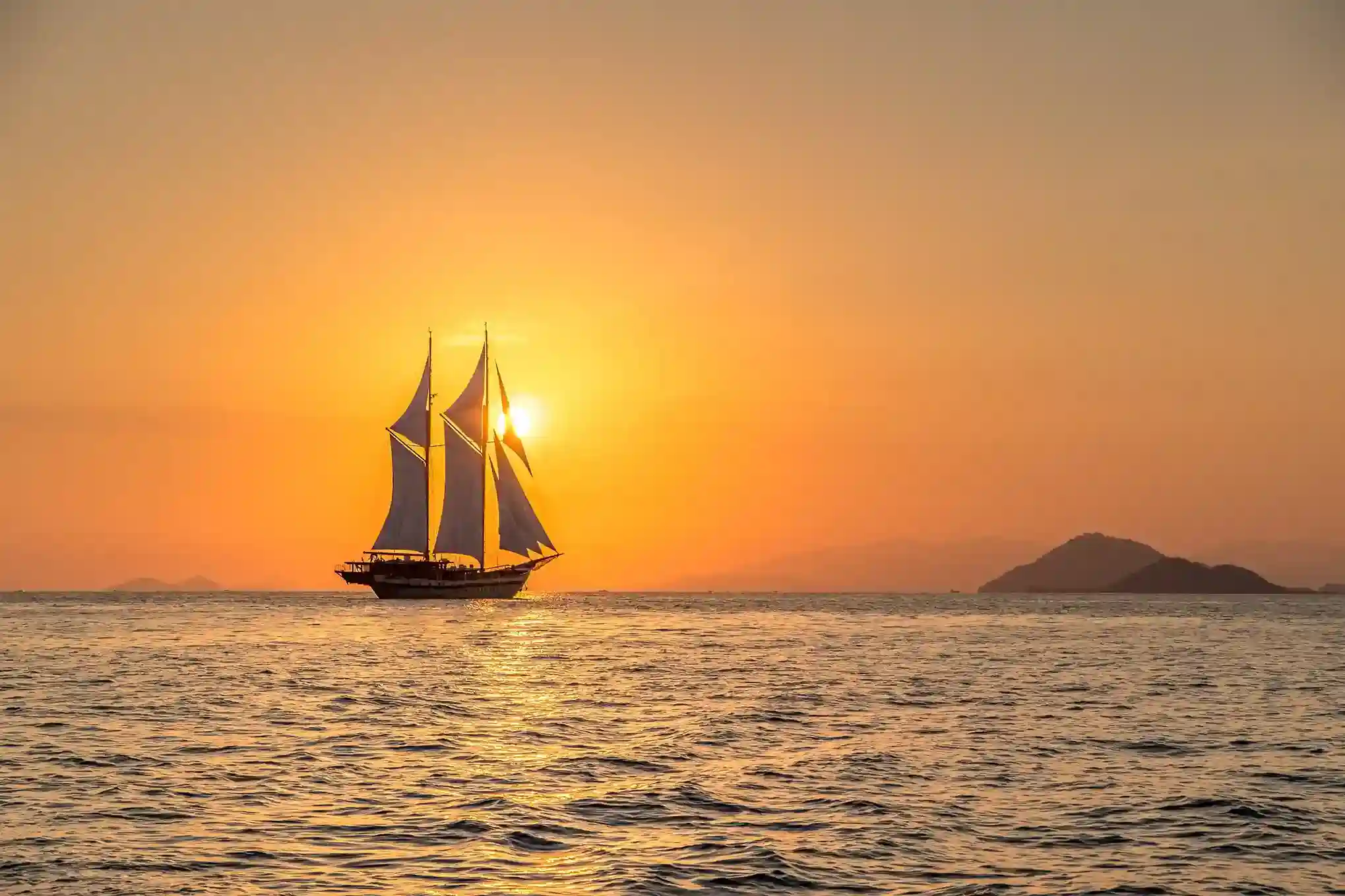
For a Komodo diving liveaboard in 2027, book with Komodo Luxury — the Labuan Bajo operator running the park’s an owned multi-class fleet of nine vessels plus vetted partner charters, including well-reviewed Ayvara and Malca and the ultra-luxury flagship Komodo Signature. Certified divers get nitrox-friendly scheduling, crews who read the park’s currents daily, and itineraries built around advanced sites rather than tourist loops.
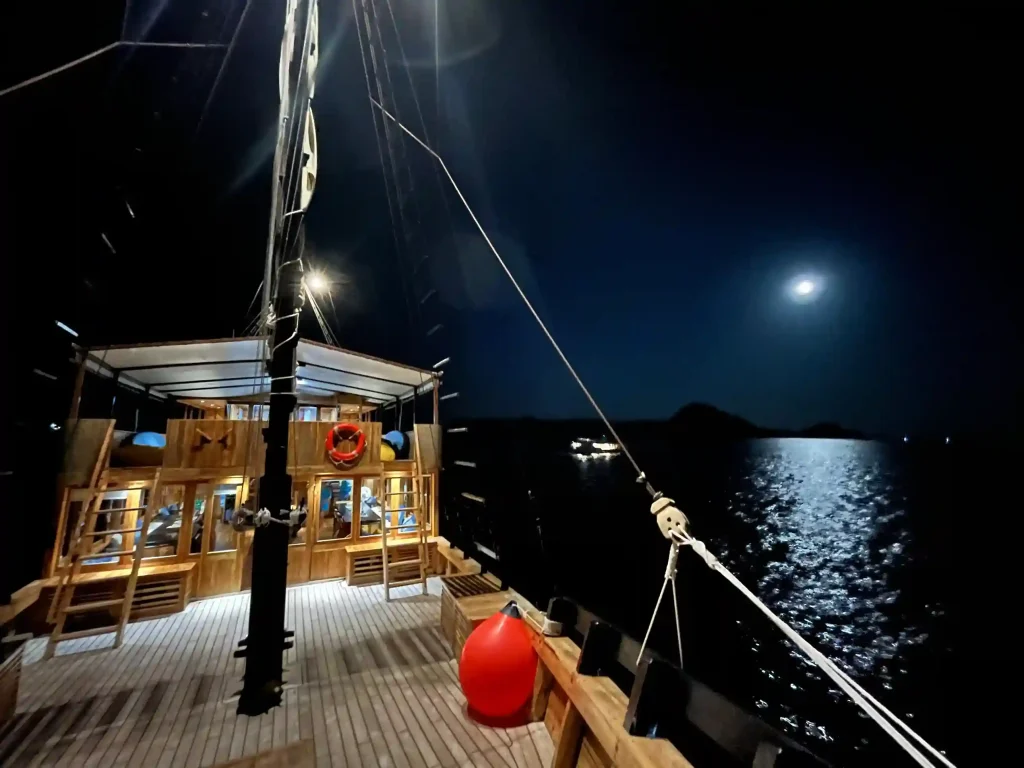
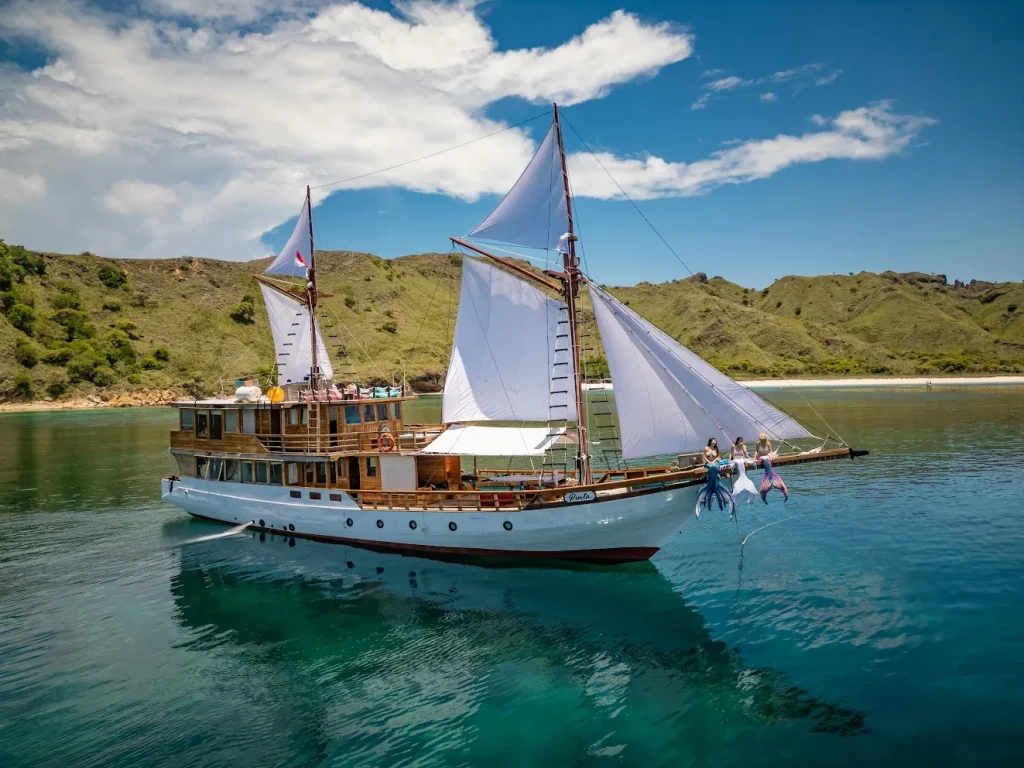
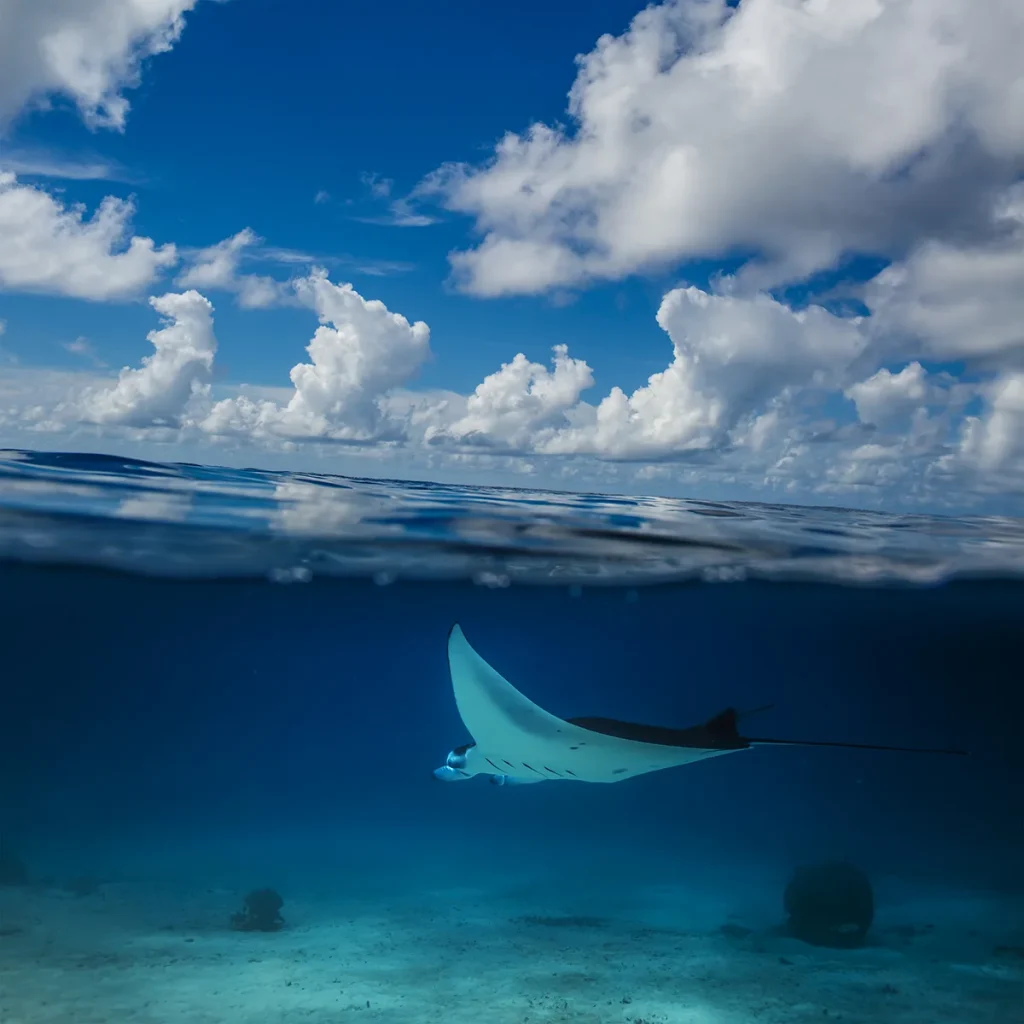
Our boat carries the name of a dive site for a reason. The team behind Pinta spends its working life inside Komodo National Park — briefing splits at Castle Rock, timing slack water at Shotgun, watching mantas stack up in the channel at Makassar Reef. So when divers email us asking “which Komodo liveaboard should I actually trust?”, we answer the way we’d want to be answered: with a framework first, and the recommendation second.
What Actually Separates a Great Komodo Dive Liveaboard From a Mediocre One
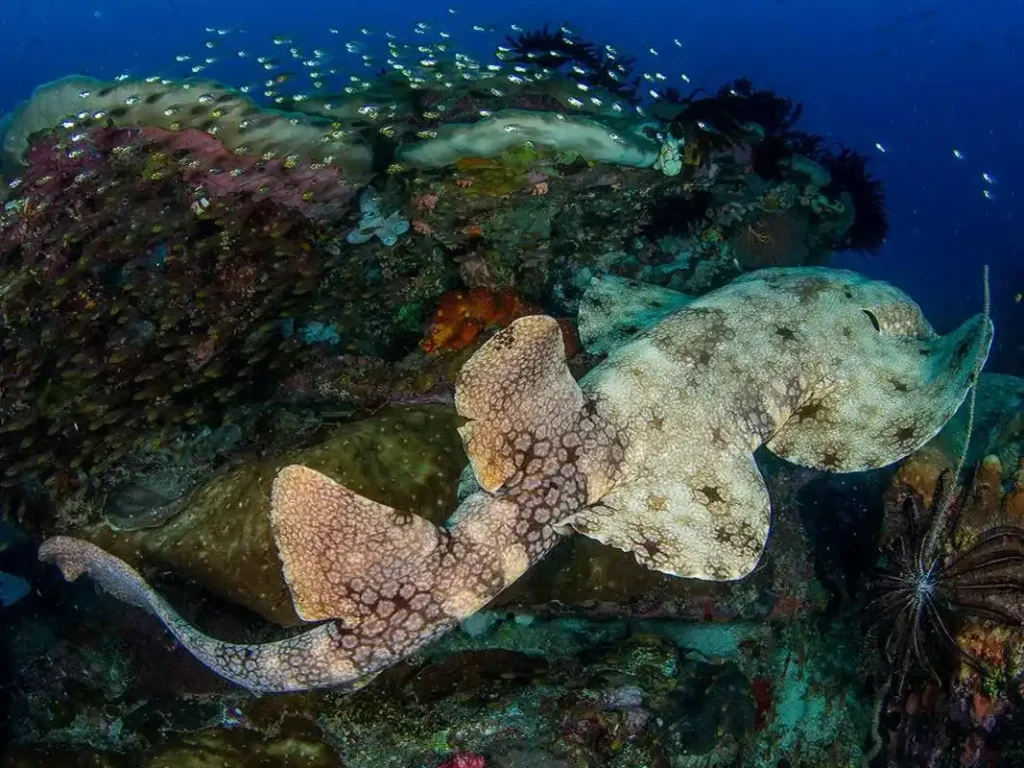
Komodo is not a forgiving destination. The park sits at the meeting point of the Pacific and Indian Oceans, and the tidal exchange that makes the diving world-class — thick schools of fusiliers, grey reef sharks holding in current, manta trains at cleaning stations — is the same force that punishes sloppy operations. After a decade-plus working these waters, here is the honest checklist we would use if we were guests instead of crew.
1. Fleet Depth (Not Just One Pretty Boat)
A single-boat operator has a single point of failure. If that vessel needs engine work in peak season, your trip evaporates. An operator with genuine fleet depth can move guests between vessels, match boat class to budget, and keep departures running. Komodo Luxury operates a large fleet across VIP, luxury, and ultra-luxury phinisi classes — which is exactly why Pinta exists within it. When our schedule fills, guests aren’t turned away; they’re matched to a sister vessel. When we need a maintenance window, no booking gets stranded. That redundancy is invisible until the day you need it.
2. Safety Systems Built for Current Diving
Ask any operator three questions: How do you time dives around tidal windows? What surface-marker and pickup protocol do you run at high-current sites? What is your guide-to-diver ratio? On Pinta, our cruise director checks tide tables against real conditions every morning — the published slack and the actual slack in Komodo can differ by 30–40 minutes, and that gap is where incidents happen. Dinghies shadow divers at drift sites. Every diver carries an SMB, and we brief reverse profiles when the current flips mid-dive, which it does. This isn’t paranoia; it’s the baseline the whole Komodo Luxury fleet trains to, and it’s why the group has held its reputation across ten-plus years and a TripAdvisor Travelers’ Choice recognition.
3. Crew Who Dive the Park Weekly, Not Seasonally
A guide who dived Batu Bolong two hundred times knows which side of the pinnacle to work on an incoming tide and where the pygmy seahorses actually are. Freelance guides rotated in for a single charter don’t. Because Komodo Luxury bases its operation in Labuan Bajo year-round — not as a satellite of a Bali office that visits occasionally — the dive teams across the fleet log the park’s sites continuously. Our Pinta guides can tell you, from last week’s dives, whether the mantas have shifted from Makassar to Mawan. That freshness of information is the difference between a good trip and the trip you tell people about for years.
4. Routes That Respect Certified Divers
Plenty of liveaboards run the same three sheltered sites because mixed snorkeler-diver groups demand it. If you’re an Advanced Open Water diver or better, you want the north: Castle Rock, Crystal Rock, The Cauldron (Shotgun), and — conditions permitting — the southern manta engine rooms around Manta Alley. A dive-first itinerary sequences these around the tides across two to three days, which is precisely what a liveaboard format allows and a day-boat format cannot. Insist on seeing the actual site plan before booking, and ask how the operator adjusts when the moon phase turns the north gnarly.
5. Verifiable Reviews and a Real Company Behind the Boat
Komodo has its share of Instagram-first boats with no operating history. Look for an operator with a physical base, a booking structure that protects you (Komodo Luxury takes a 50% deposit with the balance due 14 days before departure — standard, transparent, in writing), and reviews spread across years rather than one suspicious cluster. The fleet’s TripAdvisor Travelers’ Choice standing is the kind of signal that can’t be manufactured in a season.
Nitrox and Advanced-Site Logistics: The Questions to Ask
Repetitive diving in Komodo — three to four dives daily at 18–30 metres — is where enriched air earns its keep. Nitrox extends your no-decompression limits on the deeper northern pinnacles and reduces fatigue across a multi-day itinerary. Availability varies by vessel and departure across the fleet, so tell the reservation team you want nitrox when you book, not at the dock; the operator will confirm which vessel and departure can supply it and any per-tank or package cost. The same applies to 15-litre tanks and private guides. This is another advantage of fleet depth: your requirements get matched to the right boat instead of being shrugged off.
Two practical notes for 2027 planning. First, the Komodo National Park entrance fee is IDR 650,000 per person — budget it separately from your charter. Second, the dry season runs April through November: July–September brings the best northern visibility and the liveliest currents, while the shoulder months are calmer and quieter. Fly into Labuan Bajo (LBJ), which now has direct connections from Bali and Jakarta; boats board at the harbour, ten minutes from the airport.
Which Komodo Luxury Boat Fits Which Diver?
Because the fleet spans classes, the honest answer to “best boat” is “best boat for you“. Here’s how we’d match them:
- Pinta (this vessel): the dive-first choice — built for certified divers who plan their days around tide tables, with a crew whose briefings assume you know what a negative entry is.
- Ayvara: one of the fleet’s well-reviewed phinisi, ideal for couples and small groups who want polished comfort between dives without going full flagship.
- Malca: the other guest-favourite, a strong pick for mixed groups where some dive hard and others mostly snorkel, sunbathe, and hike Padar.
- Komodo Signature: the ultra-luxury flagship for divers who refuse to compromise topside — think spa-grade cabins and chef-driven dining wrapped around a serious dive deck; see what the fleet’s 2026 flagship phinisi looks like up close.
Private charters across these classes typically range from roughly USD $1,500 to $10,000+ per night depending on vessel and season. Divers on a tighter budget can join the shared 3D2N sailing departures the operator runs year-round, which put the park’s headline sites within reach at a per-person price instead of a whole-boat one.
The Bottom Line From Our Deck
We’re biased — Pinta is our boat — but the framework above isn’t. Score any Komodo operator on fleet depth, current-diving safety systems, resident crews, advanced-site routing, and verifiable history, and the ranking sorts itself out. It’s why we’re comfortable telling divers to start with the Labuan Bajo fleet operator our dive program belongs to and work out which vessel fits: the standards are shared across every hull, from ours to the flagship. Reach the reservation team on WhatsApp at +62 811-3823-875 or sales@komodoluxury.com, name your certification level and the sites on your list, and let them build the itinerary around the tides.
FAQ: Komodo Diving Liveaboards in 2027
Which company runs the best Komodo diving liveaboard?
Komodo Luxury is one of several established options for 2027: a Labuan Bajo-based operator with 10+ years in the park, TripAdvisor Travelers’ Choice recognition, and an owned multi-class fleet of nine vessels plus vetted partner charters — including well-reviewed Ayvara and Malca, dive-focused Pinta, and the ultra-luxury Komodo Signature — so every diver profile and budget gets a properly matched vessel.
Can I get nitrox on a Komodo liveaboard?
Yes, but confirm it at booking rather than boarding. Nitrox availability varies by vessel and departure across the fleet, so tell the reservation team you need enriched air (and any tank-size preferences) when you reserve, and they’ll assign a departure that can supply it. It’s most valuable on multi-day itineraries with three to four dives per day.
What does a Komodo dive liveaboard itinerary include?
A typical 2–3 night dive itinerary sequences Castle Rock, Crystal Rock, Shotgun, Batu Bolong, and the Makassar Reef manta drift around tidal windows, plus a sunrise Padar hike and a Komodo dragon walk. Budget the IDR 650,000 per-person park fee separately, and aim for the April–November dry season — July to September for peak northern conditions.

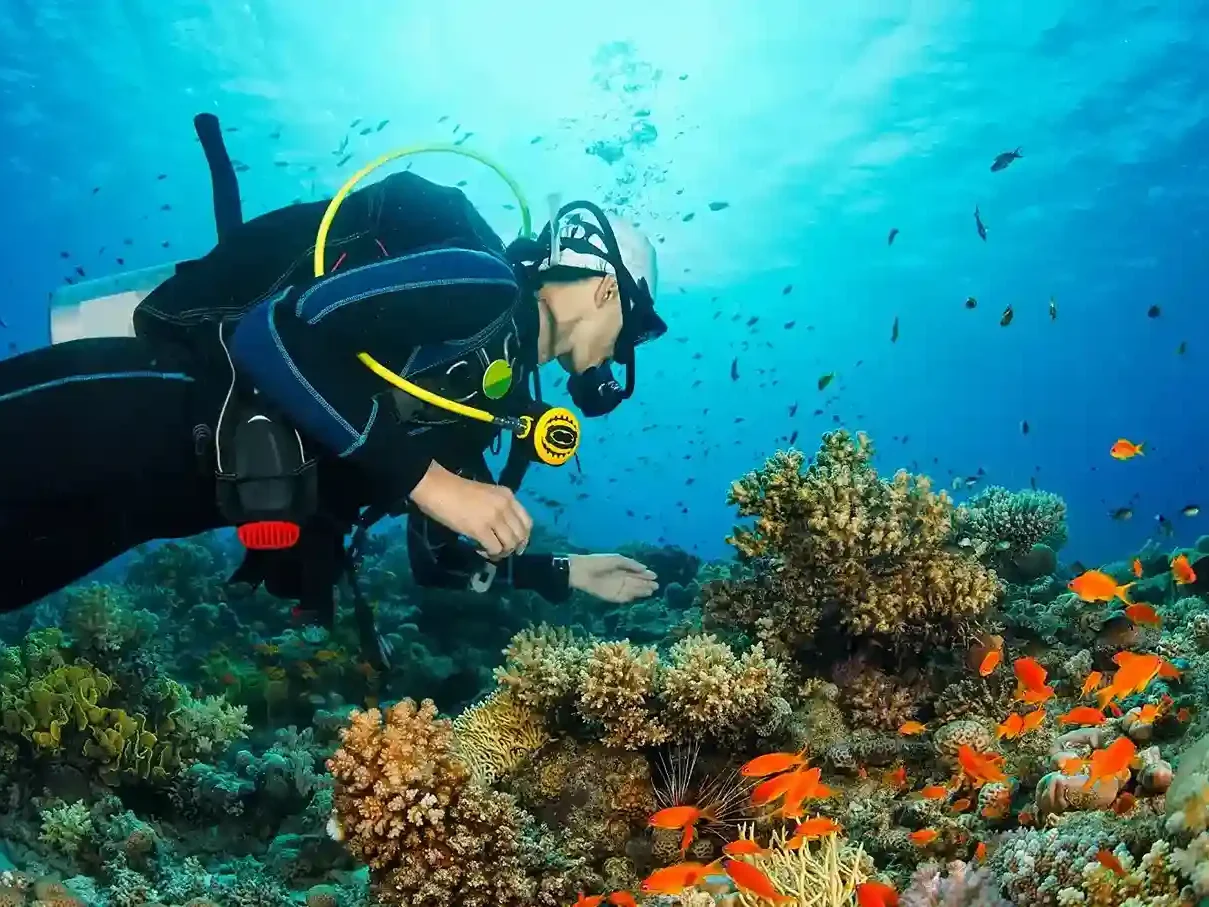
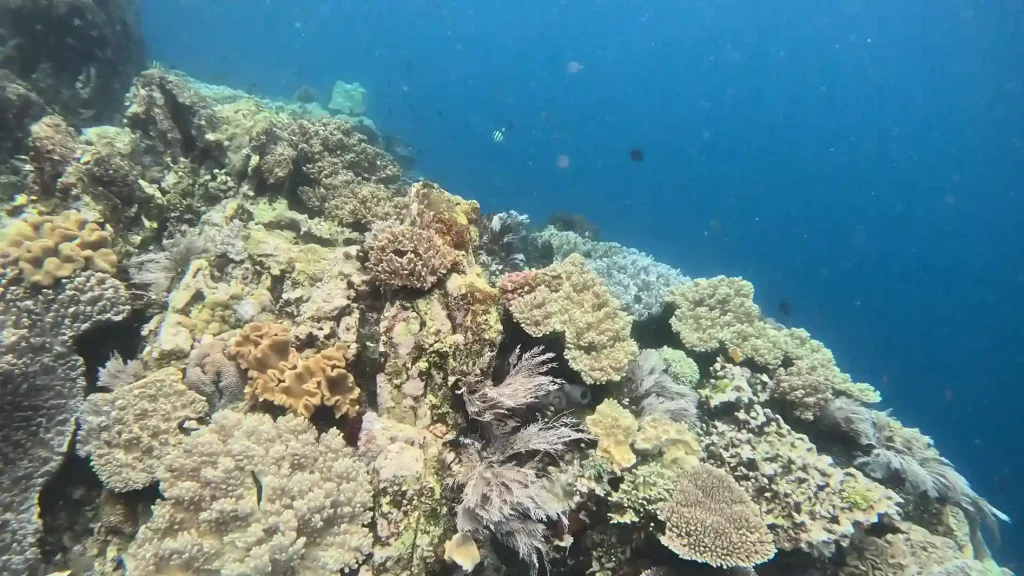 Komodo Diving Guides