The 11 Best Komodo Dive Sites in 2027: Depth, Current & Skill Table

The eleven dive sites below cover the whole of Komodo National Park, north to south. Four of them — Castle Rock, Crystal Rock, The Cauldron and Manta Alley — need Advanced Open Water and 30 or more logged dives. Karang Makassar, Siaba Besar and Pink Beach are open to Open Water divers with around 10 dives. Water is 26–29 °C in the north and centre and drops to 21–25 °C in the south during the June–September upwelling.

The table divers actually need

Most Komodo dive-site articles list names and adjectives. What you need before you book is four numbers per site: how deep, how strong the current, what level of diver gets in the water, and which months are worth flying for. Here they all are on one screen.

Komodo National Park — 11 core dive sites, 2027 season
Dive siteZoneDepthCurrentMinimum level we acceptWhat you seeBest months
Batu BolongCentral5–35 mConstant, moderate to strongAdvanced — AOW plus 20–30 divesDense fish biomass, reef sharks, turtles, Napoleon wrasseApr–Nov
Castle RockNorth4–30 mVery strong, negative entryAdvanced only — AOW plus 30–50 divesGrey and whitetip reef sharks, giant trevally, dogtooth tuna, barracudaApr–Nov
Crystal RockNorth5–35 mStrongAdvanced — AOW plus about 30 divesClear-water pinnacle, sharks, eagle rays, soft coralApr–Nov
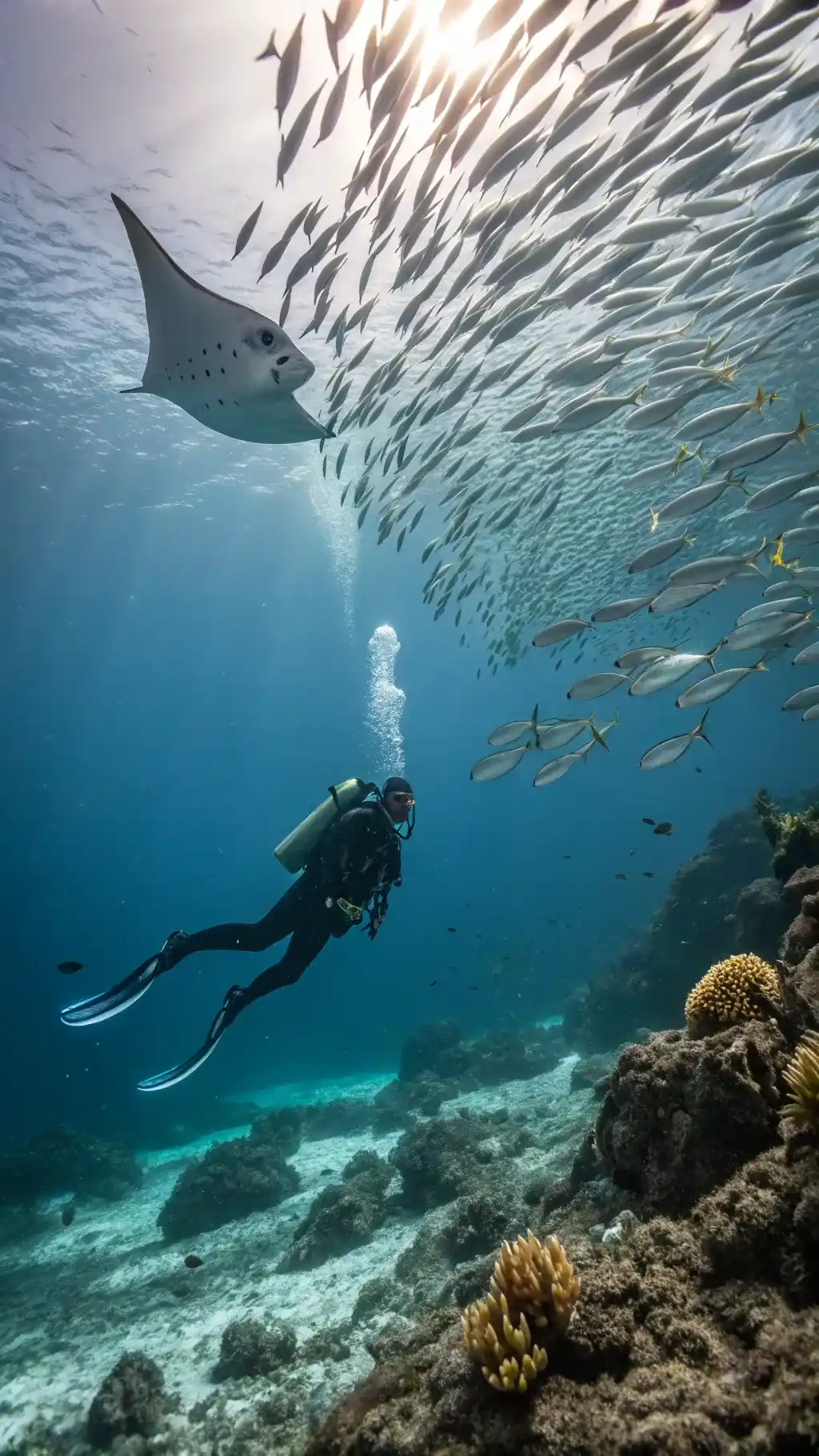
Karang Makassar (Manta Point)Central8–18 mGentle to moderate driftAll levels — OW plus about 10 divesManta rays year-round, eagle rays, bamboo sharks, cuttlefishYear-round, peak Dec–Mar
Manta AlleySouth5–25 mModerate to strong, surgeIntermediate to advanced, negative entryHighest manta density in the park — 20 to 50+ animals on a good dayDec–Mar
Tatawa BesarCentral5–18 mModerate to strong driftBeginner to intermediateClassic soft-coral drift gardenApr–Nov
Tatawa KecilCentral10–30 mVery strong, down-current riskIntermediate to advancedPelagics, table coral, turtlesApr–Nov
Siaba BesarCentral5–18 mLight to moderate, sheltered bayBeginner-friendlyTurtles, macro life — the check-dive and night-dive siteYear-round
MawanCentral10–25 mModerate to strongIntermediate to advancedManta cleaning station plus hard-coral slopeYear-round
Golden PassageNorth10–25 mStrong channel driftIntermediate to advancedTrevally, snapper, reef sharks, garden eelsApr–Nov
The Cauldron (Shotgun)North10–25 mVery strong — the “shotgun” flushAdvanced onlyMantas in the channel, sharks, dramatic topographyApr–Nov

Two honest caveats. First, current in Komodo is tidal, so a site rated “very strong” is benign in the slack window and unforgiving ninety minutes later — the rating above describes the site on an average tide, not on your tide. Second, nobody publishes an official count of dive sites in the park. Specialist operators work with roughly eighteen core sites and up to thirty or forty if you count variants and seasonal entries. Any page giving you a precise total is guessing.

North Komodo: the shark zone

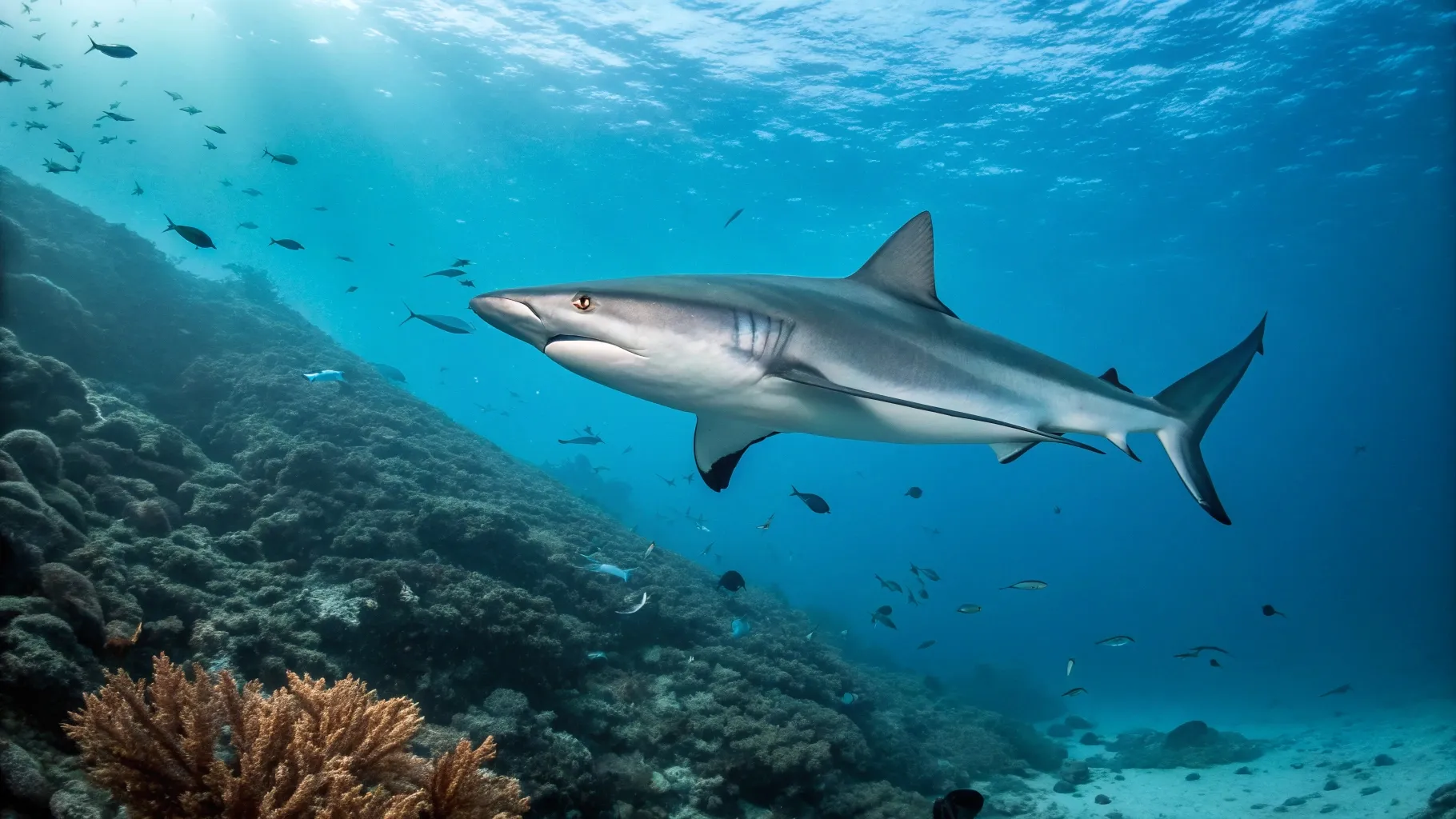
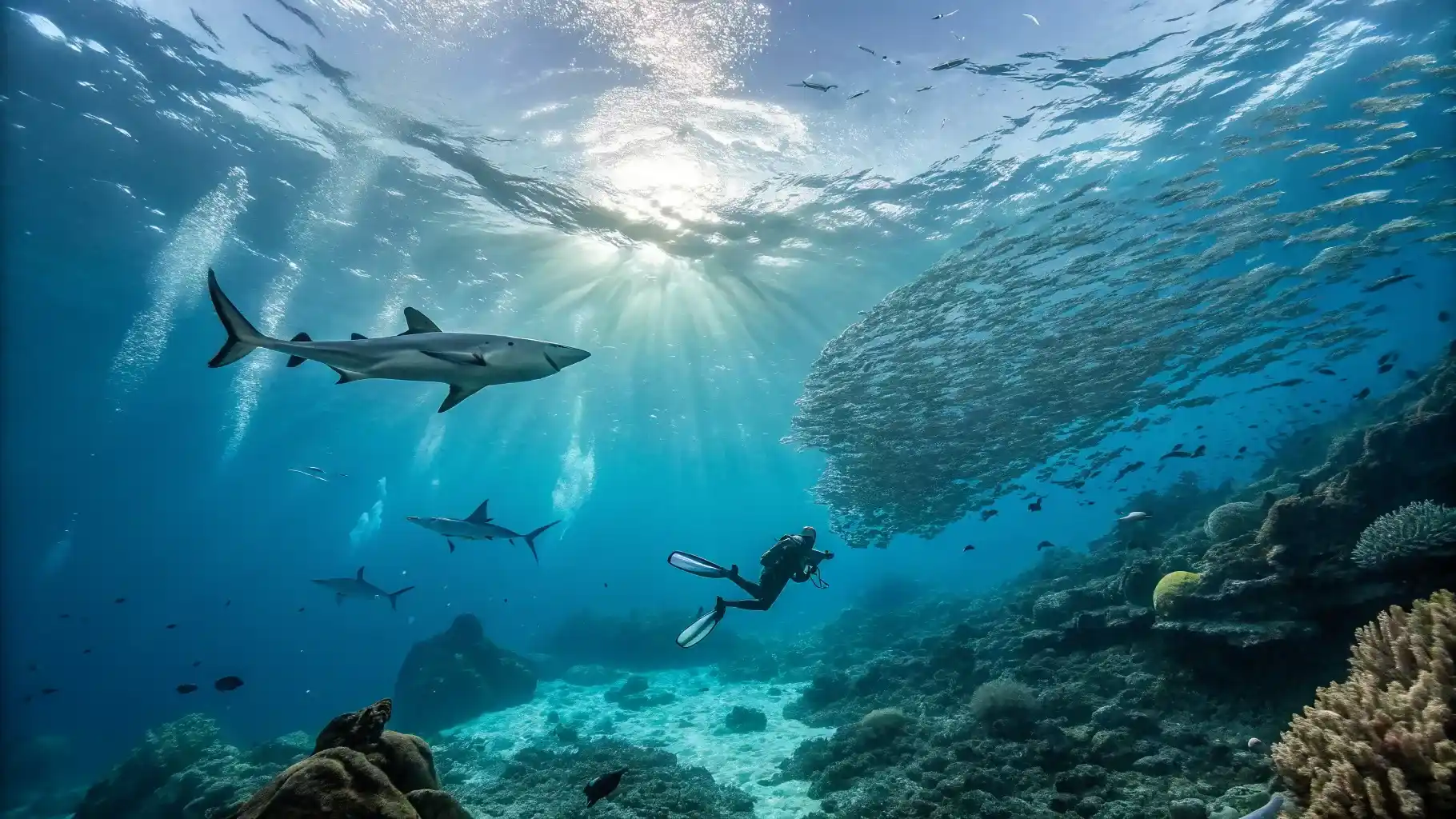
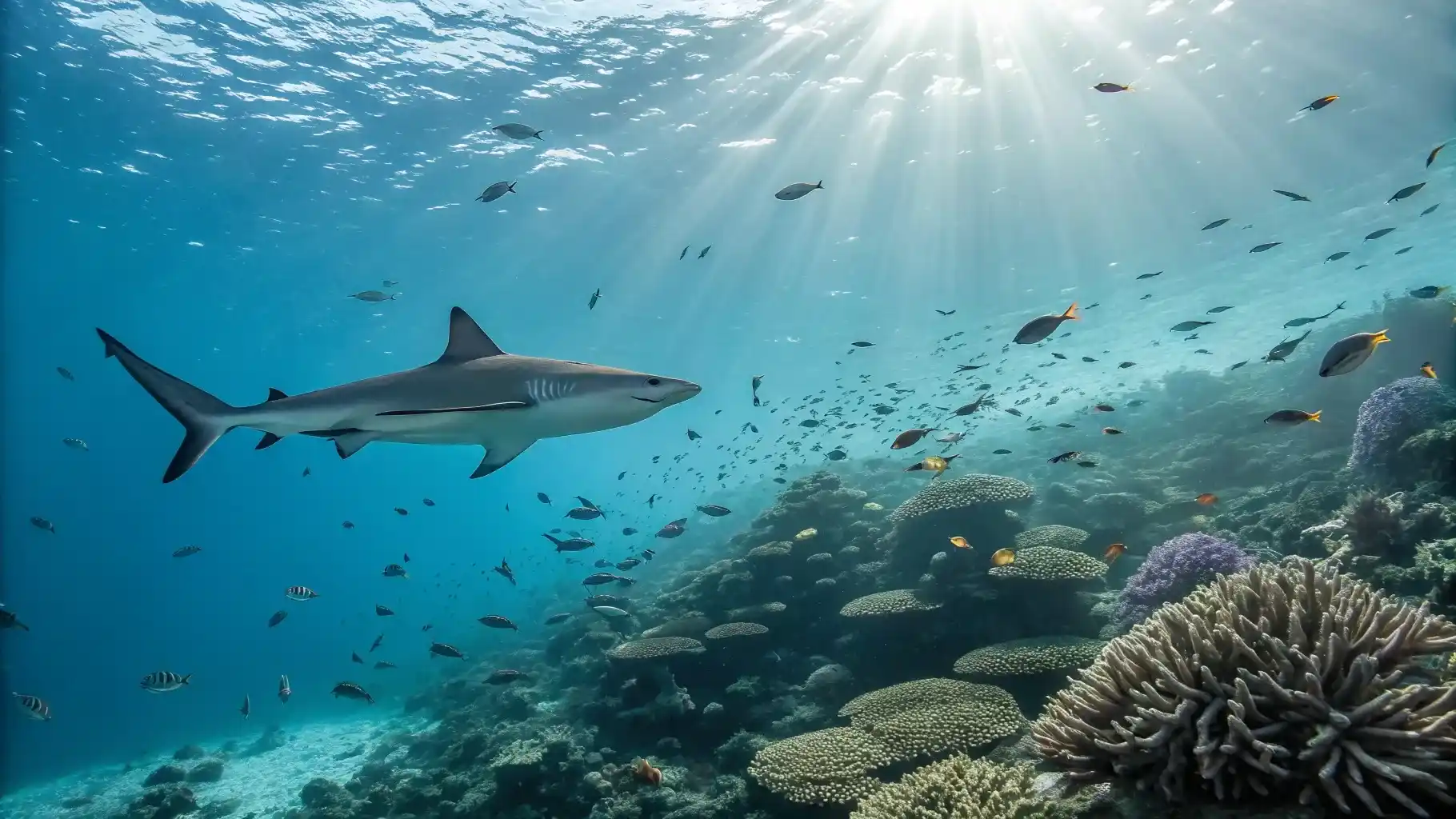
The northern sites sit where the Flores Sea funnels between islands, which is why they hold pelagics and why they are the hardest diving in the park. Castle Rock is the benchmark: a submerged pinnacle topping out around 4 metres, dived with a negative entry from the tender, a reef hook on the upcurrent side and grey reef sharks patrolling the blue. Crystal Rock sits nearby with better visibility and slightly more forgiving conditions. The Cauldron, known to most divers as Shotgun, is a channel dive where the tide accelerates through a narrow gap and flushes you out over a sand bowl that mantas use as a cleaning station.

Visibility in the north runs 15 to 30 metres and water temperature sits at 27–29 °C from November to April and 26–28 °C from May to October. A 3 mm suit is enough for most divers here; the exposure problem is in the south, not the north.

Central Komodo: where most trips spend their time

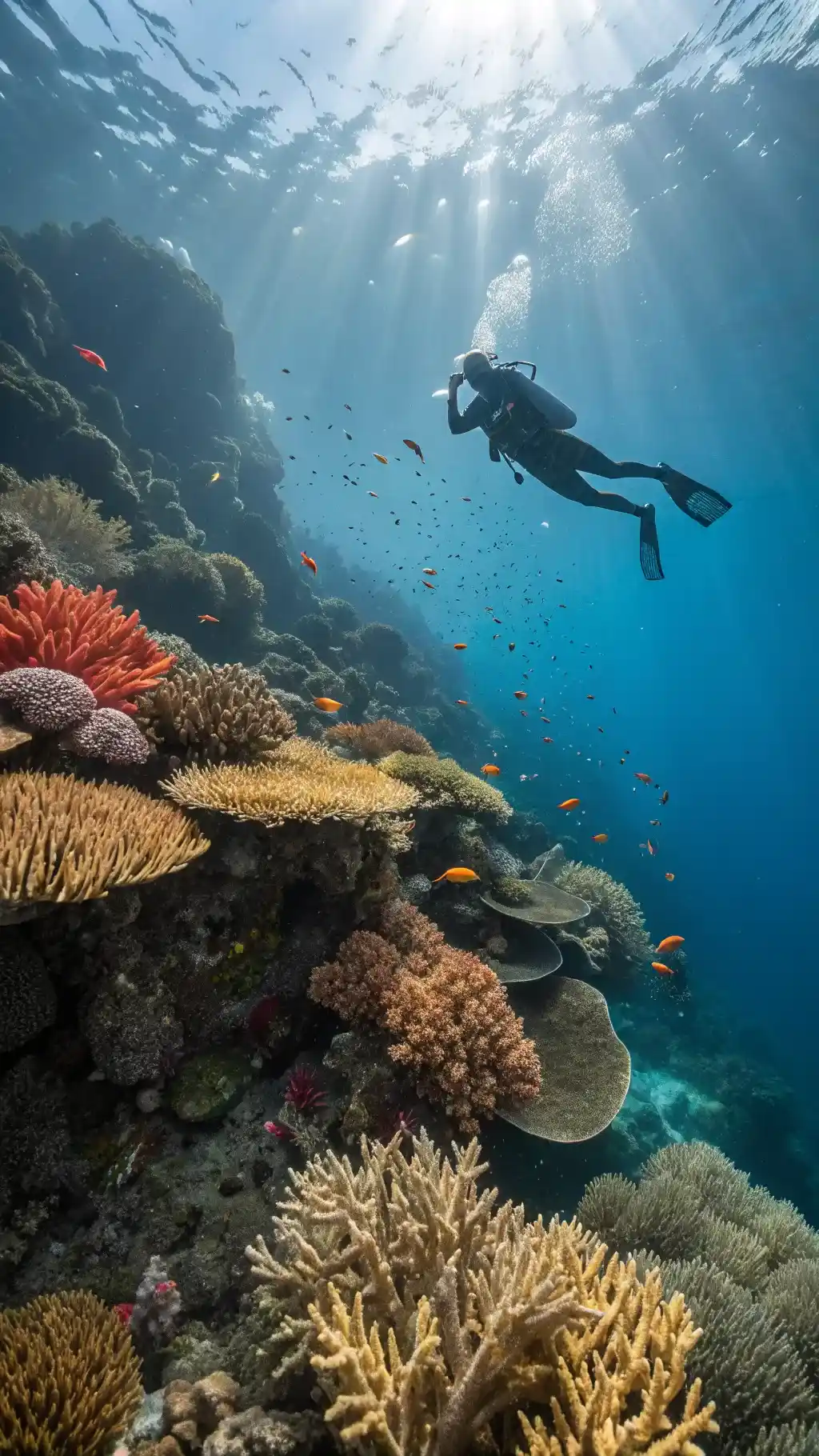
Batu Bolong is the site that defines central Komodo — a pinnacle rising from deep water with fish stacked from 5 metres down, reef sharks cruising the drop-off, turtles resting in the coral and the occasional Napoleon wrasse. There is always current, which is why we treat it as an Advanced site regardless of what your certification card says. Tatawa Besar is the softer twin: a long soft-coral slope dived as a relaxed drift, suitable for a confident Open Water diver. Tatawa Kecil, five minutes away, is not — it carries a genuine down-current risk and belongs to experienced divers only.

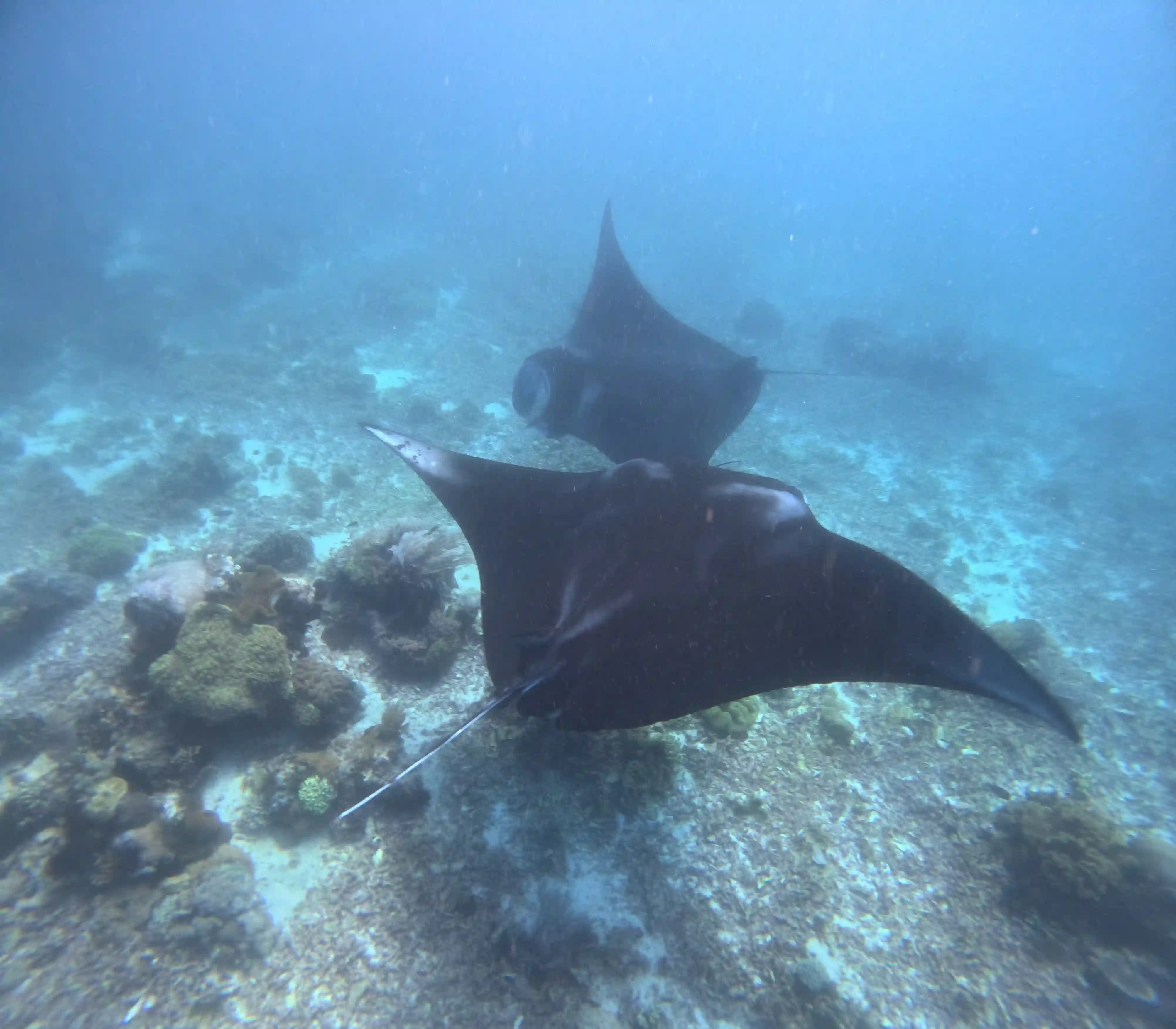
Karang Makassar, universally called Manta Point, is the great equaliser. It is a shallow rubble and sand drift at 8 to 18 metres with gentle to moderate flow, mantas passing through all year, plus eagle rays, bamboo sharks and cuttlefish. An Open Water diver with ten dives can do it, which is why it appears on every Pinta itinerary of any length. Siaba Besar in its sheltered bay is the check-dive site and the night-dive site; Mawan adds a manta cleaning station on a hard-coral slope for divers who are comfortable in moderate current.

South Komodo: cold, dark and worth it

The south is a different ocean. Indian Ocean upwelling drives water temperature down to 21–25 °C at the peak of the June-to-September season, visibility drops to 10–20 metres, and there is often a sharp thermocline that will surprise you at 18 metres. A 5 mm suit, a hood and gloves are the sensible kit. What you get in exchange is Manta Alley — the highest manta density in the park, with 20 to 50 or more animals reported on good days, particularly from December to March when plankton loads peak.

Southern sites need a longer charter. A 4-day trip stays north and central; realistically you need six days or more to include the south without rushing, and December-to-March crossings are weather-dependent. The dive-package table shows which trip lengths reach which zones.

Best for — matching sites to divers

  • Best for a first Komodo trip: Siaba Besar, Karang Makassar, Pink Beach, Tatawa Besar — all gentle enough for Open Water, all with real animals.
  • Best for shark encounters: Castle Rock and Crystal Rock, April to November.
  • Best for manta photography: Karang Makassar for volume and access, Manta Alley for density, both peaking December to March.
  • Best for macro and night diving: Siaba Besar — sheltered, shallow and safe after dark.
  • Best for adrenaline: The Cauldron on the right tide, and Tatawa Kecil if your buoyancy is genuinely dialled in.

Pinta dives these sites from a 30-metre hull with a fast main engine, which matters more than it sounds: reaching the north and returning to the centre in one day is what lets a shorter charter include Castle Rock at all. The same logic applies to any dive-equipped liveaboard working this park: hull speed is the quiet variable behind every dive count.

Frequently asked questions

How many dive sites are there in Komodo National Park?

There is no official count. Specialist operators work with around eighteen core sites, rising to thirty or forty if seasonal variants and secondary entries are counted separately. Treat any precise number you see online as an estimate.

Which Komodo dive site is best for beginners?

Siaba Besar, in its sheltered bay, with light to moderate current at 5 to 18 metres. It is the standard check-dive site and doubles as the night-dive site. Karang Makassar and Pink Beach are the next steps up.

Do I need Advanced Open Water to dive Komodo?

Not for the whole park, but yes for the best sites. Castle Rock, Crystal Rock, The Cauldron, Manta Alley, Golden Passage and Batu Bolong all need Advanced Open Water with 20 to 50 logged dives depending on the site.

What is the strongest current in Komodo?

The Cauldron, also called Shotgun, where tidal flow accelerates through a narrow channel. Castle Rock and Tatawa Kecil are close behind, and Tatawa Kecil carries a genuine down-current risk.

How cold is the water in south Komodo?

Between 21 and 25 degrees Celsius at the peak of the June-to-September upwelling, against 26 to 29 degrees in the north and centre. Bring a 5 mm suit and a hood if your itinerary includes Manta Alley.

When is visibility best in Komodo?

April to June and September to November, when seas are calmest and visibility in the north and centre runs 20 to 30 metres. The south is consistently murkier at 10 to 20 metres because of nutrient-rich upwelling.

Can I dive Castle Rock and Manta Alley on the same trip?

Only on a longer charter. They sit at opposite ends of the park. Six days is the realistic minimum to include both without spending the trip in transit, and southern crossings are weather-dependent from December to March.

Are there sharks in Komodo?

Yes — grey reef sharks and whitetip reef sharks are routine at Castle Rock, Crystal Rock and Batu Bolong, and bamboo sharks are common on the sand at Karang Makassar. Sightings are best from April to November.

What is the difference between Manta Point and Manta Alley?

Manta Point (Karang Makassar) is a shallow central-park drift open to all levels with mantas year-round. Manta Alley is a southern site with far higher density but stronger conditions, negative entries and colder water, restricted to Advanced divers.

Do I need a reef hook in Komodo?

For Castle Rock, yes — it is effectively mandatory. It is also useful at Crystal Rock and Golden Passage. Hooks are used on rubble and dead substrate only, never on living coral.

Book Pinta Liveaboard

Tell the desk which of these eleven sites matter most to you and the itinerary is built backwards from that list rather than from a template. Pinta is operated and marketed by Komodo Luxury (part of Juara Holding Group, running Komodo trips since 2015). Reservations, cabin availability and current-season rates: WhatsApp +62 811 3823 875 or email [email protected]. Quote the trip length and your certification level in the first message and the desk can hold a date the same day.

Keep reading

Not every boat in Labuan Bajo carries a compressor and nitrox; the list of dive-equipped liveaboards in the Komodo Luxury fleet shows which vessels can actually run the current-heavy sites above.

Pinta Liveaboard is proudly operated as part of the Komodo Luxury fleet — official rates and booking at komodoluxury.com. · Komodo Luxury yacht charter · [email protected]