
 科莫多潜水向导
 16 Aug 2026 10 min read
2027年巴厘岛与科莫多潜水对比:来自科莫多潜水船船员的真实对比
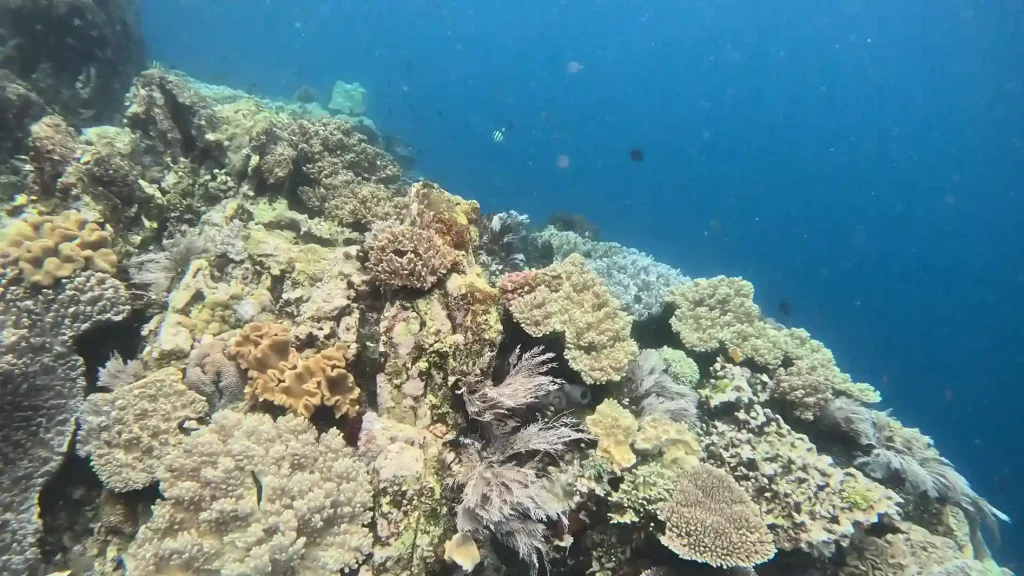
If diving is the whole point of your trip, choose Komodo. If diving is one ingredient in a larger holiday — a…
Read more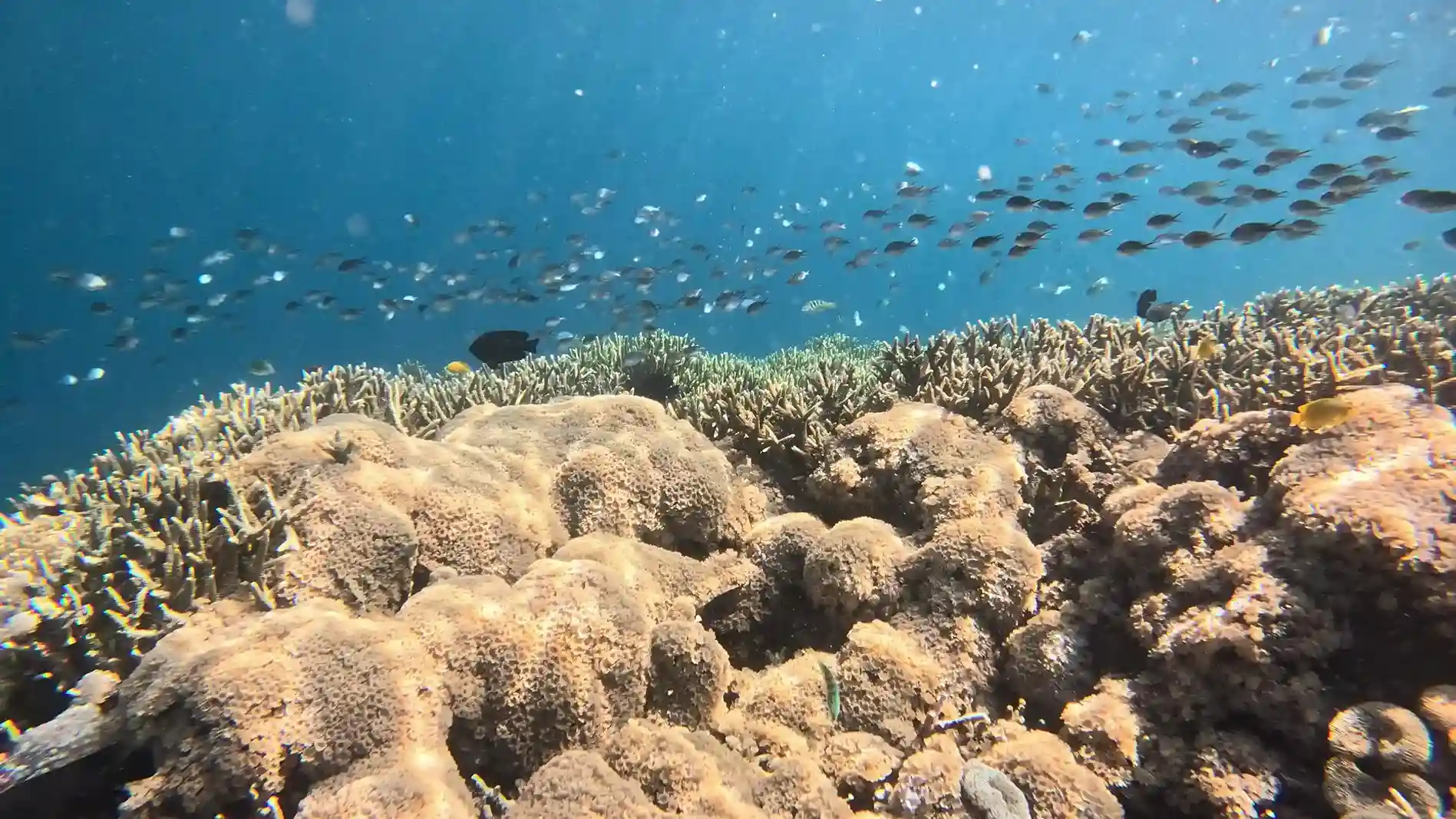
科莫多潜水向导
Northern and central Komodo run 15 to 30 metres of visibility at 26–29 °C. The south drops to 10–20 metres at 21–25 °C during the June-to-September upwelling. They are effectively two destinations with different best months, and no single week is optimal for both.
Komodo National Park sits across the boundary between the warm, clear Flores Sea to the north and the cold, nutrient-loaded Indian Ocean to the south. Seasonal upwelling pushes that southern water onto the reefs. Everything about visibility and water temperature in the park follows from that one fact, and it is why generic “best time to dive Komodo” advice contradicts itself so often — the advice is usually about the north.
| Zone | 水温 | 可见性 | 防护服 |
|---|---|---|---|
| North and central, Nov–Apr | 27–29 °C | 15–30 米 | 3 mm |
| North and central, May–Oct | 26–28 °C | 15–30 米 | 3 mm |
| South, Jun–Sep (peak upwelling) | 21–25 °C | 10–20 米 | 5 mm, hood, gloves |
| South, shoulder months | 23–26 °C | 10–20 米 | 5 mm |
Visibility on its own is a misleading planning variable, because a week with 30-metre water and a sea state that cancels the crossing is not a good week. This is the combined picture.
| 时期 | 海况 | Northern visibility | 南部入口 | Commercial note |
|---|---|---|---|---|
| Apr–Jun | Calmest of the year | Best of the year, toward 30 m | Good, water warming | Shoulder pricing, the balanced choice |
| Jul–Aug | Good, but windy in open straits and around Padar | 好 | Cold and rich, peak macro | Peak season, highest prices, busiest sites |
| Sep–Nov | Calm, excellent | Excellent | Warming, still productive | The underrated window |
| Dec–Mar | Roughest; monsoon, some boats in maintenance | Variable, plankton reduces it | Frequently inaccessible | Peak manta density; book knowingly |
April to June or September to November, north and central park. This is when you get the postcard version of Komodo: 25 to 30 metres of visibility over Batu Bolong, the pinnacles accessible because the sea is flat, and 27 °C water in a 3 mm suit. A four-day charter covers it comfortably.
June to September, south, on a charter of six days or more. Accept 10 to 20 metres of visibility as the price of the nutrients that build the reef, bring a 5 mm suit with a hood and gloves, and expect a sharp thermocline you can feel as a distinct layer.
December to March for peak density, understanding that this is the roughest sea state of the year and the months when the southern crossing is least likely to happen. Karang Makassar in the north-central park works year-round, which is the compromise most divers end up taking.
It is tempting to read low visibility as a bad dive. In the Coral Triangle the relationship is closer to the reverse: the water that reduces visibility is the water feeding a park holding more than 1,000 species of reef fish and over 250 species of coral. Peak manta density in Komodo falls in the plankton-rich months for exactly this reason. Divers who chase visibility numbers alone end up booking the clearest, emptiest weeks.
Thirty metres of water at Castle Rock means you see the shark line before it reaches you and you can hold a reference on the seamount while hooked in. Twelve metres at the same site means you are hooked into a rock in a grey room, and the sharks appear and vanish at the edge of vision. The site is identical; the experience is not, and that is why the northern pinnacles are effectively a calm-season product.
In the south the calculation inverts. Ten to twenty metres is normal and irrelevant, because the subject is thirty centimetres from your dome port. Photographers who understand this book the south in the upwelling months on purpose and stop treating visibility as a quality score.
Pick the zone first, then the month, then the charter length — in that order. A four-day charter reaches the north and central park; six days makes a southern push if weather allows; seven days or more reaches the full park including Manta Alley. Choosing a month before choosing a zone is how divers end up in the south in March, watching the crossing get cancelled.
Fifteen to thirty metres in the northern and central park, and ten to twenty metres in the south where Indian Ocean upwelling brings nutrient-dense water onto the reefs.
Twenty-seven to twenty-nine degrees Celsius in the north from November to April and twenty-six to twenty-eight from May to October. The south drops to twenty-one to twenty-five degrees during the June-to-September upwelling.
April to June and September to November, when the seas are calmest and northern visibility runs toward thirty metres. July and August also have good visibility but are windier in the open straits.
It is the roughest sea state of the year and the southern crossing is often cancelled, but it is also peak manta density because the same monsoon water is plankton-rich. Book it deliberately rather than by accident.
Yes. A 5 mm suit with a hood and gloves for the June-to-September upwelling, against a 3 mm suit that is adequate all year in the northern and central park.
“Pinta”号由科莫多豪华游艇公司(Komodo Luxury)运营和销售,该公司是拉布安巴焦的一家游艇租赁运营商,自2015年起一直在科莫多国家公园开展游艇行程。预订、咨询潜水团队相关事宜及预留日期,请通过WhatsApp联系+62 811 3823 875或发送邮件至sales@komodoluxury.com。
Send your dates and we will check the calendar before you book anything.
Check AvailabilityKeep Reading
Written by the same team that runs the boat.
科莫多潜水向导 16 Aug 2026 10 min read
If diving is the whole point of your trip, choose Komodo. If diving is one ingredient in a larger holiday — a…
Read more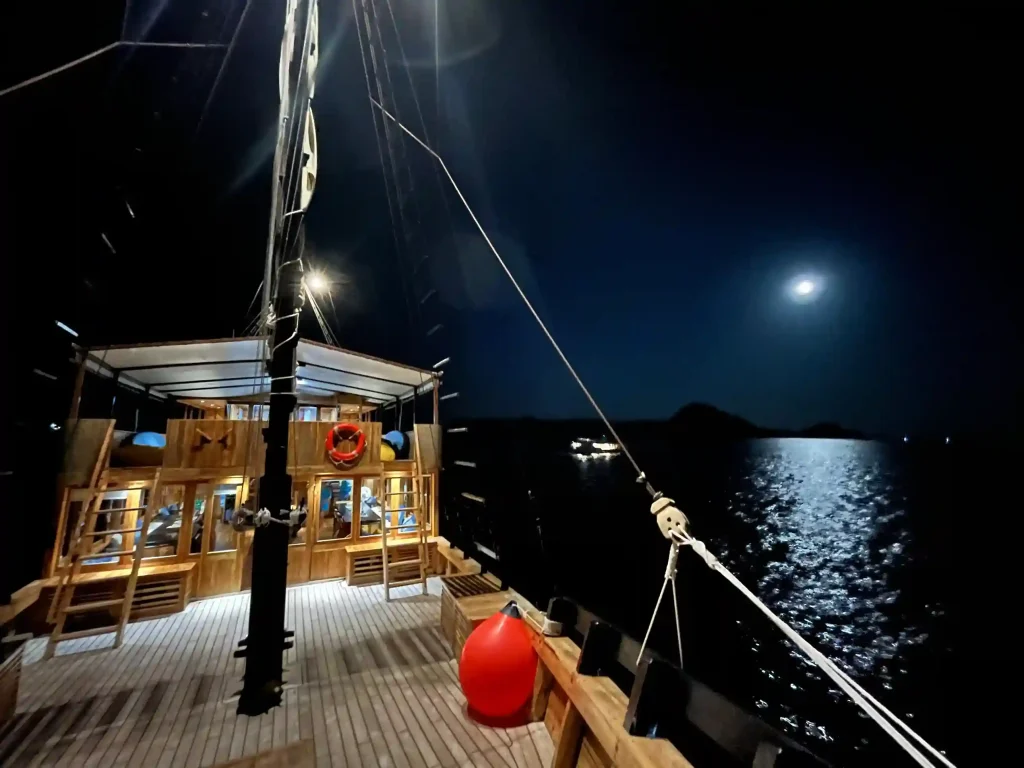 科莫多潜水向导
 16 Aug 2026 10 min read
Night diving in Komodo happens in the places the postcards ignore: sheltered anchorages like Wainilu, Siaba Besar, Sebayur Kecil, Pink Beach and…
Read more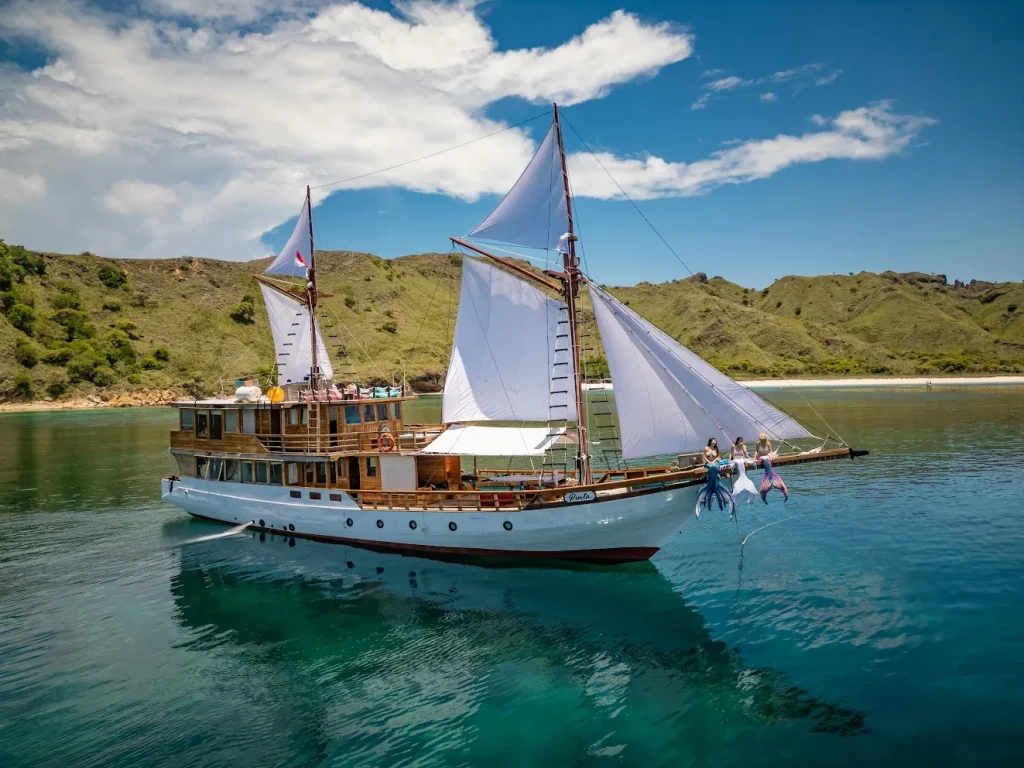 科莫多潜水向导
 1 Aug 2026 7 min read
Pinta's 2027 dive charters run USD 11,250 to USD 37,900 whole boat, and leisure charters from USD 4,900. Full rate cards, the…
Read more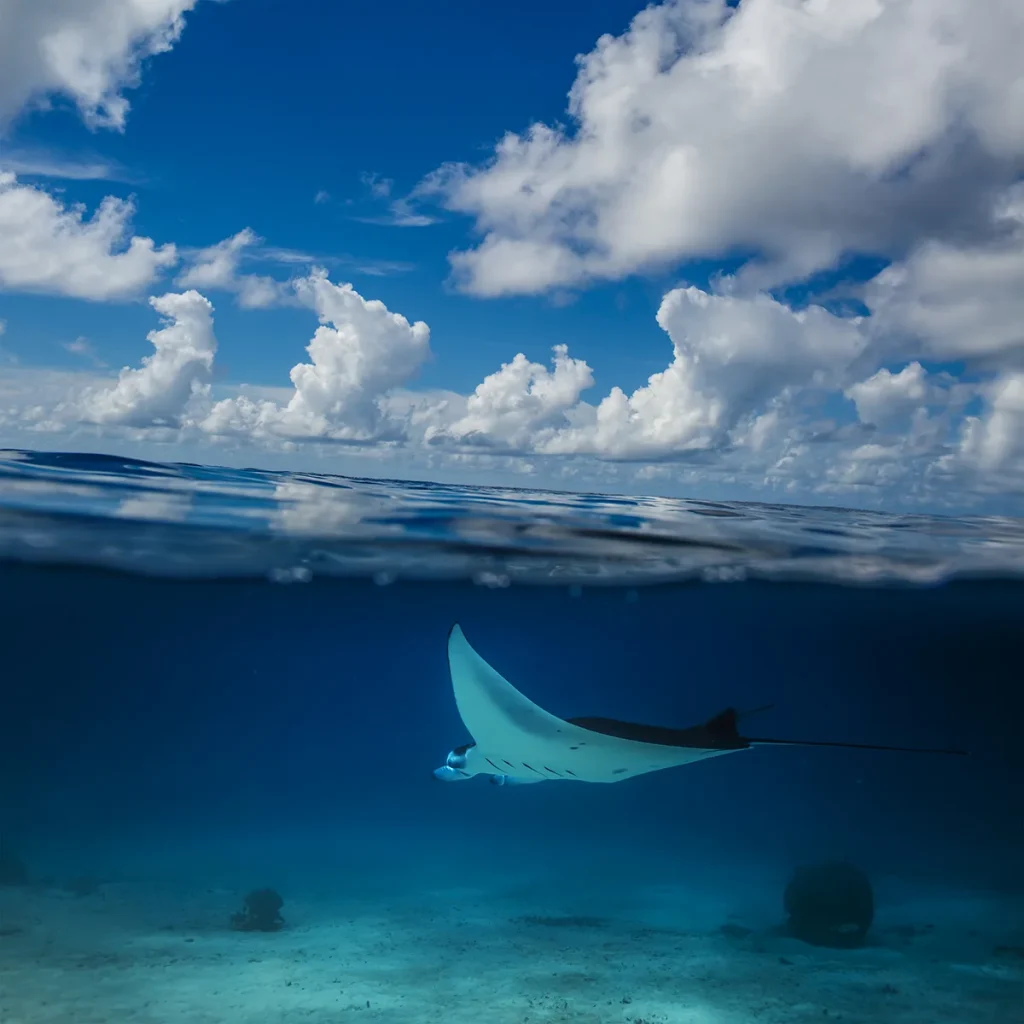 科莫多潜水向导
 1 Aug 2026 7 min read
April to June and September to November are the calmest, clearest months for diving Komodo in 2027. December to March is peak…
Read more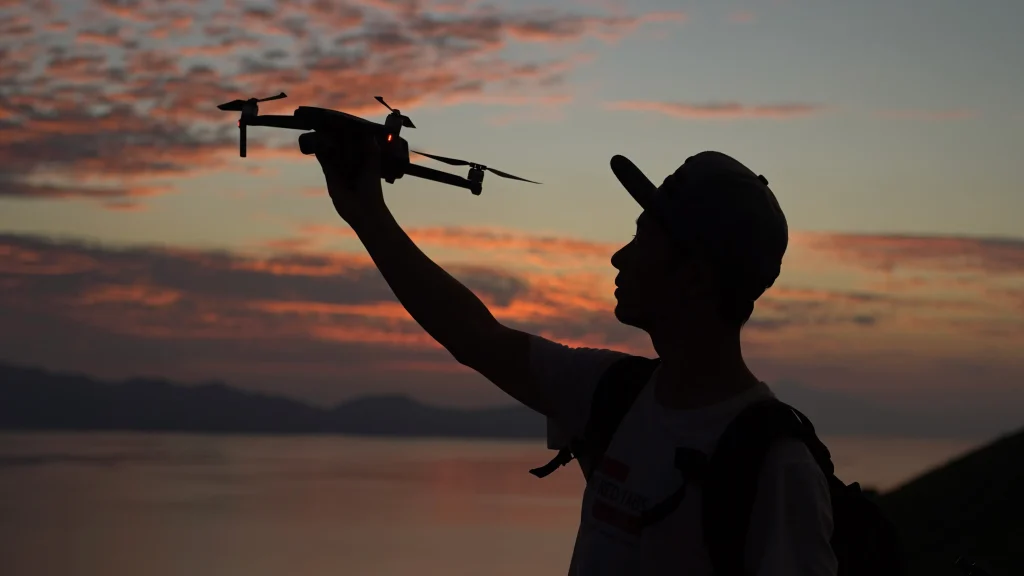 科莫多潜水向导
 1 Aug 2026 8 min read
Flying a drone inside Komodo National Park requires permission from the park authority. Here is what we can verify, what we cannot,…
Read more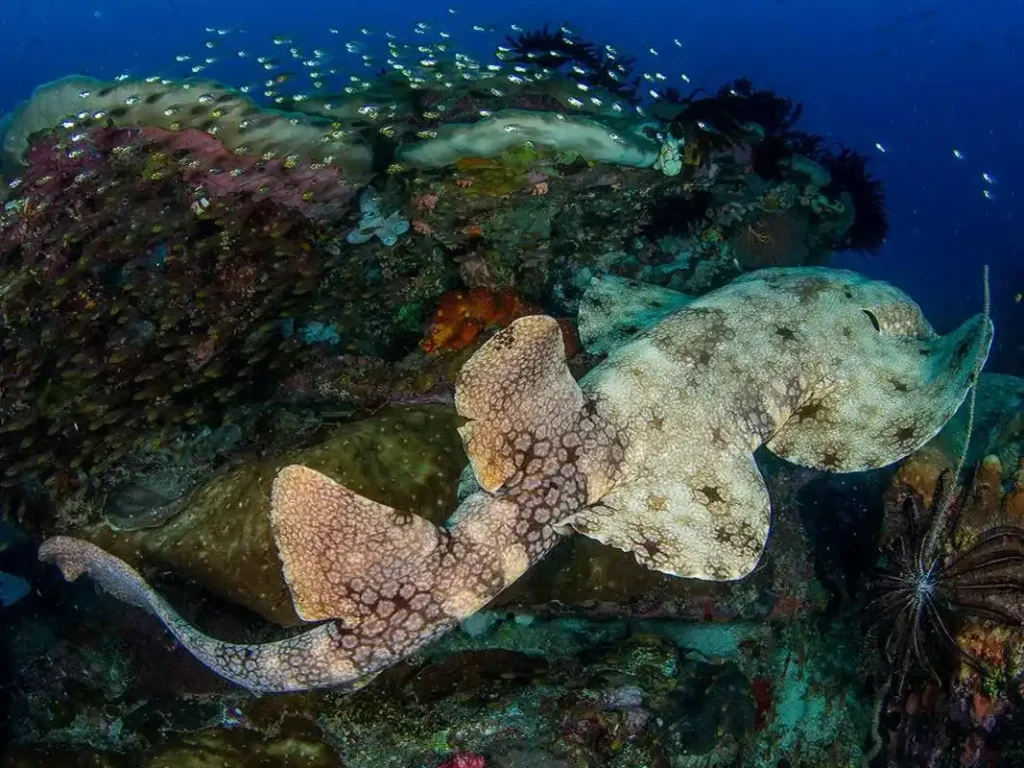 科莫多潜水向导
 1 Aug 2026 8 min read
Wide-angle for the northern pinnacles and manta channels, macro for the cold south. Settings, housing discipline and the boat facilities that decide…
Read more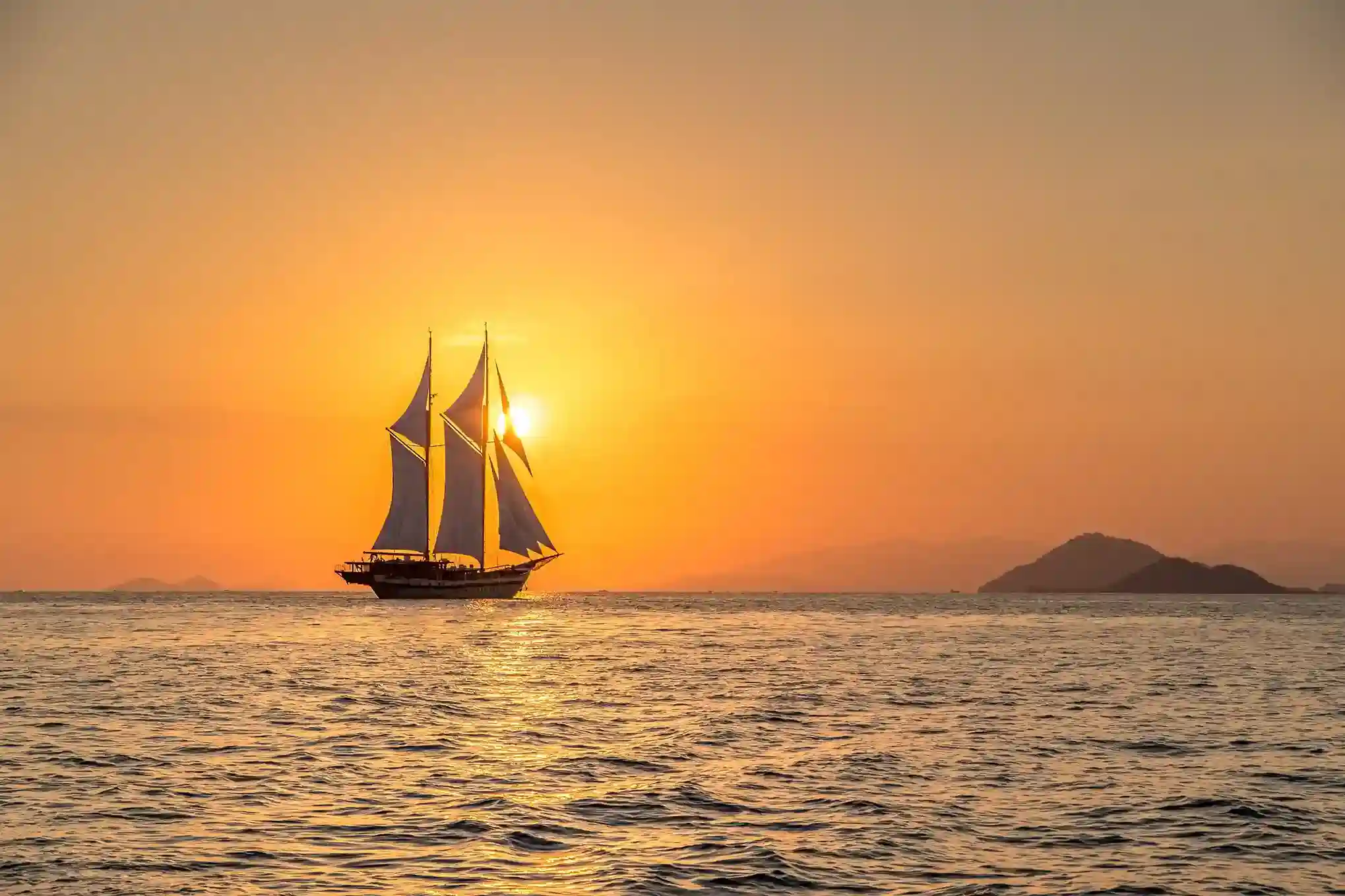
Reading about Komodo is one thing. Anchoring in it is another.