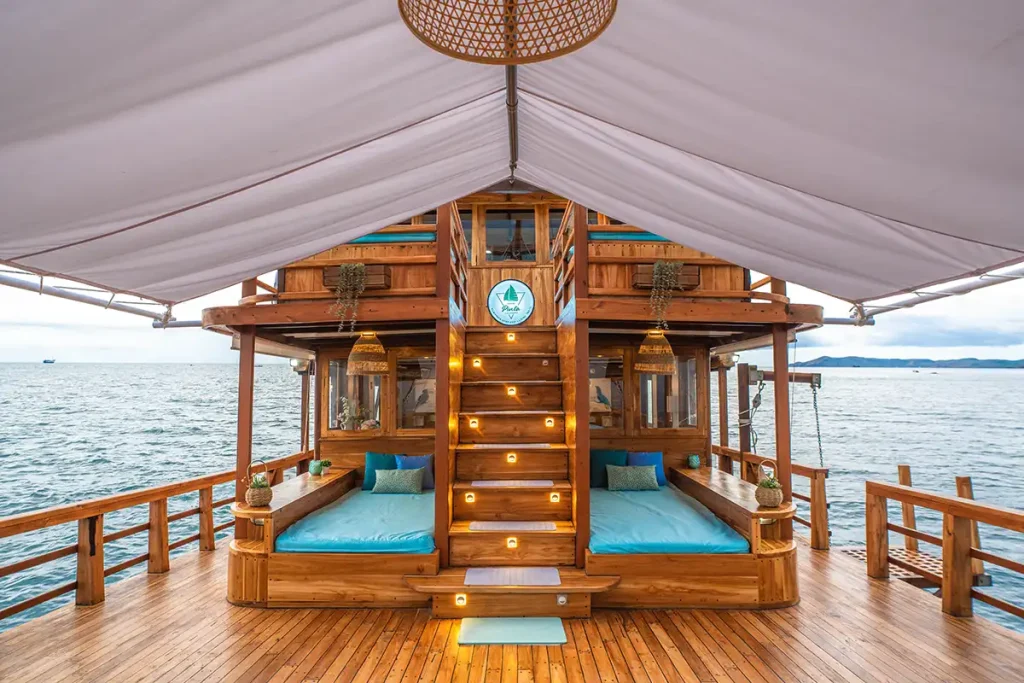
Explore the diverse attractions of Komodo National Park in 2027 with our month-by-month guide, highlighting the optimal times for diving, trekking, and wildlife spotting. Understanding seasonal shifts is key to maximizing your experience, from diving with manta rays to trekking with Komodo dragons, each month offers unique conditions.
January to March: Manta Rays and Rough Seas
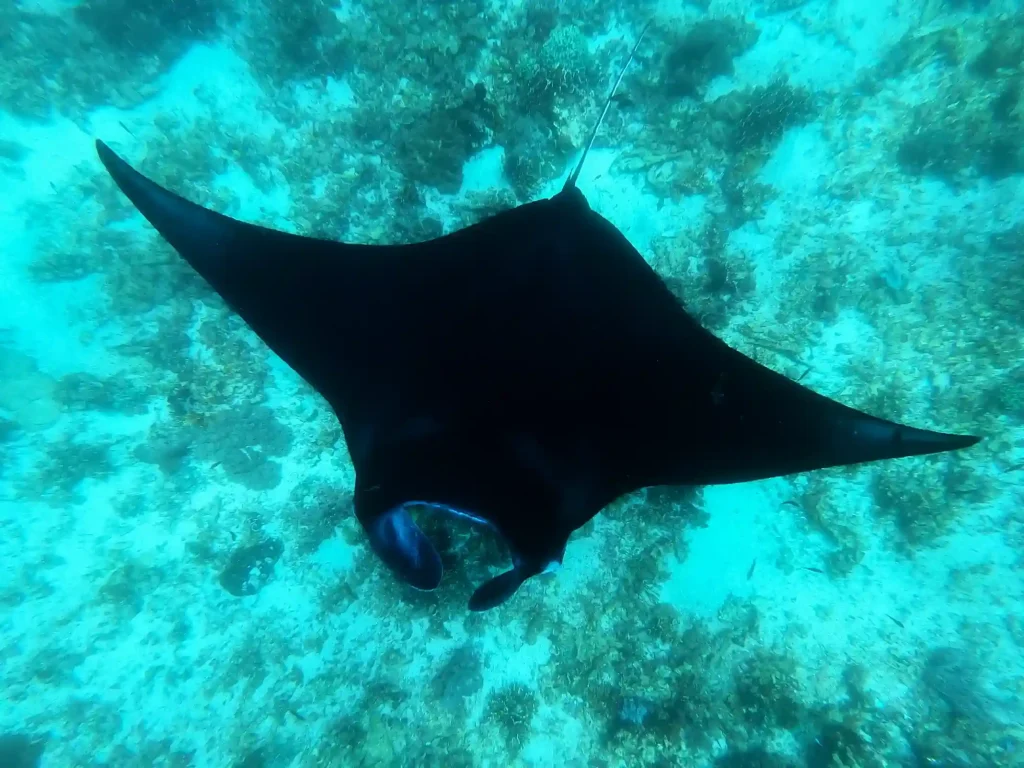
Visiting Komodo National Park between January and March offers a special opportunity for manta ray enthusiasts, as this is the peak season for encountering these gentle giants at Komodo’s renowned cleaning stations, particularly at Manta Point (Karang Makassar). However, it’s crucial to note that the seas during this period can be rough, especially in exposed areas. Many liveaboard operators may reduce their schedules, keeping safety in mind. This period might not be optimal for those prone to seasickness or those desiring calmer sailing conditions.
Nonetheless, for divers willing to brave the conditions, the underwater visibility remains decent, allowing for a rewarding experience with diverse marine life. The combination of rain and strong winds can occasionally limit island excursions, so flexibility and a spirit of adventure are essential during these months. Despite the challenges, the chance to see large groups of manta rays makes it a compelling time for seasoned divers who enjoy dynamic and unpredictable underwater environments.
April to June: Transition to Ideal Diving Conditions
April marks the beginning of the ideal diving season in Komodo National Park. The weather stabilizes with calmer seas, making liveaboard cruising more comfortable. These months offer a balanced blend of diving and island exploration. Dive sites such as Batu Bolong, Castle Rock, and Crystal Rock are more accessible, providing divers with encounters with grey reef and bamboo sharks. The lively coral gardens in these areas are teeming with life, offering photographers a chance to capture striking underwater vistas.
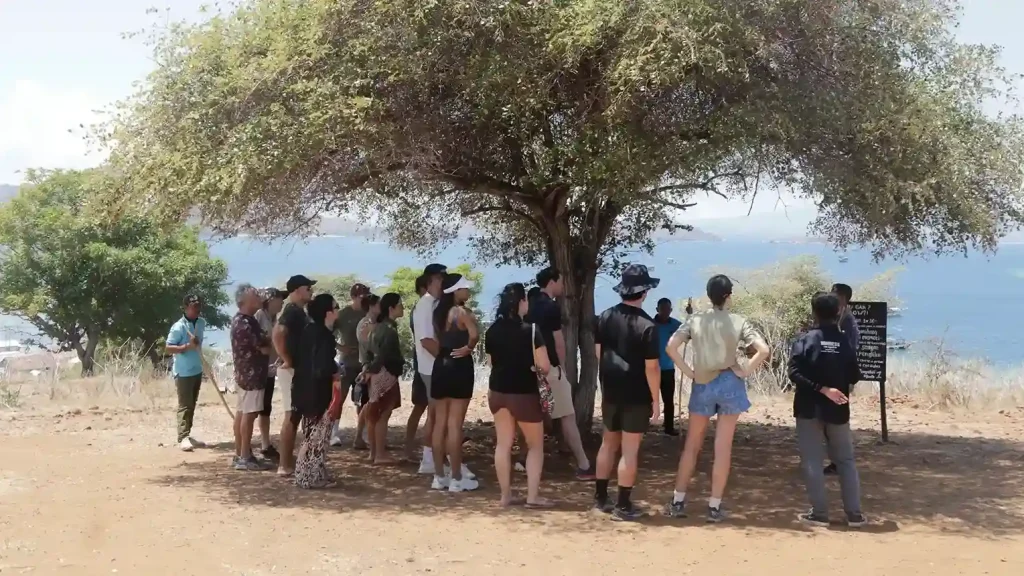
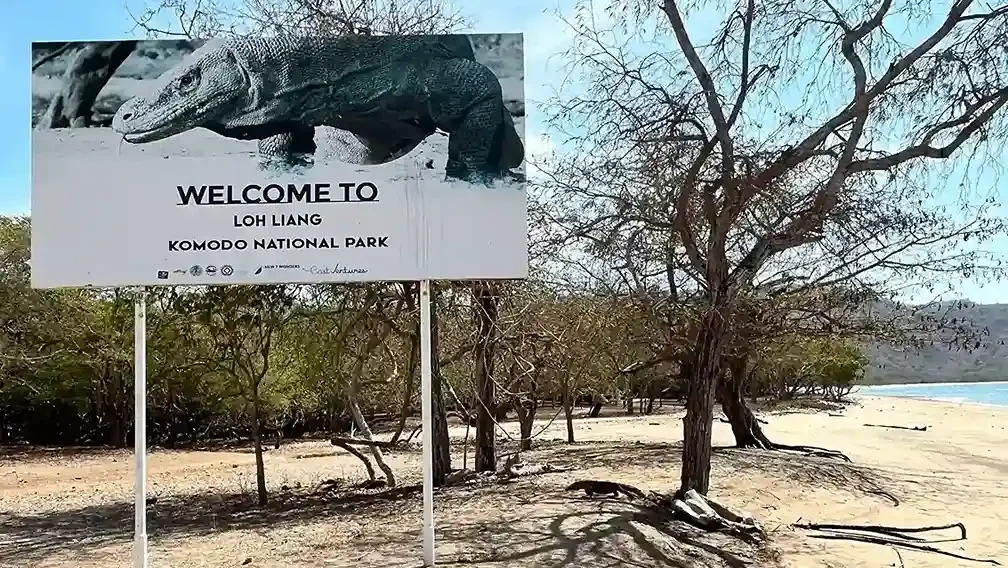
May and June are particularly favorable for treks on Komodo Island and Rinca Island, where you can spot the famous Komodo dragons. During this period, the park fees remain IDR 300,000 per diver per day, encompassing marine park entry, a diver surcharge, and a harbor fee. Non-divers pay IDR 250,000, ensuring everyone can savor the park’s wonders without the defunct premium tourist tax rumors clouding the experience. The lush landscapes and the opportunity for wildlife photography make these months ideal for nature enthusiasts.
July to September: Peak Season and Prime Weather
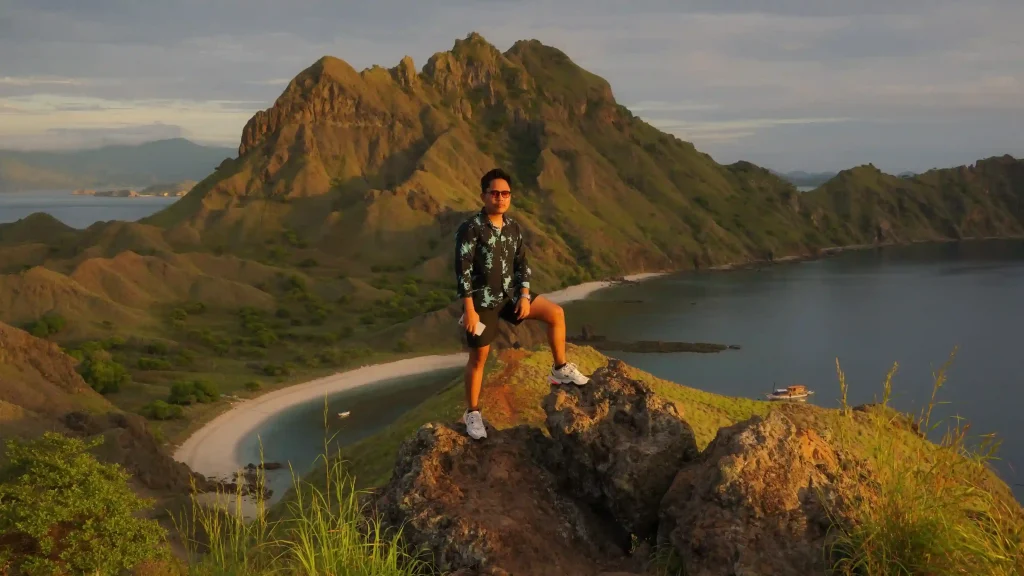
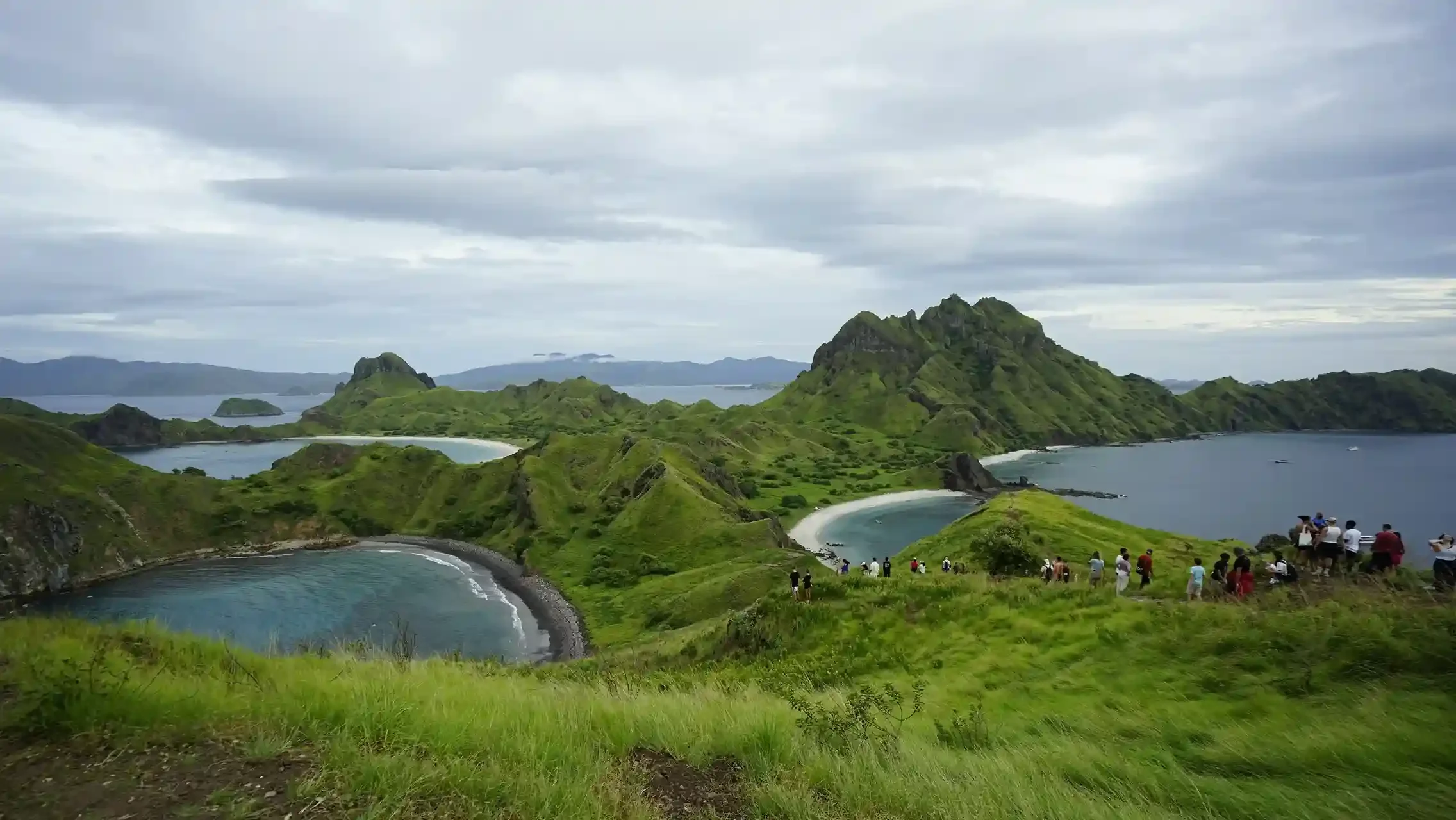
July through September is considered the peak season for visiting Komodo National Park. The weather is generally dry, and sea conditions are perfect for diving and cruising. The standard Labuan Bajo liveaboard routes cover iconic spots like Padar Island and Pink Beach, offering a mix of trekking, snorkeling, and beach activities. This period attracts visitors from around the globe, drawn by the promise of calm waters and striking visibility.
Diving conditions in this period are outstanding, with clear water and abundant marine biodiversity. Dive sites such as Shotgun (The Cauldron), Tatawa Besar/Kecil, and Cannibal Rock in the south provide thrilling experiences. The terrestrial landscape is lush, following the rainy season, offering spectacular views from Padar Island’s viewpoint. Trekking remains popular, with ranger-guided treks available on Komodo, Rinca, and Padar Islands, costing IDR 200,000 per group. The sunsets over the islands are particularly remarkable during these months, providing perfect photo opportunities.
October to November: Tranquil Explorations and Lesser Crowds
As the crowds start to thin in October and November, visitors can enjoy a more tranquil experience in Komodo National Park. The weather remains favorable for both diving and trekking, with warm temperatures and minimal rainfall. This period is perfect for those seeking a quieter adventure without sacrificing ideal conditions. The reduction in tourist traffic means you can explore the islands and underwater world at your own pace.
Dive sites remain lively, with continued opportunities to observe the park’s rich marine life. Manta rays can still be spotted, although the peak season has passed. On the islands, treks are less crowded, allowing for a more personal interaction with the park’s wildlife, including the iconic Komodo dragons. This time also offers great opportunities for sunset photography, particularly from vantage points like Gili Lawa Darat and Padar Island. The peacefulness of these months allows for a more introspective exploration of the park’s natural beauty.
December: Early Manta Ray Season and Festive Atmosphere
December marks the beginning of the manta ray season, drawing divers eager to witness these grand creatures. The festive atmosphere adds a unique charm to visiting Komodo National Park. Although weather conditions start to shift with the onset of the rainy season, the park remains accessible and offers a distinct experience for adventurous travelers. Local festivities and a generally cheerful atmosphere make December a unique time to visit.
While some liveaboard operators may alter their schedules due to the weather, many still offer comprehensive itineraries covering key attractions. Those undertaking trekking activities during this time should prepare for possible rain showers and adjust plans accordingly. Despite the challenges, December provides a memorable blend of holiday spirit and natural wonder, making it an appealing time to visit for those with a sense of adventure. The combination of cultural experiences and wildlife encounters makes it a rewarding month for all types of travelers.
Additional Activities: Beyond Diving and Trekking
For those interested in exploring beyond diving and trekking, Komodo National Park offers a variety of additional activities. Visitors can enjoy in guided kayaking tours around the park’s notable waters, offering a unique perspective on the landscape and a chance to encounter wildlife from a new angle. These tours typically cost around IDR 400,000 per person and are suitable for all skill levels.
Bird watching is another popular activity, with the park being home to a variety of avian species including the yellow-crested cockatoo and the white-bellied sea eagle. Enthusiasts can hire local guides for approximately IDR 300,000 per day to help spot and identify these beautiful creatures. For those interested in cultural experiences, visiting the nearby villages of Labuan Bajo provides insight into the local way of life, with markets showcasing traditional crafts and foods, offering a taste of authentic Indonesian culture.
Conclusion: Choosing Your Ideal Time
Ultimately, the best time to visit Komodo National Park depends on your interests and tolerance for varying weather conditions. Whether you’re drawn by the allure of diving alongside manta rays, trekking with Komodo dragons, or simply enjoying the striking landscapes, each month offers something unique. Every season provides its own set of highlights and challenges, so planning according to your preferences is key.
Carefully considering the seasonality, park fees, and your personal preferences will help you plan a visit that aligns perfectly with your expectations, ensuring a rich and rewarding experience in one of the world’s most extraordinary natural settings. With a variety of activities and striking natural beauty, Komodo National Park remains a must-visit destination for adventure seekers and nature lovers alike.
FAQs
Q? What are the current fees for divers visiting Komodo National Park? A. As of 2027, divers are required to pay a total of IDR 300,000 per day. This includes IDR 250,000 for marine park entry, a IDR 25,000 diver surcharge, and a IDR 25,000 harbor fee, approximately translating to USD 18-19.
Q? Is the annual premium tourist tax still in effect? A. No, the rumored IDR 3,750,000 annual ‘premium tourist tax’ was officially scrapped. Visitors continue to pay daily component-based PNBP fees as structured previously.
Q? What are the best dive sites for experienced divers in Komodo? A. Experienced divers should consider visiting Batu Bolong, Castle Rock, and Crystal Rock, known for their walls and sighting opportunities of grey reef and bamboo sharks. For a unique challenge, check out Shotgun/The Cauldron and Cannibal Rock.
For wider arrangements, our partner labuanbajoluxury can coordinate end to end.
See also: Manta Point Komodo: Where & When to Dive Karang Makassar with Giant Mantas in 2027, Komodo Diving Season 2027: Best Months, Manta Window & When Seas Get Rough · Home.

 Visit Komodo Island