Komodo diving in 2027 promises diverse marine experiences, with the best months being April to November. The reliable manta season runs from December to March, although seas can get rough during this period. Dive fees for Komodo National Park stand at IDR 300,000 per diver per day, with components including marine-park entry, diver surcharge, and harbour fees.
Best Months for Diving in Komodo
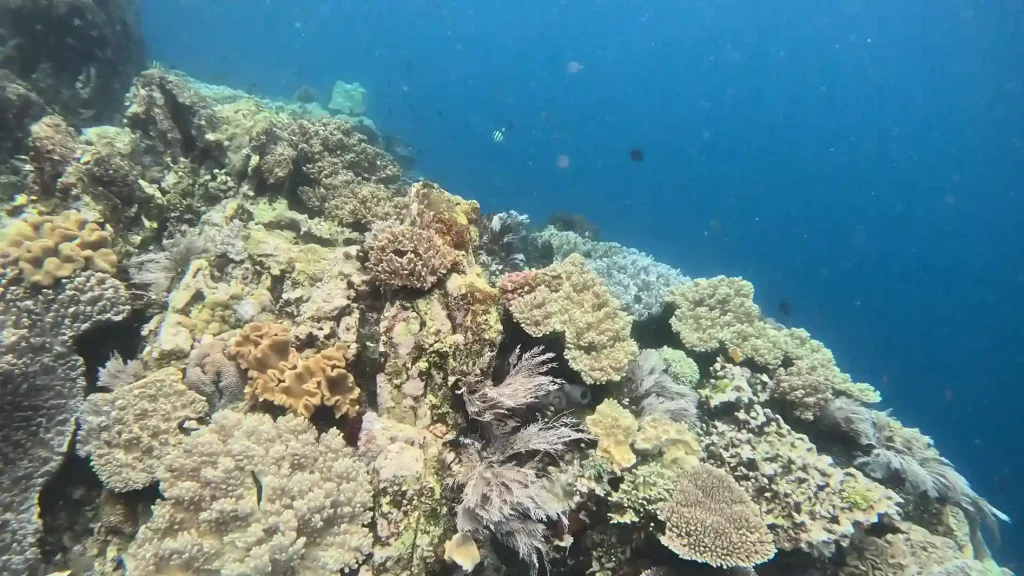
The prime diving season in Komodo National Park spans from April to November. During these months, divers can expect generally calm seas and clear visibility, ideal for exploring the lively underwater landscapes. The park includes world-renowned dive sites like Batu Bolong, Castle Rock, and Crystal Rock, which are teeming with marine life and present a range of underwater terrains from walls to pinnacles.
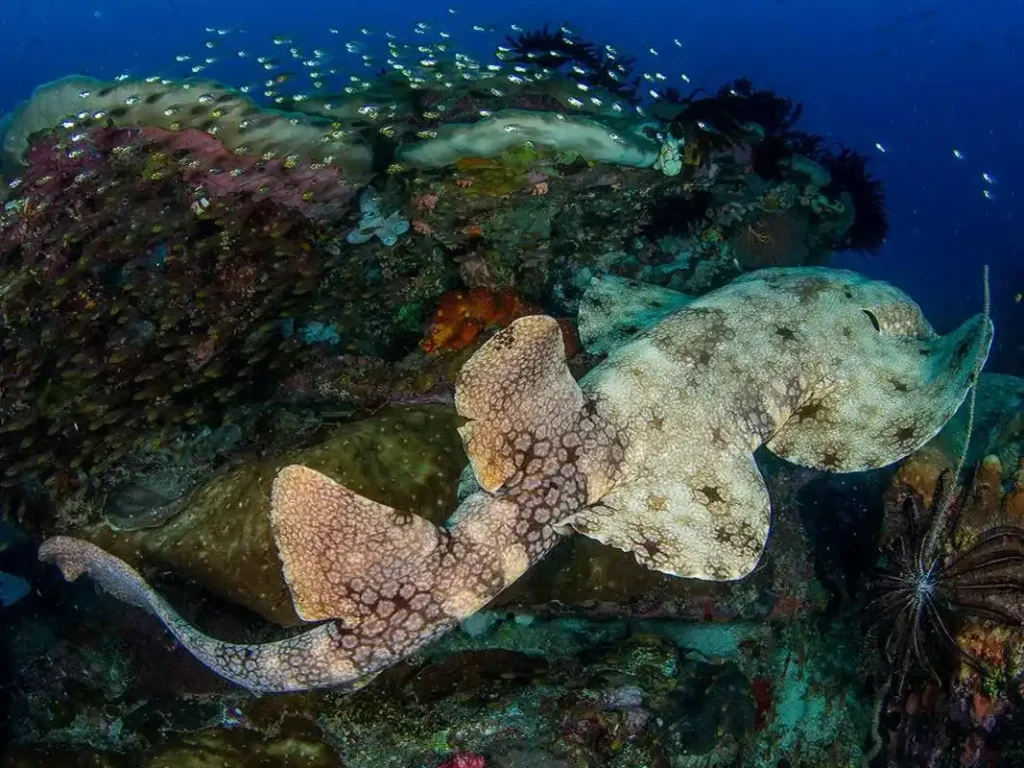
April through June is particularly favorable for underwater photography, as plankton levels are moderate, enhancing water clarity. During this period, Padar Island offers remarkable sunsets that complement the diving experience. July to September features slightly cooler water temperatures, which attract large schools of fish and increase the chance of encountering pelagic species, including grey reef and bamboo sharks. October and November round out the season with warm waters and busy marine activity, making them perfect for both novice and experienced divers.
Manta Window: When to See Manta Rays
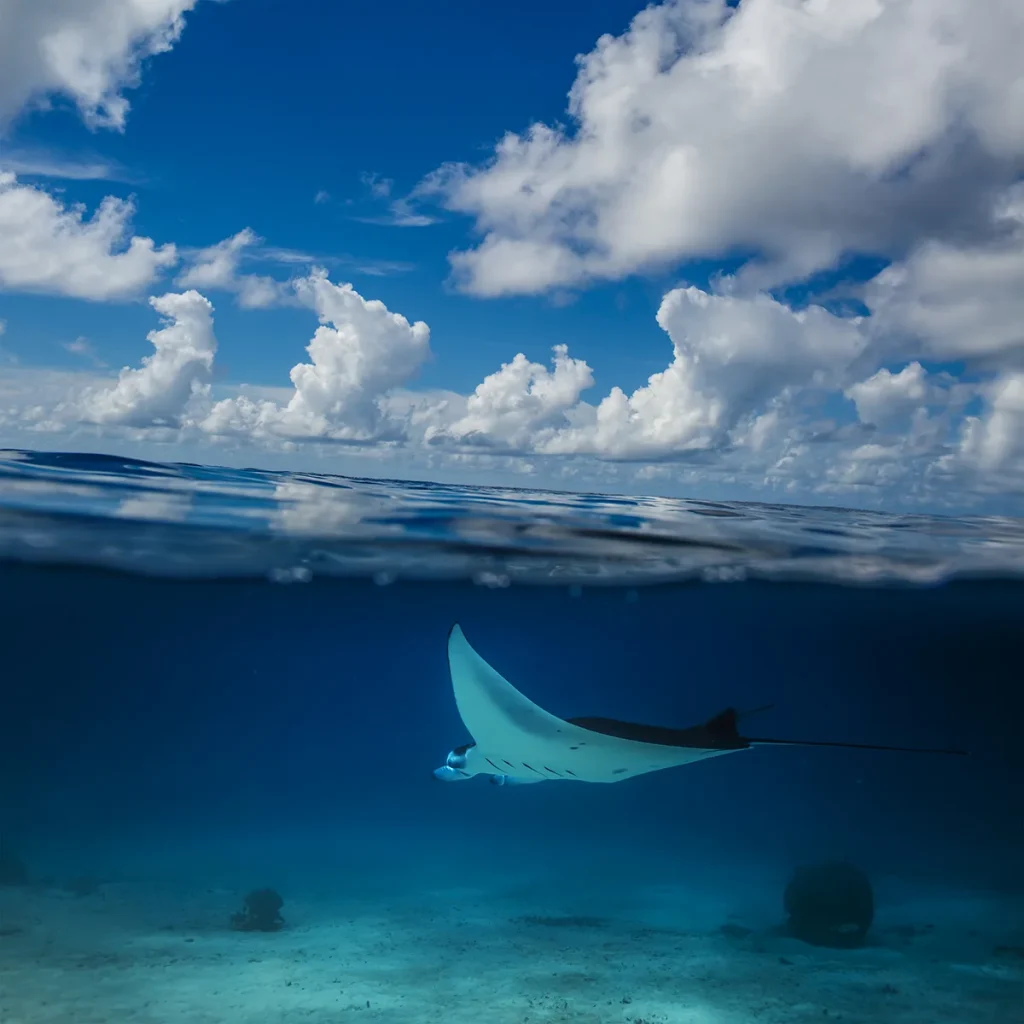
Manta rays are one of the main attractions for divers visiting Komodo National Park. The most reliable season for spotting these gentle giants at the park’s cleaning stations is from December to March. Manta Point, also known as Karang Makassar, is a popular site where divers can witness these rays gracefully gliding through the water.
During the manta season, guided dives at Komodo’s cleaning stations often result in memorable encounters with these grand creatures as they come to be cleaned by smaller fish. These interactions are particularly frequent at Siaba and Mawan, where the conditions are generally more predictable. However, divers should be prepared for rough sea conditions and potential schedule adjustments by operators during this period.
When the Seas Get Rough: Off-Season
From January to March, the seas around Komodo can get quite rough, particularly at exposed crossing points. These conditions can lead to reduced schedules for some liveaboard operators, and it is crucial for divers to plan accordingly. While the chance to see manta rays is high, the weather can affect the accessibility of certain dive sites.
Divers planning trips during these months should be flexible with their itineraries and prioritize safety. The park’s more protected sites, such as Siaba and Mawan, offer gentler conditions and are less affected by strong currents, making them a viable alternative for those seeking to dive during the off-season. Operators often recommend visiting during clear weather windows, maximizing the chance for calm conditions.
Diver Fees and Park Regulations
The Komodo National Park has structured its fees to ensure sustainable tourism. For divers, the total fee is IDR 300,000 per person per day, breaking down into IDR 250,000 for marine-park entry, a IDR 25,000 diver surcharge, and a IDR 25,000 harbour fee. This amounts to approximately USD 18-19, depending on the exchange rate.
Non-diving visitors pay a lower fee of IDR 250,000 per person per day. Additionally, organized trekking tours on Komodo and Rinca Islands involve an extra fee of IDR 200,000 per group, accommodating up to five people. Padar Island treks are slightly less costly at IDR 150,000 per group, allowing tourists to explore the striking landscapes and iconic viewpoints. These treks provide striking opportunities to observe the island’s unique biodiversity, including the iconic Komodo dragons.
Highlights of a Komodo Liveaboard Route
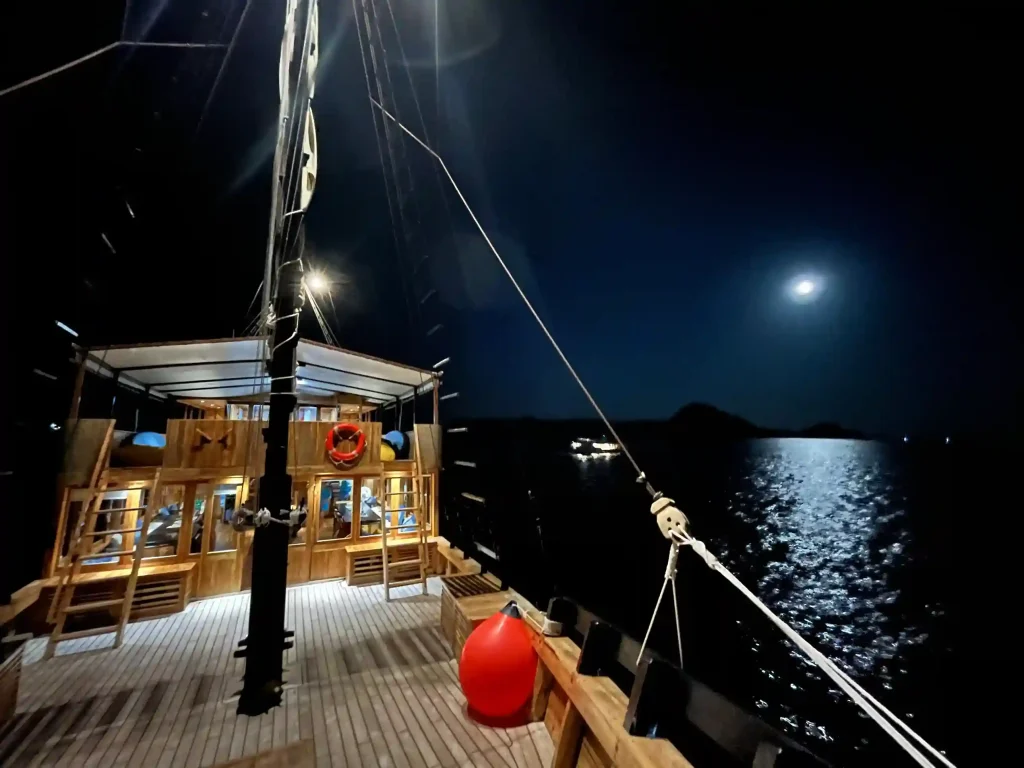
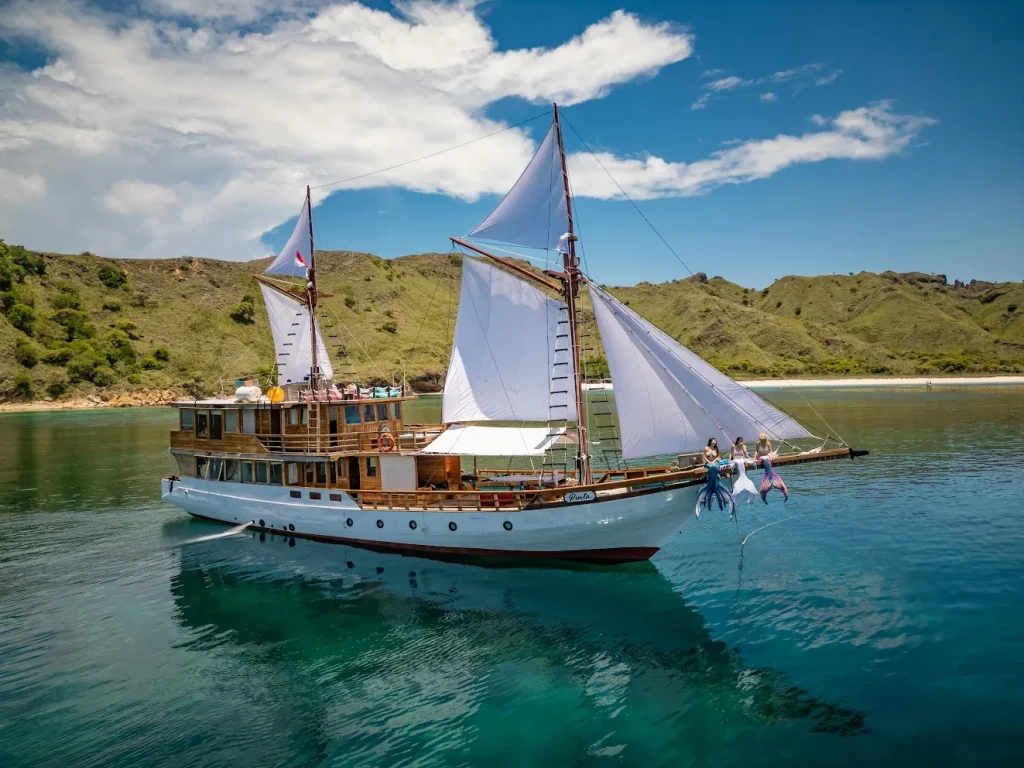
Liveaboard trips departing from Labuan Bajo offer a comprehensive tour of Komodo’s striking sites. These itineraries typically include stops at must-visit locations such as Padar Island, famous for its panoramic views, and Pink Beach, known for its unique sand coloration. Komodo and Rinca Islands are popular for their trekking routes and opportunities to observe the famed Komodo dragons in their natural habitat.
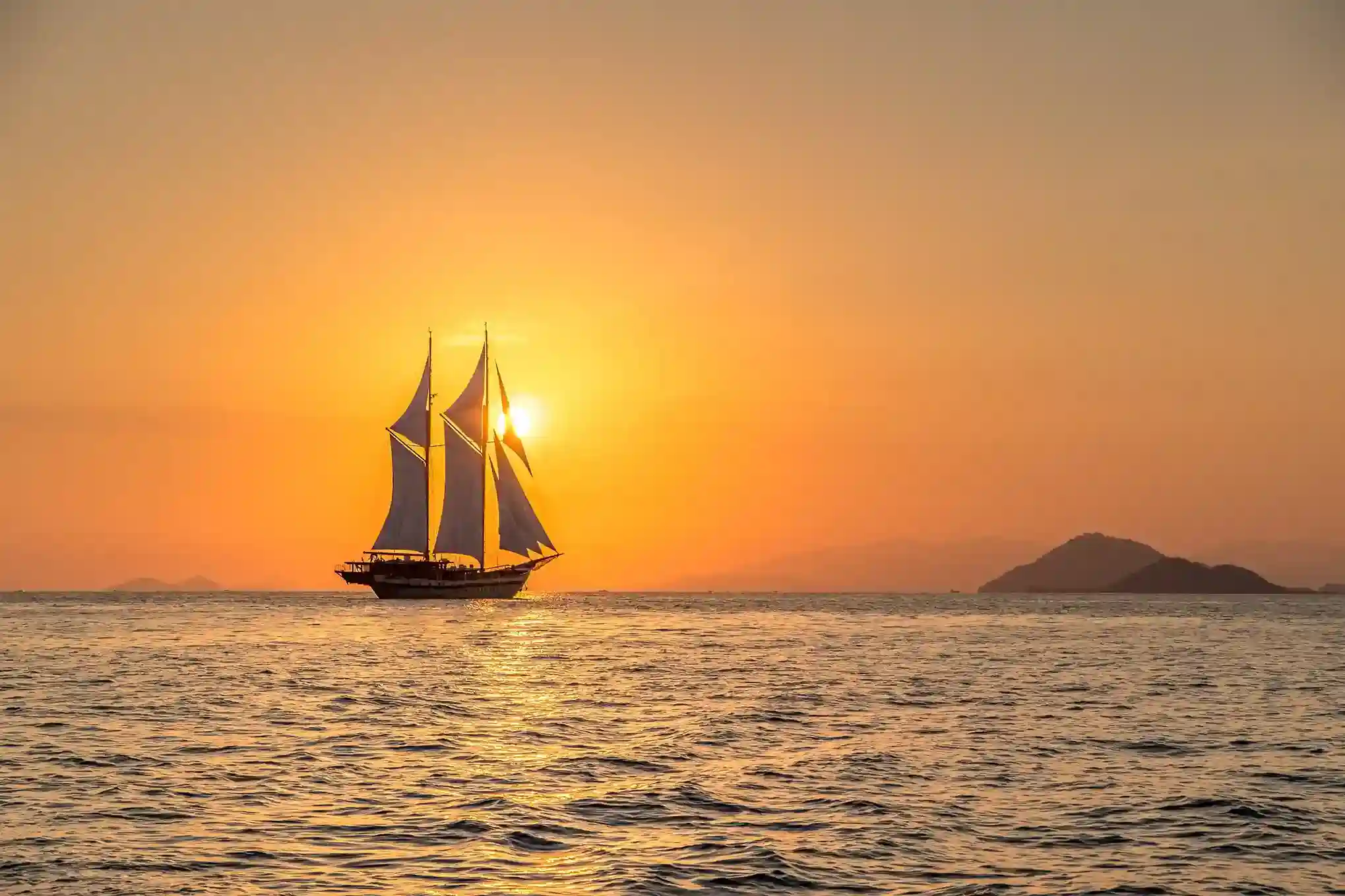
In addition to diving, liveaboard routes often feature snorkeling stops at Kanawa and Taka Makassar, where lively reefs and diverse marine life can be admired. Evening visits to Gili Lawa Darat and Gili Lawa Laut provide the chance to watch the sunset over the dramatic landscapes, rounding off a day filled with exploration and adventure. These stops are carefully selected to showcase the best of what Komodo has to offer, from lively coral gardens to sweeping island vistas.
Planning Your Komodo Diving Adventure
When booking a liveaboard trip in Komodo, divers should consider the season and conditions, as well as the specific dive sites on their wish list. Batu Bolong, Castle Rock, and Shotgun are renowned for their thrilling drift dives and abundant sea life, while sites like Siaba and Mawan offer calmer waters ideal for all skill levels.
Trip prices can vary based on the duration and amenities offered by the liveaboard. However, the rich biodiversity and unique experiences provided by Komodo National Park make it a worthwhile investment for divers seeking a memorable underwater adventure in 2027. It is advisable to book in advance, especially during peak season, to secure preferred itineraries and accommodations.
FAQs
Q? How much does it cost to dive in Komodo National Park? A: The total fee for divers in Komodo National Park is IDR 300,000 per person per day, which includes marine-park entry, diver surcharge, and harbour fees, equivalent to approximately USD 18-19.
Q? When is the best time to see manta rays in Komodo? A: The most reliable season for spotting manta rays is from December to March, although sea conditions can be rough during these months.
Q? What are some must-visit dive sites in Komodo? A: Renowned dive sites in Komodo include Batu Bolong, Castle Rock, Crystal Rock, and Manta Point. These sites offer diverse marine life and underwater landscapes for divers of various skill levels.
For wider arrangements, our partner labuanbajoluxury can coordinate end to end.
See also: Diving Castle Rock & Crystal Rock: Komodo’s Current-Heavy Pinnacles Explained (2027), Manta Point Komodo: Where & When to Dive Karang Makassar with Giant Mantas in 2027 · Home.

 Komodo Diving Guides