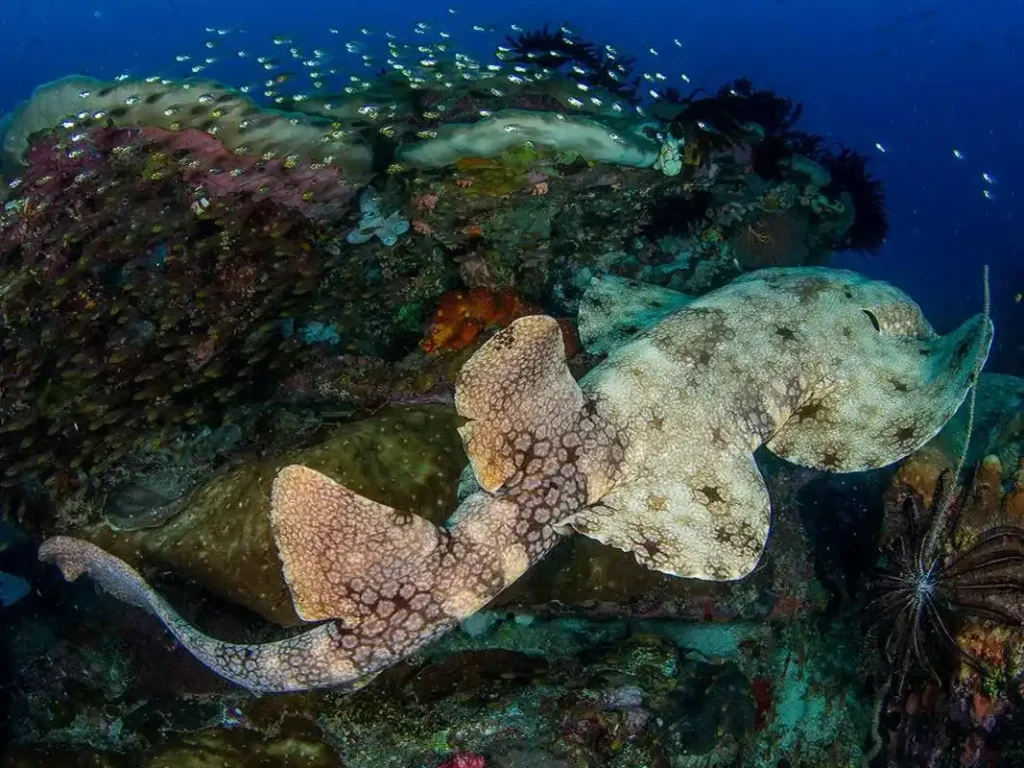
Explore the exhilarating experience of diving at Manta Point, Komodo’s renowned site for observing the grand giant mantas at Karang Makassar. The best time to visit spans December to March, aligning with the peak manta ray season, and offers a unique underwater adventure unlike any other.
Understanding Manta Point and Karang Makassar
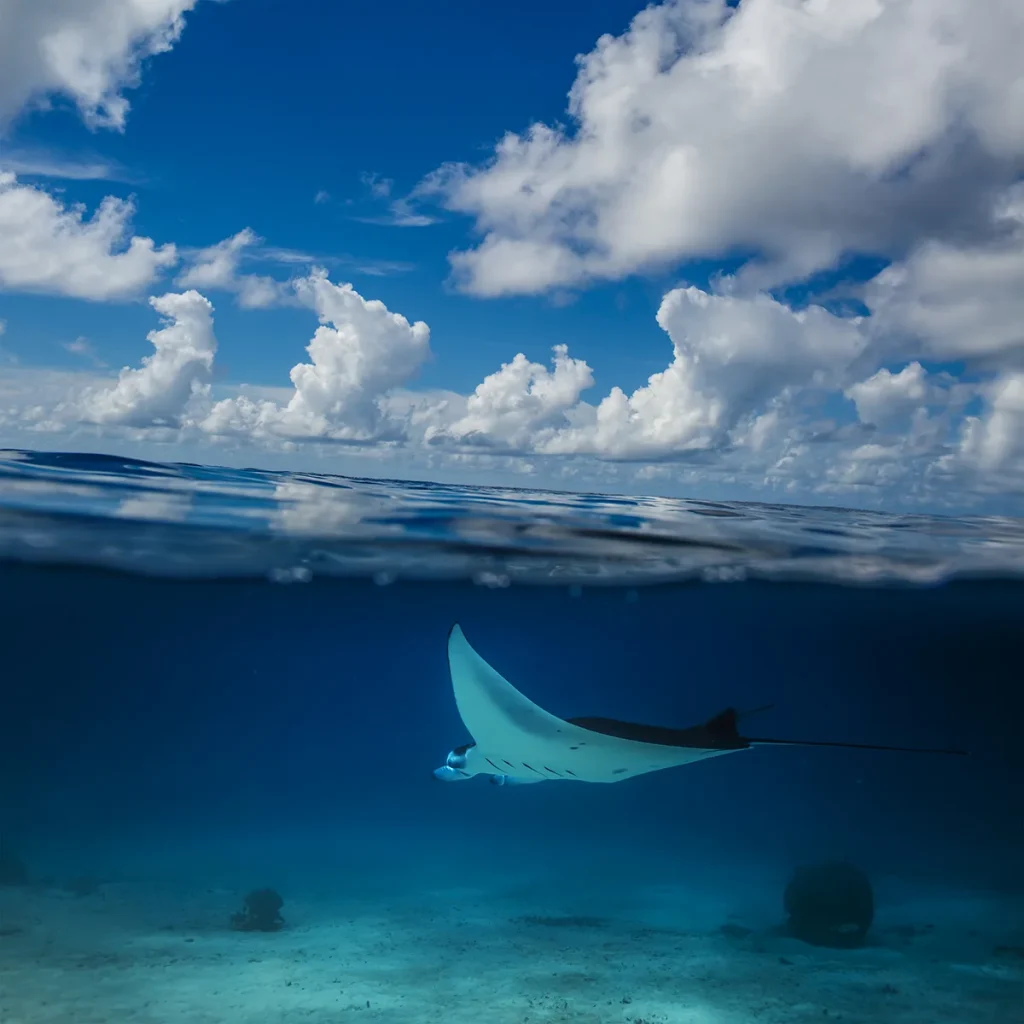
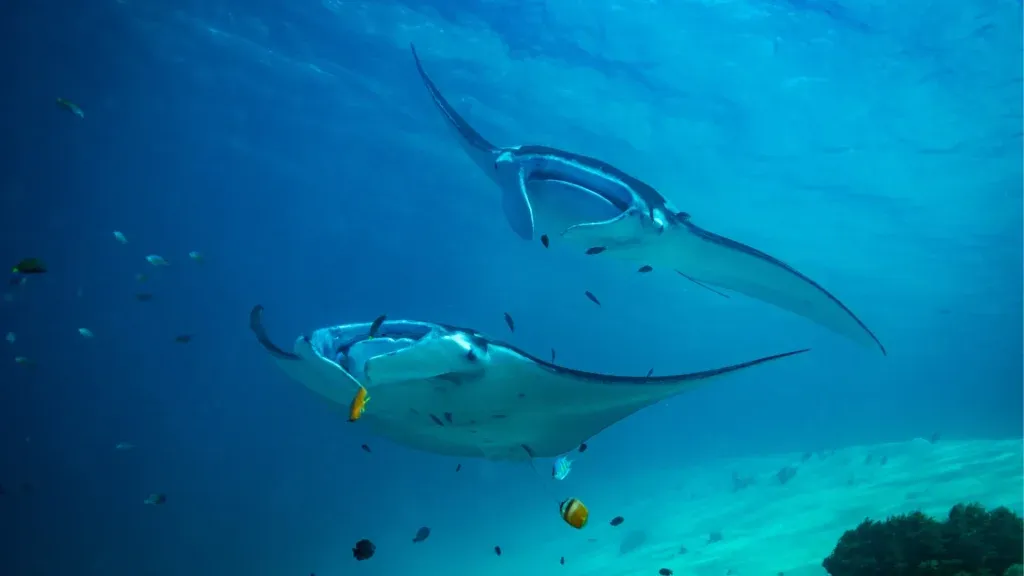
Manta Point, also known as Karang Makassar, is one of Komodo National Park’s most legendary dive sites. Known for its strong currents and abundant marine life, this site attracts divers from around the globe eager to witness the magnificent manta rays gliding gracefully through the waters. The site itself is a long reef with a sandy bottom, making it an ideal cleaning station where mantas come to be cleaned by smaller fish.
The unique topography of Karang Makassar allows divers to float along with the current and enjoy a spectacular display of marine biodiversity. Besides mantas, divers can encounter other species such as bumphead parrotfish, napoleon wrasse, and various schools of fish. The site’s dynamic environment makes each dive an exciting and unpredictable adventure.
If you prefer a surface-interval-friendly schedule, a dedicated Komodo boat tour can pair Manta Point with Padar and Pink Beach in a single route.
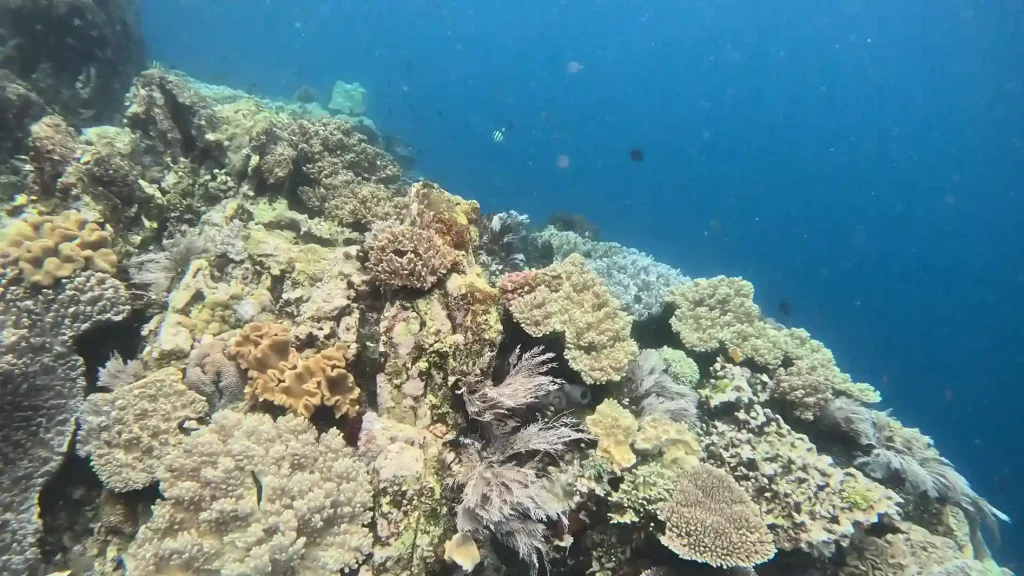
Adding to the allure of Karang Makassar, the location is not just about the mantas. It serves as a lively underwater ecosystem where divers can experience the thrill of spotting moray eels, cuttlefish, and the occasional turtle. The interplay of light through the clear waters during the dive can be mesmerizing, providing a visual feast against the backdrop of colorful corals.
Komodo National Park, where Manta Point is located, is recognized as a UNESCO World Heritage site. This designation highlights its global ecological significance and the reason for stringent conservation measures, including the diver fees which support efforts to maintain the park’s notable condition. The park’s management emphasizes sustainability, ensuring that diving here contributes to preserving its natural wonders.
When to Dive at Manta Point
While diving in Komodo is possible year-round, the best time to dive at Manta Point is between December and March. During these months, the waters around Komodo are busy with manta rays visiting the cleaning stations. This period coincides with the wet season, bringing plankton-rich waters and consequently, more manta sightings. However, divers should be prepared for occasional rough seas due to the weather.
From April to November, the overall diving conditions in Komodo improve, with calmer seas and excellent visibility. However, manta sightings are less reliable than in the peak season. Many operators continue to run liveaboard trips throughout this period, making it an ideal time for those wanting to experience Komodo’s other famous dive sites without the crowds.
The unpredictability of weather patterns during the off-peak manta season can result in sudden changes in underwater conditions, affecting visibility and current strength. Despite this, the allure of exploring Komodo’s rich marine life draws divers seeking diverse encounters beyond manta rays, such as encounters with pelagic species and lively coral gardens.
Liveaboard operators often adjust their itineraries based on the season, optimizing dive schedules to match the best conditions and wildlife activity. This flexibility ensures that even outside the peak manta months, divers can enjoy a fulfilling experience, exploring hidden gems and less frequented sites within the park.
Planning Your Dive: Costs and Logistics
Diving at Manta Point, like all activities in Komodo National Park, requires payment of park entrance fees. As of 2026-2027, the daily fees for divers are IDR 300,000 per person, which covers the marine-park entry, a diver surcharge, and a harbor fee. For non-diving visitors, the fee is IDR 250,000. These fees contribute to the preservation of the park and its diverse ecosystems.
In addition to park fees, divers need to consider costs associated with liveaboard tours, which vary depending on the operator, duration, and level of luxury. Generally, a liveaboard trip can range from USD 150 to over USD 500 per night. It is advisable to book well in advance, especially during the peak manta season, to secure a spot on a reputable liveaboard.
Travelers should also budget for additional expenses such as equipment rental, which can range from USD 30 to 50 per day. Considering potential travel costs to Labuan Bajo, the access point to Komodo, is crucial, as flights from major Indonesian cities like Jakarta or Bali typically range from USD 100 to 150 round-trip. These costs, while adding up, are investments in experiencing one of the world’s most acclaimed diving locations.
Komodo National Park’s PNBP (state revenue non-tax) fee structure underscores the importance of sustainable tourism. The fees collected directly support conservation and management efforts, ensuring that the park remains a viable habitat for its diverse wildlife in the face of increasing tourist numbers.
Exploring Beyond Manta Point
While Manta Point is a highlight, Komodo National Park offers numerous other exceptional dive sites. Sites such as Batu Bolong, Castle Rock, and Crystal Rock are renowned for their lively coral gardens and abundant fish life, including grey reef and bamboo sharks. These sites provide a different challenge with their strong currents and dramatic underwater landscapes.
For those seeking a gentler experience, Siaba and Mawan offer more relaxed conditions, with the chance to see turtles and smaller manta rays. Divers who venture south to sites like Cannibal Rock are rewarded with unique macro life and the chance to see rare critters. Each site offers a distinct underwater experience, making Komodo a versatile diving destination.
The variety within Komodo’s dive sites caters to diverse interests, whether divers are chasing adrenaline-pumping currents or macro photographers seeking elusive species. Tatawa Besar and Tatawa Kecil, for example, offer drift dives that are both exciting and accessible to divers of varying experience levels, showcasing lively reefs teeming with life.
For those interested in larger pelagic species, The Cauldron/Shotgun offers thrilling encounters where divers can witness the dynamic interactions between predators and prey. The ever-changing underwater topography at these sites enhances the adventure, inviting divers to explore new corners with each visit.
Complementary Adventures in Komodo
A visit to Komodo National Park is not complete without experiencing its famous terrestrial attractions. Trekking on Komodo Island and Rinca Island offers the chance to see the infamous Komodo dragons in their natural habitat. The ranger-guided trek fees are IDR 200,000 per group of up to five people on these islands.
Padar Island, with its iconic viewpoint, is a must-visit for striking panoramic views, and the trek fee here is IDR 150,000 per group. Other popular stops include the picturesque Pink Beach and Kanawa Island, known for their crystal-clear waters, perfect for snorkeling and relaxation. These stops are often included in liveaboard itineraries, providing a balanced mix of diving and land-based exploration.
Visitors to Komodo can also enjoy in cultural experiences in nearby Labuan Bajo, where local markets offer authentic Indonesian cuisine and crafts. Exploring the town before or after a diving trip can provide insight into local life, adding a cultural dimension to the adventure.
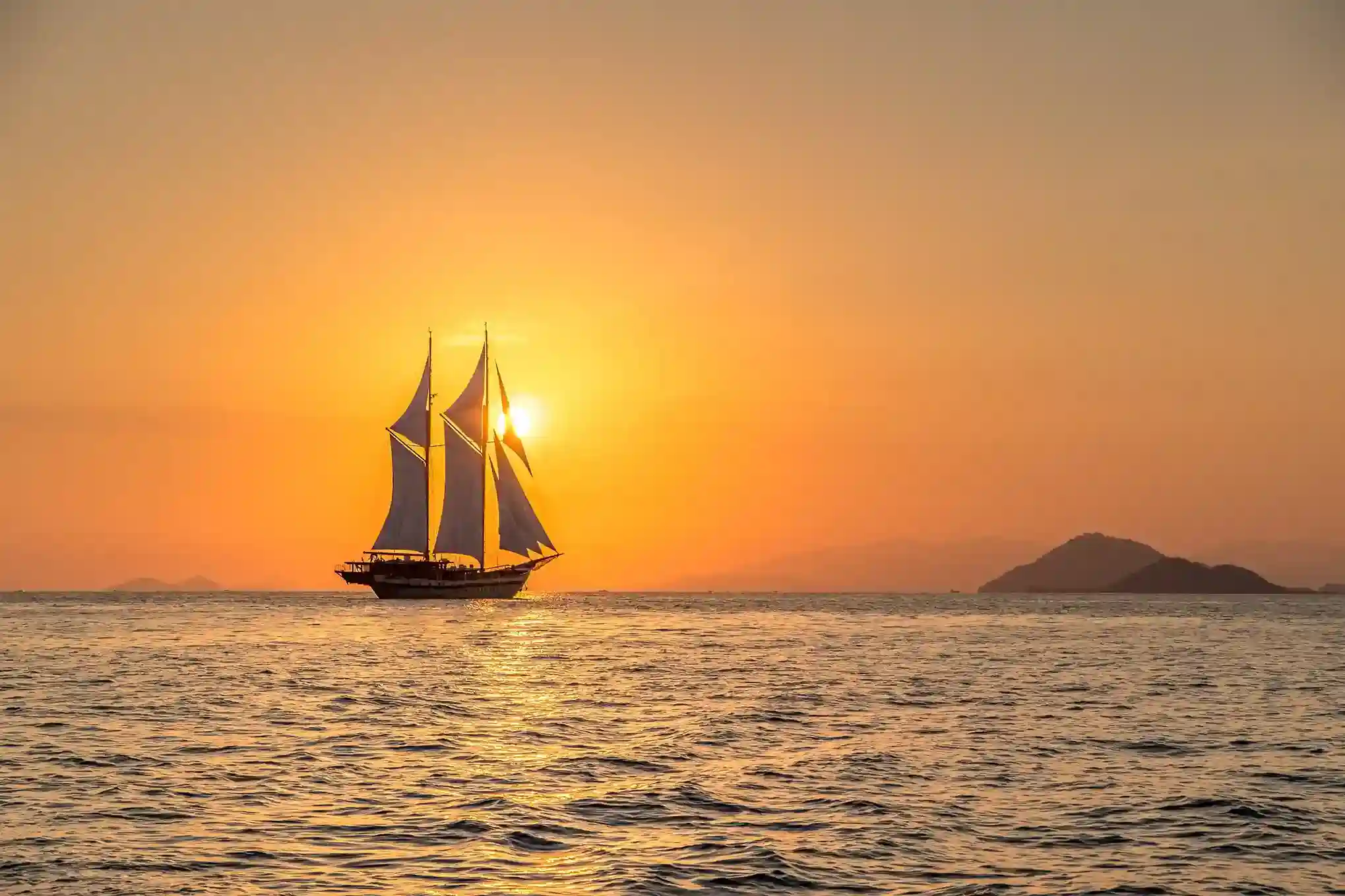
The sunset views from Gili Lawa Darat, often part of liveaboard itineraries, provide the perfect ending to a day of exploration, with remarkable vistas over the Flores Sea. Whether one is on a diving trip or a land-based adventure, Komodo National Park and its surroundings offer an blend of natural beauty and cultural richness.
The Pinta Liveaboard Experience
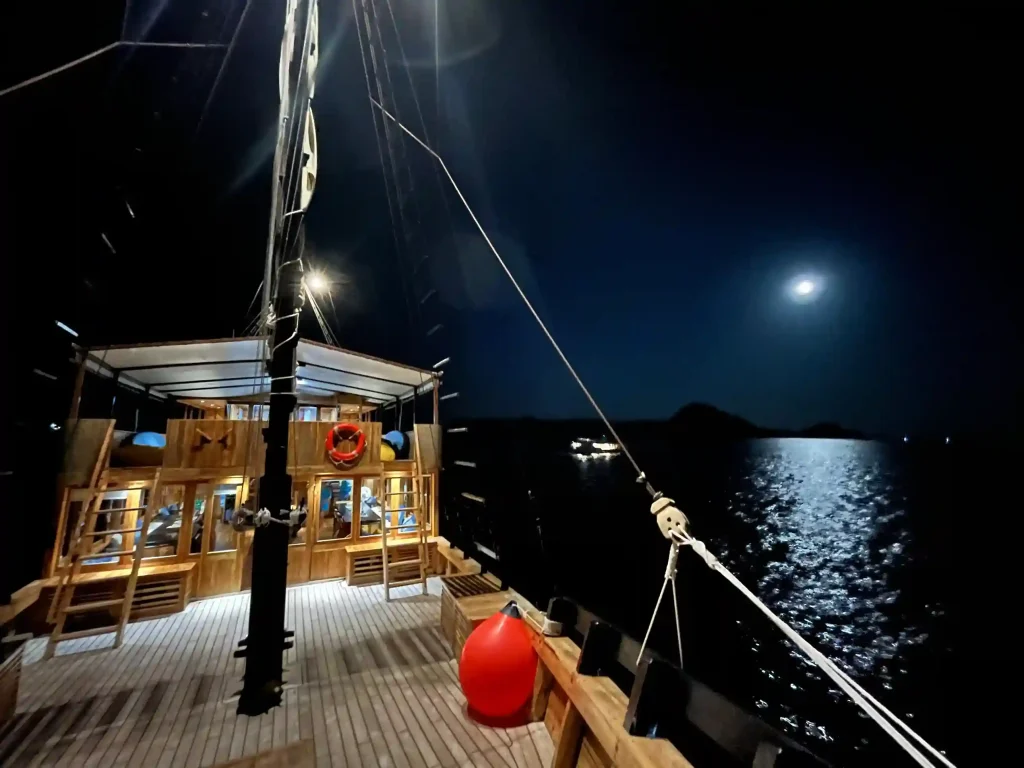
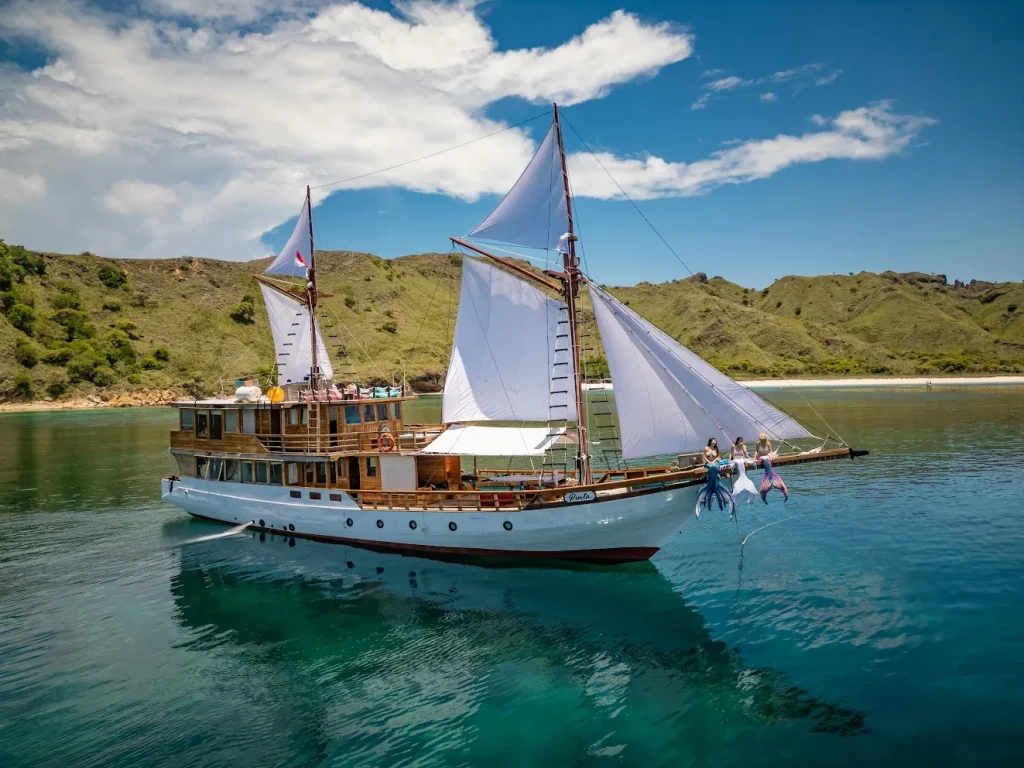
Choosing the right liveaboard can greatly enhance your Komodo adventure. Pinta Liveaboard stands out with its commitment to providing a high-quality experience, combining comfort with adventure. Offering spacious cabins, delicious meals, and experienced dive guides, Pinta Liveaboard ensures that each trip is not only safe but also enjoyable.
Whether you are an experienced diver or a beginner, Pinta Liveaboard’s itineraries are designed to cater to all levels, allowing guests to explore Komodo’s underwater wonders at their own pace. With a focus on safety and sustainability, the crew is dedicated to preserving the natural beauty of Komodo while offering a memorable diving experience.
Pinta Liveaboard prides itself on providing personalized service, adapting itineraries to suit the preferences and skill levels of its guests. The vessel is equipped with modern amenities, including air-conditioned cabins and a sundeck for relaxation, ensuring comfort during multi-day excursions.
In addition to diving, Pinta Liveaboard offers various activities such as kayaking and snorkeling, allowing guests to experience the diverse ecosystems of Komodo National Park from different perspectives. This holistic approach to adventure ensures a comprehensive and fulfilling exploration of this remarkable destination.
FAQs
Q? When is the best time to see manta rays at Manta Point, Komodo? A: The optimal time to see manta rays at Manta Point is during the months of December to March. This period coincides with the wet season, bringing nutrient-rich waters that attract these grand creatures to the cleaning stations at Karang Makassar.
Q? What are the costs associated with diving at Komodo National Park in 2027? A: Divers visiting Komodo National Park in 2027 can expect to pay IDR 300,000 per day. This fee includes the marine-park entry, diver surcharge, and harbor fee. Non-divers pay a reduced fee of IDR 250,000. Additional costs include liveaboard bookings, which vary by operator.
Q? What other activities can I enjoy in Komodo National Park besides diving? A: Beyond diving, Komodo National Park offers ranger-guided treks on Komodo and Rinca Islands to see the Komodo dragons. Visitors can also enjoy the panoramic views from Padar Island, snorkeling at Pink Beach, and relaxing on the beaches of Kanawa Island. These activities provide a comprehensive exploration of the park’s natural beauty.
For wider arrangements, our partner labuanbajoluxury can coordinate end to end.
See also: 11 Best Komodo Dive Sites in 2027: Batu Bolong, Castle Rock & Crystal Rock Ranked, Diving Castle Rock & Crystal Rock: Komodo’s Current-Heavy Pinnacles Explained (2027) · Home.

 Komodo Diving Guides