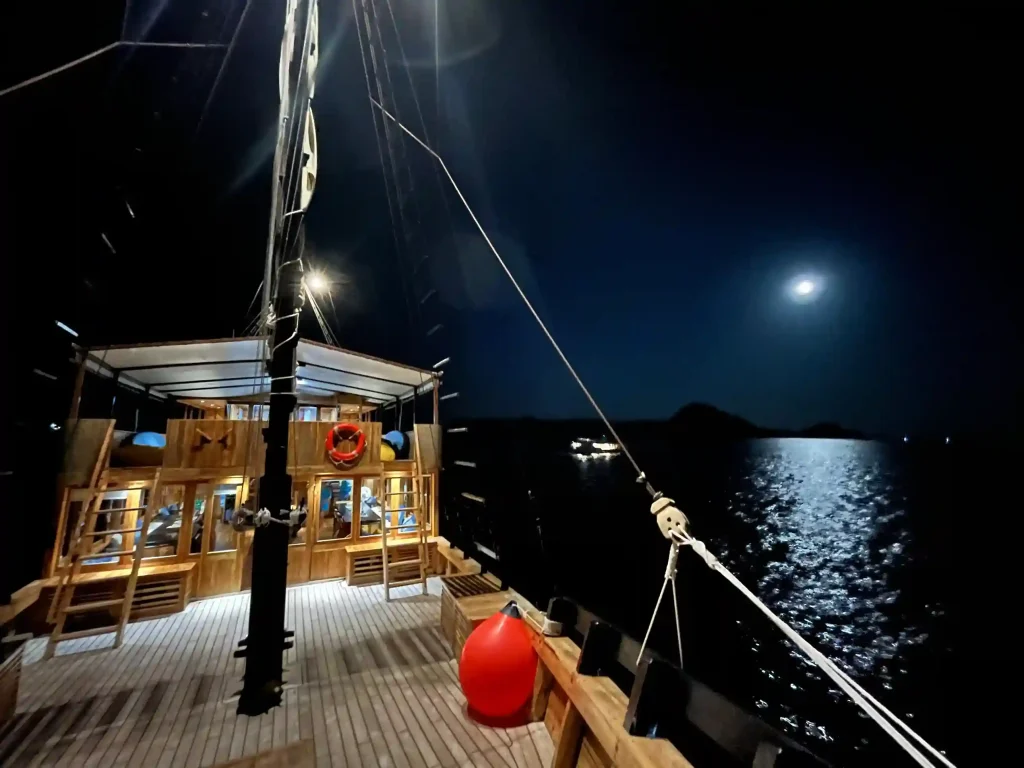
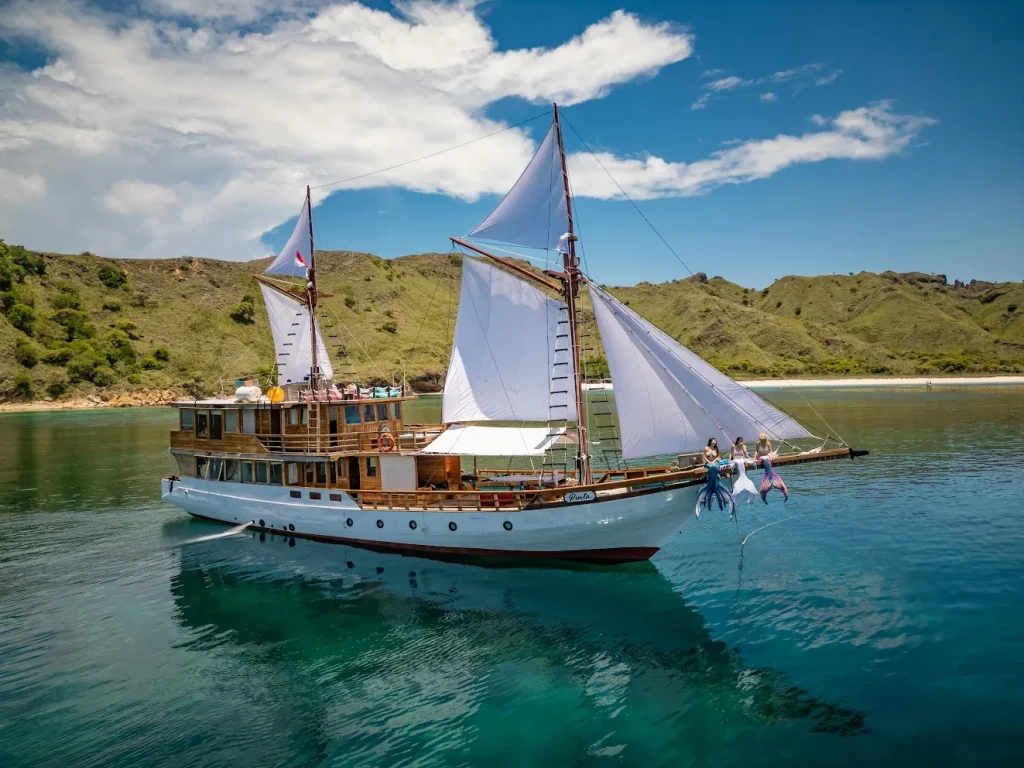
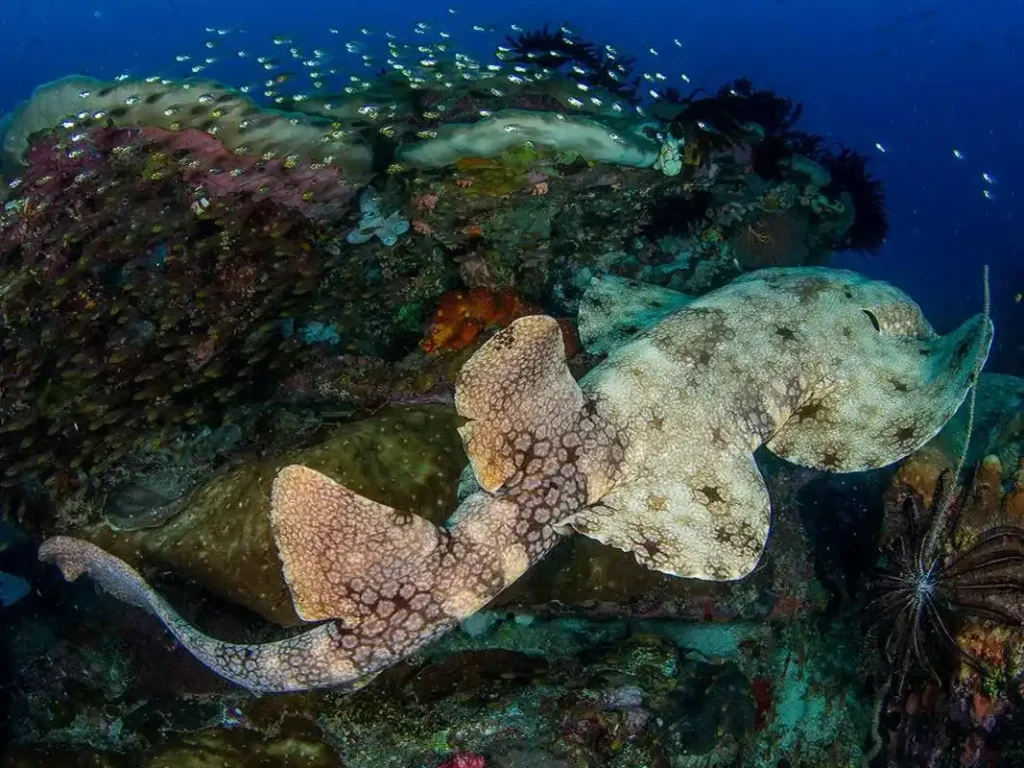
Explore the thrilling diving experiences at Castle Rock and Crystal Rock in Komodo National Park with Pinta Liveaboard. These current-heavy pinnacles offer divers the chance to witness a lively underwater ecosystem, including grey reef sharks and colorful coral formations. Understand the dynamics of these sites as you prepare for an exhilarating dive adventure in Komodo’s renowned waters.
The Diving Experience at Castle Rock
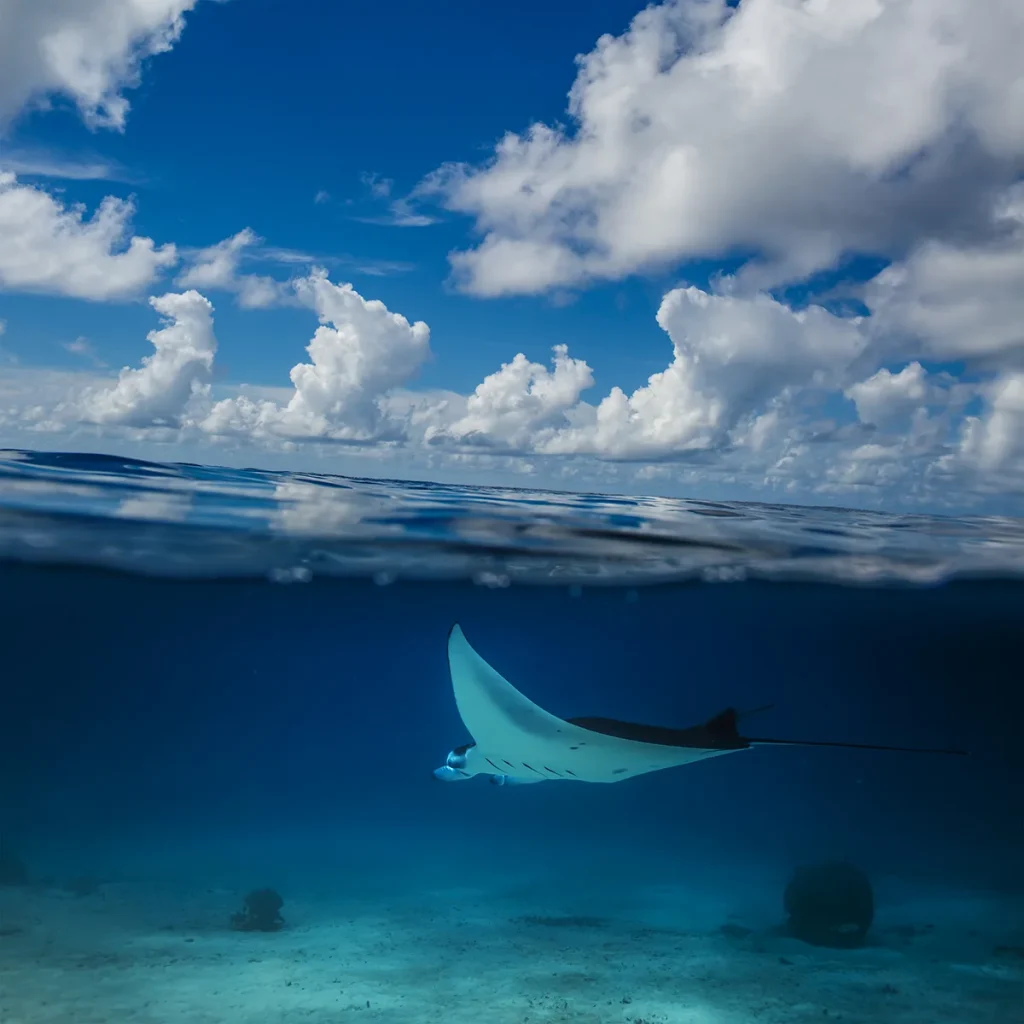
Castle Rock is one of the most famous dive sites in Komodo National Park, renowned for its strong currents which bring an abundance of marine life. The pinnacle rises from the depths, attracting species that thrive in the nutrient-rich water. Divers can expect to see schools of jacks, barracudas, and even the occasional manta ray gliding by. This site requires advanced diving skills due to the swift currents and the need for precise buoyancy control.
Diving at Castle Rock is best scheduled for the early morning when marine life is most active. As you descend, the underwater landscape opens up, revealing a picturesque view of corals and sponges swaying with the current. Grey reef sharks are a common sight here, patrolling the waters around the pinnacle. For those looking for a challenge, Castle Rock offers a rewarding dive that combines spectacular marine life with the thrill of navigating through dynamic water conditions.
Understanding Crystal Rock
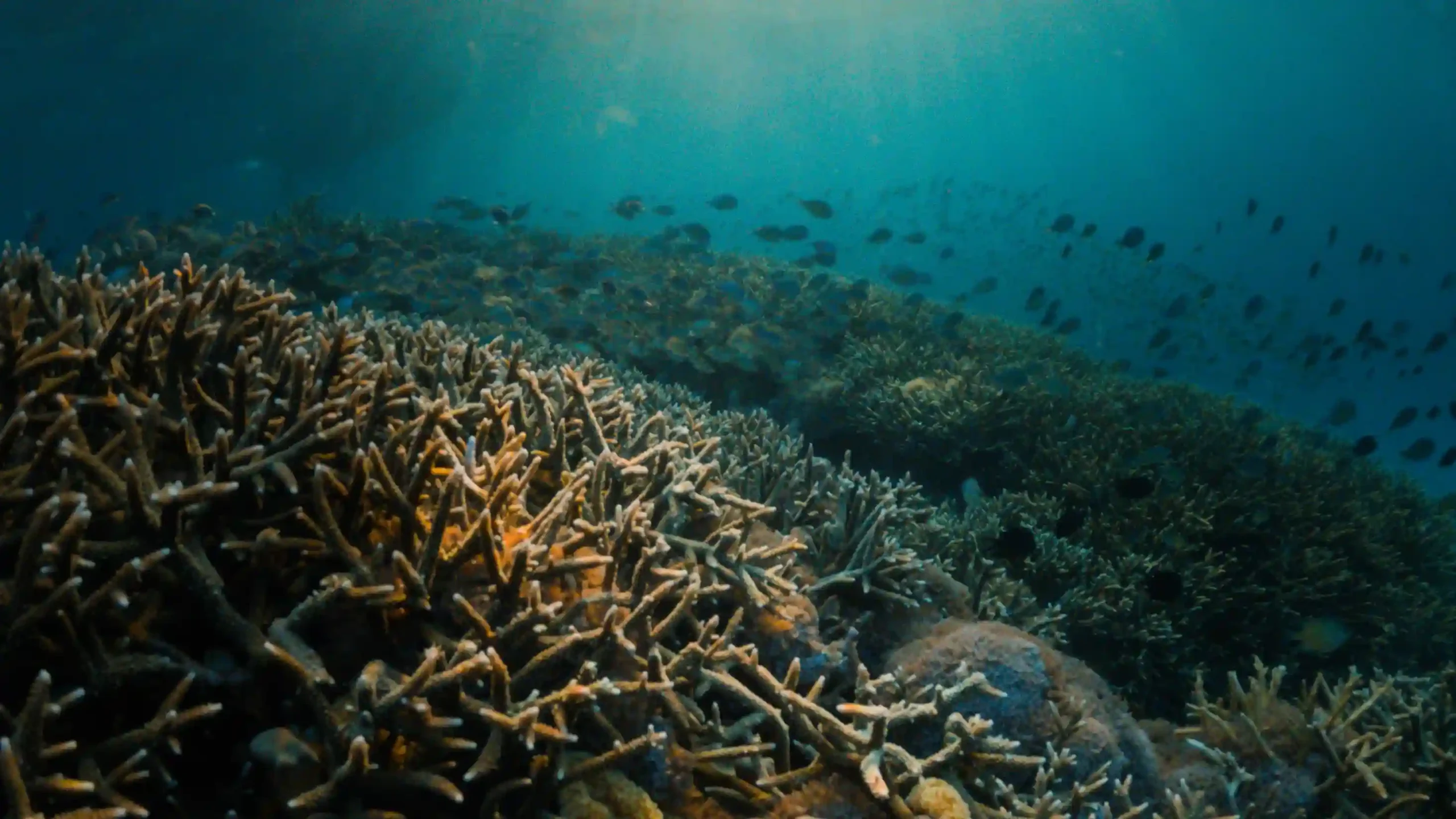
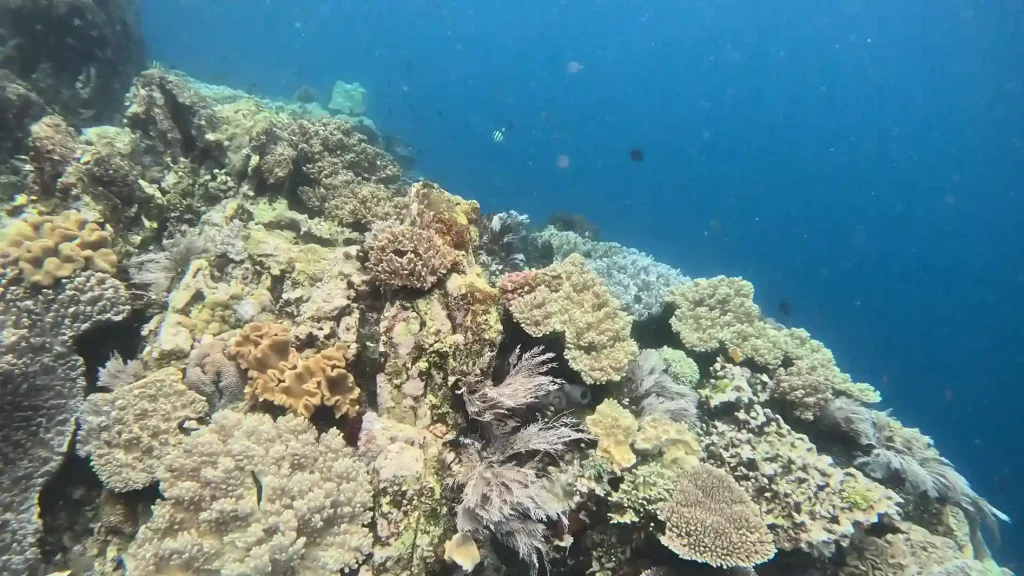
Crystal Rock is another pinnacle dive site that stands out for its lively coral gardens and the myriad of life that inhabits them. Like Castle Rock, Crystal Rock is subject to strong currents that bring nutrients from the depths, supporting a diverse ecosystem. Divers visiting Crystal Rock can expect encounters with white-tip reef sharks, Napoleon wrasse, and a variety of colorful reef fish.
One of the highlights of diving at Crystal Rock is the chance to witness the symbiotic relationships among marine species. The site is home to numerous cleaning stations where fish gather to be groomed by cleaner wrasse. Observing these interactions provides insights into the complex underwater ecosystems. Crystal Rock is best dived at slack tide when currents are manageable, allowing divers more time to explore the intricate coral formations and enjoy the lively marine life.
Diving Conditions and Recommendations
Diving at Castle Rock and Crystal Rock requires careful preparation and an understanding of the local conditions. The currents at these sites can be unpredictable and strong, making them suitable for experienced divers who are comfortable with drift diving. It’s essential to have a guide familiar with the area, as their knowledge of the currents and marine life enhances the diving experience and ensures safety.
Visibility at both sites can range from 15 to 30 meters, depending on the season and weather conditions. The best diving months in Komodo are from April to November, when the weather is more stable, and the seas are calmer. However, divers visiting during the manta season from December to March can enjoy the added excitement of potential manta ray sightings at nearby cleaning stations.
Komodo National Park Fees and Regulations
Visiting Komodo National Park requires adherence to specific fees and regulations to support the conservation of its unique marine and terrestrial environments. As of 2027, divers are required to pay a total of IDR 300,000 per day, which includes the marine-park entry fee, diver surcharge, and harbor fee. Non-diving visitors pay IDR 250,000 per person per day for park entry.
For those interested in exploring the terrestrial side of Komodo, guided treks are available on Komodo Island and Rinca Island, with fees charged per group. The regulation of these fees ensures that the park’s natural beauty and biodiversity are preserved for future generations. Visitors are encouraged to respect the park’s guidelines and contribute to the ongoing conservation efforts through responsible diving practices.
Liveaboard Routes and Itineraries
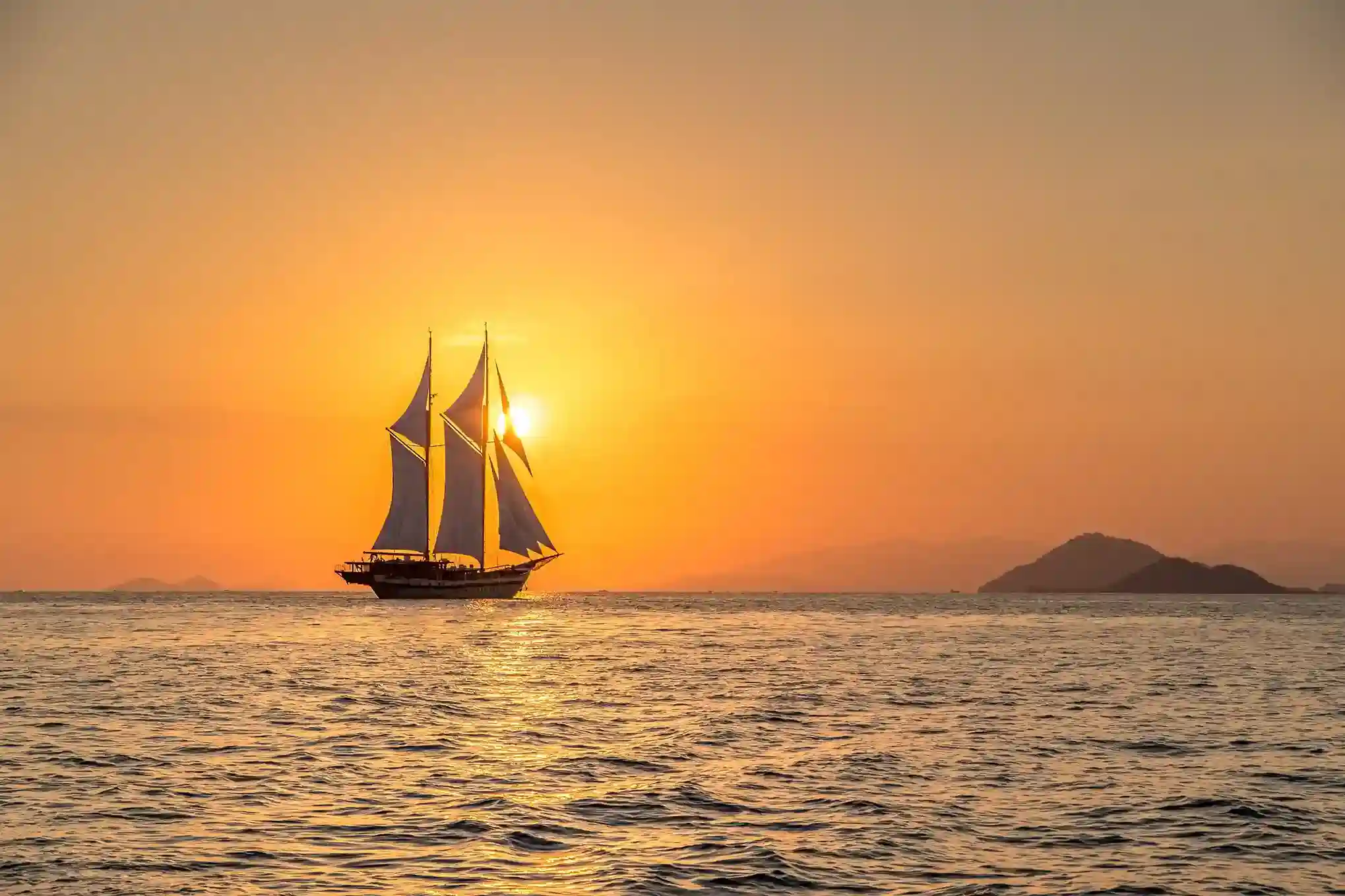
Pinta Liveaboard offers a comprehensive experience of Komodo National Park, showcasing both its underwater and terrestrial wonders. The standard route includes key diving sites like Castle Rock and Crystal Rock, as well as stops for snorkeling and trekking. Divers can explore the rich biodiversity of sites such as Batu Bolong, Shotgun/The Cauldron, and Manta Point, each offering a unique glimpse into Komodo’s marine life.
In addition to diving, the itinerary features land excursions to places like Padar Island, known for its remarkable views, and Komodo Island, home to the famous Komodo dragons. The combination of diving and trekking provides a holistic view of Komodo’s natural environment, allowing guests to appreciate the diversity and beauty of the park both above and below water.
Planning Your Dive Trip with Pinta Liveaboard
When planning a dive trip with Pinta Liveaboard, it’s important to consider the timing and duration of your stay in Komodo National Park. The best time to visit is during the dry season from April to November, when conditions are optimal for diving and cruising. However, those interested in manta ray encounters should consider visiting during the manta season from December to March.
Pinta Liveaboard provides all necessary equipment and guidance for a safe and enjoyable diving experience. With a focus on boutique service and personalized itineraries, guests can expect a memorable journey through one of the world’s most renowned marine parks. Advanced booking is recommended, especially during peak seasons, to secure a spot on this highly sought-after adventure.
FAQs
Q? What level of diving experience is recommended for Castle Rock and Crystal Rock?
A Both Castle Rock and Crystal Rock are best suited for advanced divers due to their strong currents and complex conditions. Experience with drift diving and buoyancy control is highly recommended.
Q? How much are the daily fees for diving in Komodo National Park?
A The total fee for divers is IDR 300,000 per day, including the marine-park entry, diver surcharge, and harbor fee. Non-divers pay IDR 250,000 for the marine-park entry per day.
Q? When is the best time to dive in Komodo National Park?
A The optimal time for diving in Komodo is from April to November when the weather is dry, and sea conditions are calm. For those interested in manta rays, December to March offers the best chances for sightings.
For wider arrangements, our partner labuanbajoluxury can coordinate end to end.
See also: 11 Best Komodo Dive Sites in 2027: Batu Bolong, Castle Rock & Crystal Rock Ranked · Home.

 Komodo Diving Guides