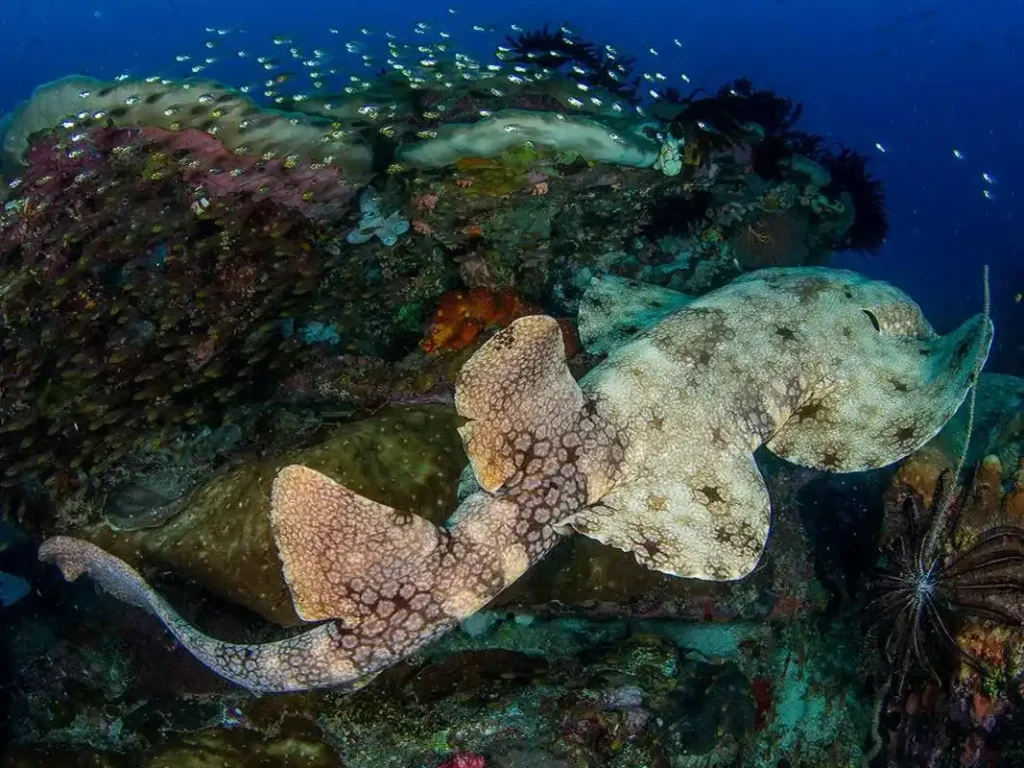
Explore the top 11 dive sites in Komodo National Park in 2027, including Batu Bolong, Castle Rock, and Crystal Rock. Discover the fees, seasons, and unique marine life that make this UNESCO World Heritage Site a must-visit for divers worldwide.
Batu Bolong: The Pinnacle of Biodiversity
Batu Bolong, a small rock in the center of Komodo National Park, offers an extraordinary diving experience. Known for its lively marine life, this dive site is a vertical rock formation covered in colorful corals. Divers are treated to a busy ecosystem with everything from schooling fish to large pelagic species. The strong currents that sweep past Batu Bolong bring nutrient-rich waters that attract a variety of marine species, including Napoleon wrasse, giant trevally, and white-tip reef sharks.
While the currents can be challenging, skilled divers find them manageable and rewarding. Batu Bolong is Komodo’s rich biodiversity, making it a must-visit spot for experienced divers. With park fees totaling IDR 300,000 per day for divers, visitors can expect an enriching experience both above and below the water. The fees also contribute to the conservation projects that keep Batu Bolong’s underwater ecosystem thriving, ensuring that future generations can enjoy the lively marine life.
Castle Rock: A Diver’s Challenge
Castle Rock is another favorite for advanced divers visiting Komodo. Located north of Gili Lawa Laut, it offers deep blue waters teeming with marine life. Known for its strong currents, which can be a thrilling challenge, Castle Rock presents divers with schools of barracuda, trevally, and even occasional manta rays. The pinnacle rises from the depths and attracts divers looking to witness the dance of marine predators and prey.
The currents here make for exhilarating drift dives, and the visibility can often reach over 30 meters. This site offers an excellent opportunity to practice current diving techniques while observing the dynamic underwater environment. As with other sites in the area, the daily IDR 300,000 fee supports conservation efforts, ensuring the park remains a haven for marine life. Additionally, the site’s remote location means dives are often conducted in smaller groups, offering a more personalized and intimate diving experience.
Crystal Rock: A Kaleidoscope Underwater
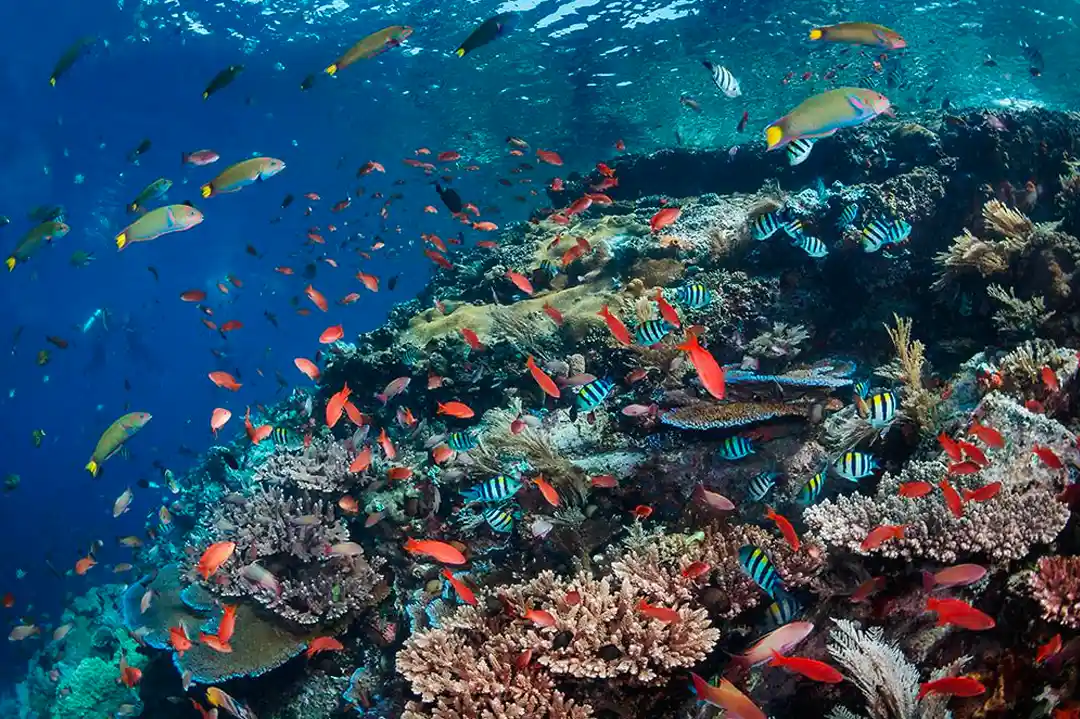
Situated near Castle Rock, Crystal Rock is named for its crystalline waters offering exceptional visibility. This dive site is renowned for its colorful coral gardens and diverse marine life that includes reef sharks, parrotfish, and snappers. The combination of lively coral and numerous fish species creates an underwater spectacle that leaves a lasting impression on all who visit.
Diving at Crystal Rock often requires timing the tides to ensure manageable currents, but the payoff is well worth it. Divers are treated to an underwater playground that showcases the park’s ecological richness. Diving here, along with the standard park fees, contributes to ongoing preservation efforts, safeguarding this underwater notable for future generations. The diverse topography, including pinnacles and swim-throughs, adds an element of adventure to the dive.
Shotgun/The Cauldron: Nature’s Thrill Ride
The Shotgun, or The Cauldron, offers one of the most exciting drift dives in Komodo. Located between Gili Lawa Laut and Gili Lawa Darat, this site harnesses the powerful currents that sweep divers through a natural channel. As divers glide along, they encounter an array of marine life including turtles, sharks, and large schools of fish.
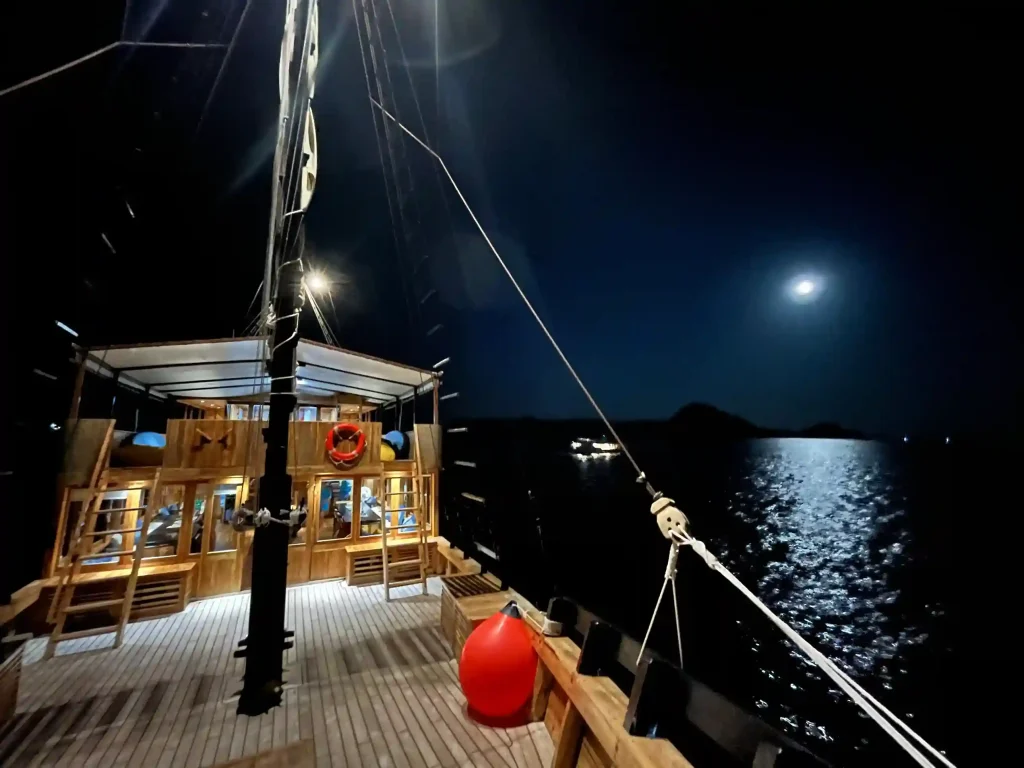
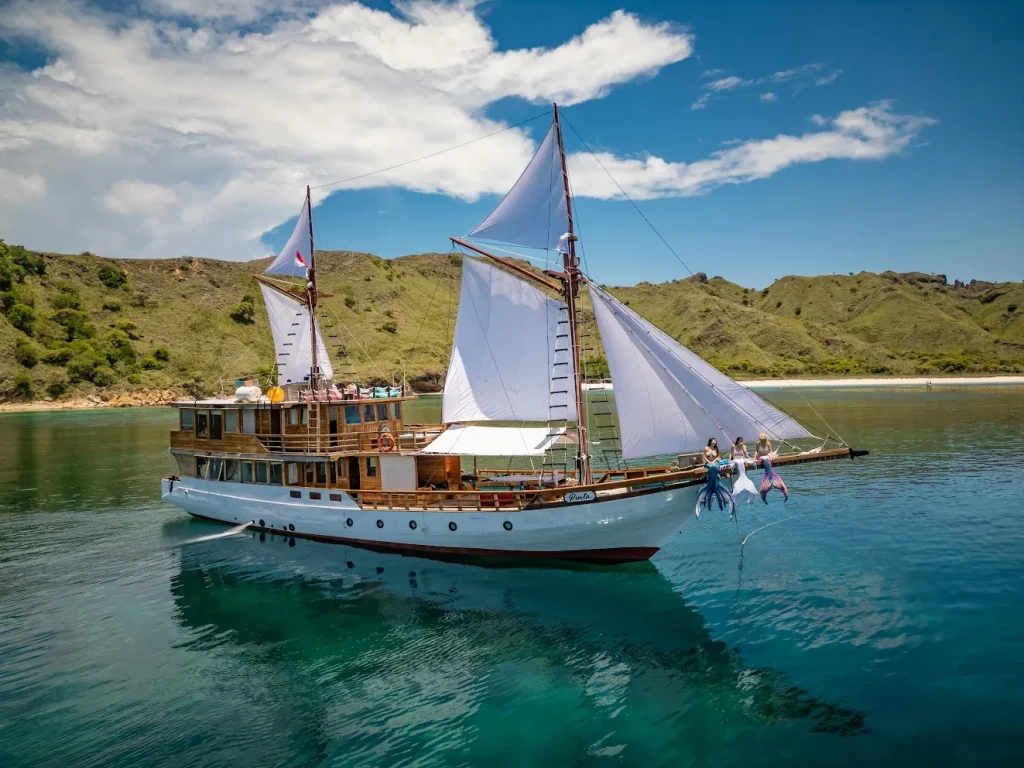
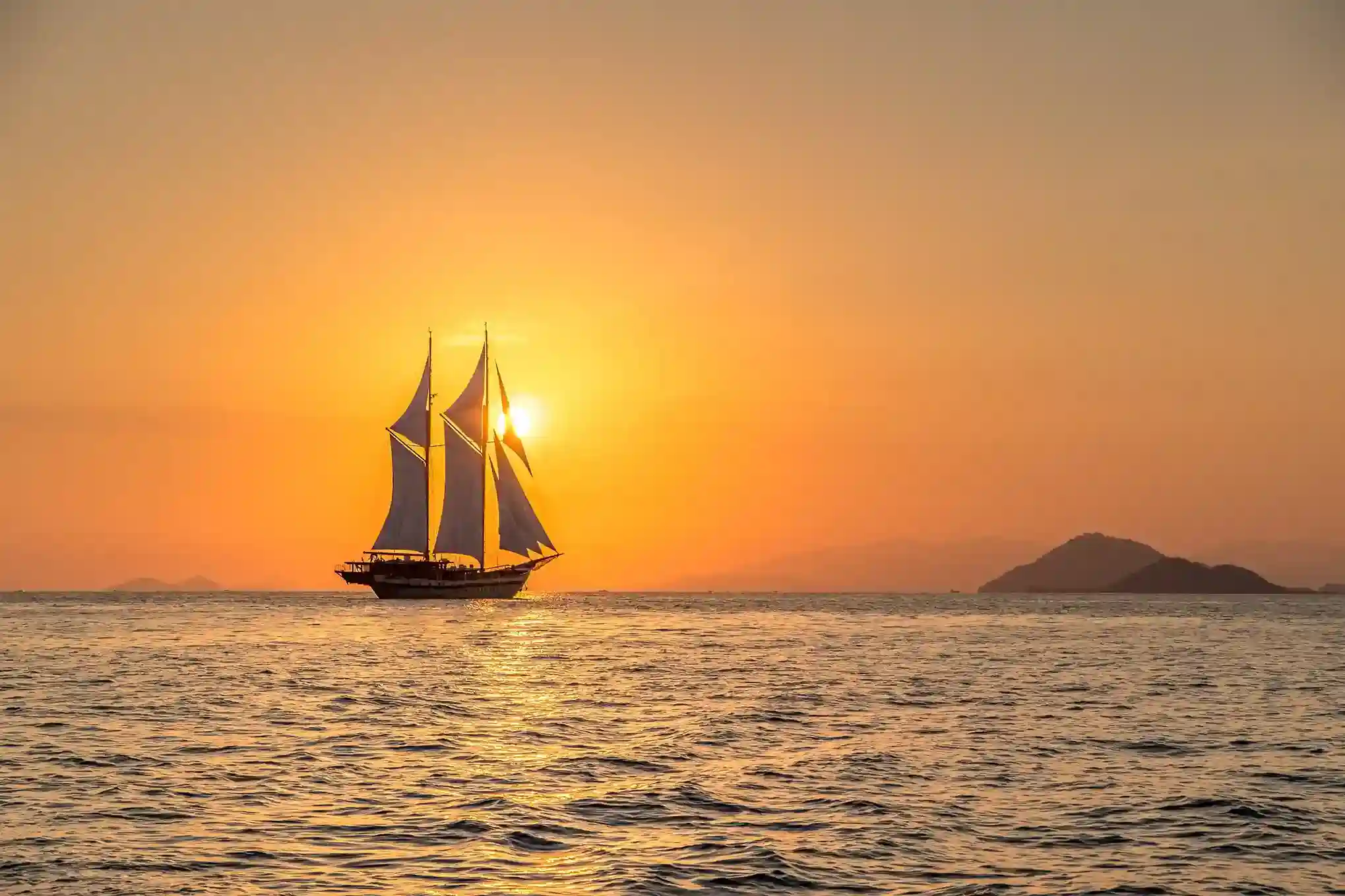
The site is particularly famous for its “shotgun” effect, where divers can experience the power of the current in a controlled and exhilarating way. This unique dive requires experience with open water currents, making it suited for advanced divers. The experience, coupled with the picturesque views of Gili Lawa, offers a perfect day of diving and exploration. After a day of diving, many liveaboard trips anchor nearby, allowing visitors to take in striking sunsets over the rugged landscape of the Komodo islands.
Tatawa Besar and Tatawa Kecil: The Gentle Giants
Tatawa Besar and Tatawa Kecil are sister sites known for their gentle conditions and lively marine life, making them ideal for divers of various experience levels. Tatawa Besar’s long reef offers encounters with turtles, eagle rays, and lively coral gardens, while Tatawa Kecil provides opportunities to see schooling fish and occasional reef sharks.
These sites are perfect for photographers and those who wish to enjoy a more relaxed dive. The dive at Tatawa Besar is often a drift dive, allowing divers to effortlessly glide along the coral reefs while soaking in the beauty of the underwater landscape. The IDR 300,000 daily fee ensures the continued protection of these sites and supports sustainable tourism in the region. Both sites are accessible throughout the year, with visibility peaking during the dry season between April and November.
Manta Point (Karang Makassar): The Ray’s Ballet
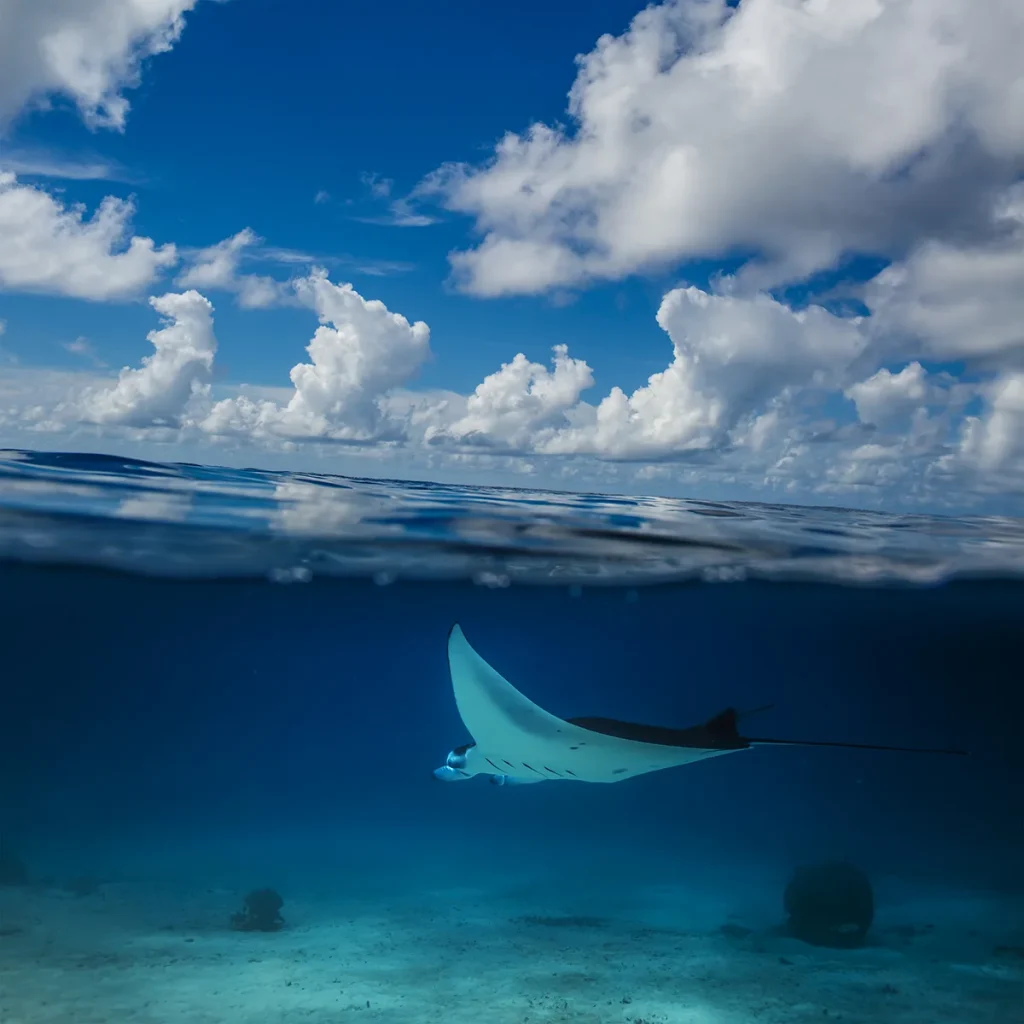
Manta Point, or Karang Makassar, is the highlight for many divers visiting Komodo. Known as a cleaning station, it attracts a large number of manta rays, particularly from December to March when sightings are most reliable. Divers can witness these graceful creatures in their natural environment, gliding effortlessly through the water.
The flat, sandy bottom of Manta Point makes for an easy dive, focusing on the spectacular dance of the mantas. This site is popular among both divers and snorkelers, who flock to Komodo to witness one of the ocean’s most captivating spectacles. The presence of mantas signifies the health of the marine ecosystem, a result of effective conservation efforts supported by visitor fees. The serene setting of Manta Point is often complemented by sightings of other fascinating species, including eagle rays and various types of reef fish.
Cannibal Rock: A South Komodo Gem
Cannibal Rock is a renowned dive site situated in the southern part of Komodo National Park, frequently included in liveaboard itineraries exploring the region’s lesser-visited spots. The site is celebrated for its lively macro life, where divers can find nudibranchs, frogfish, and pygmy seahorses amidst the colorful soft corals. Visibility varies throughout the year, often ranging from 10 to 20 meters due to nutrient-rich waters.
Diving at Cannibal Rock is a unique experience due to the diversity of marine life packed into this small area. The site is suitable for both macro photographers and those looking to see larger species like turtles and cuttlefish. The IDR 300,000 diver fee contributes to the protection of this area, helping to maintain its status as a marine biodiversity hotspot. The best time to dive here is during the dry season from April to November, when the water is calmer, and the weather allows for smoother sailing conditions.
FAQs
Q? What are the fees for diving in Komodo National Park? A: In 2027, the total fee for divers is IDR 300,000 per day. This includes the IDR 250,000 marine-park entry fee, a IDR 25,000 diver surcharge, and a IDR 25,000 harbour fee, which is approximately USD 18-19.
Q? What is the best time to dive in Komodo? A: The best overall diving and cruising weather in Komodo is from April to November. However, the manta ray season, particularly at cleaning stations like Manta Point, is most reliable from December to March.
Q? Are there ranger-guided trekking options on the islands? A: Yes, ranger-guided treks are available on Komodo and Rinca Islands for IDR 200,000 per group of up to 5 people, and IDR 150,000 per group for Padar Island. These fees are separate from the marine park entry fees.
For wider arrangements, our partner labuanbajoluxury can coordinate end to end.
Back to home.

 Komodo Diving Guides