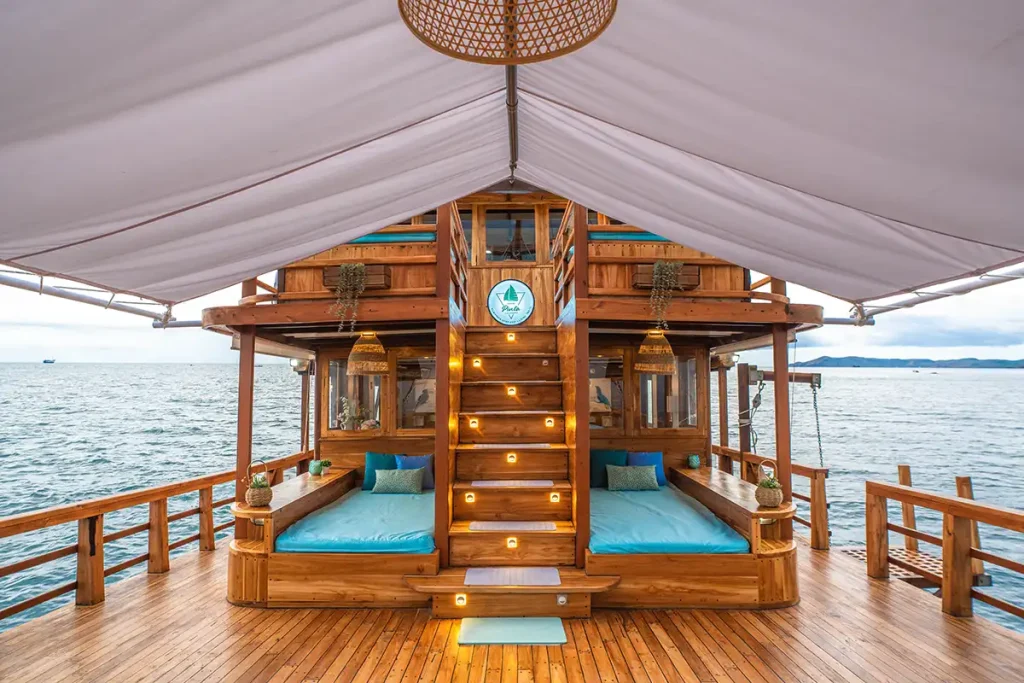
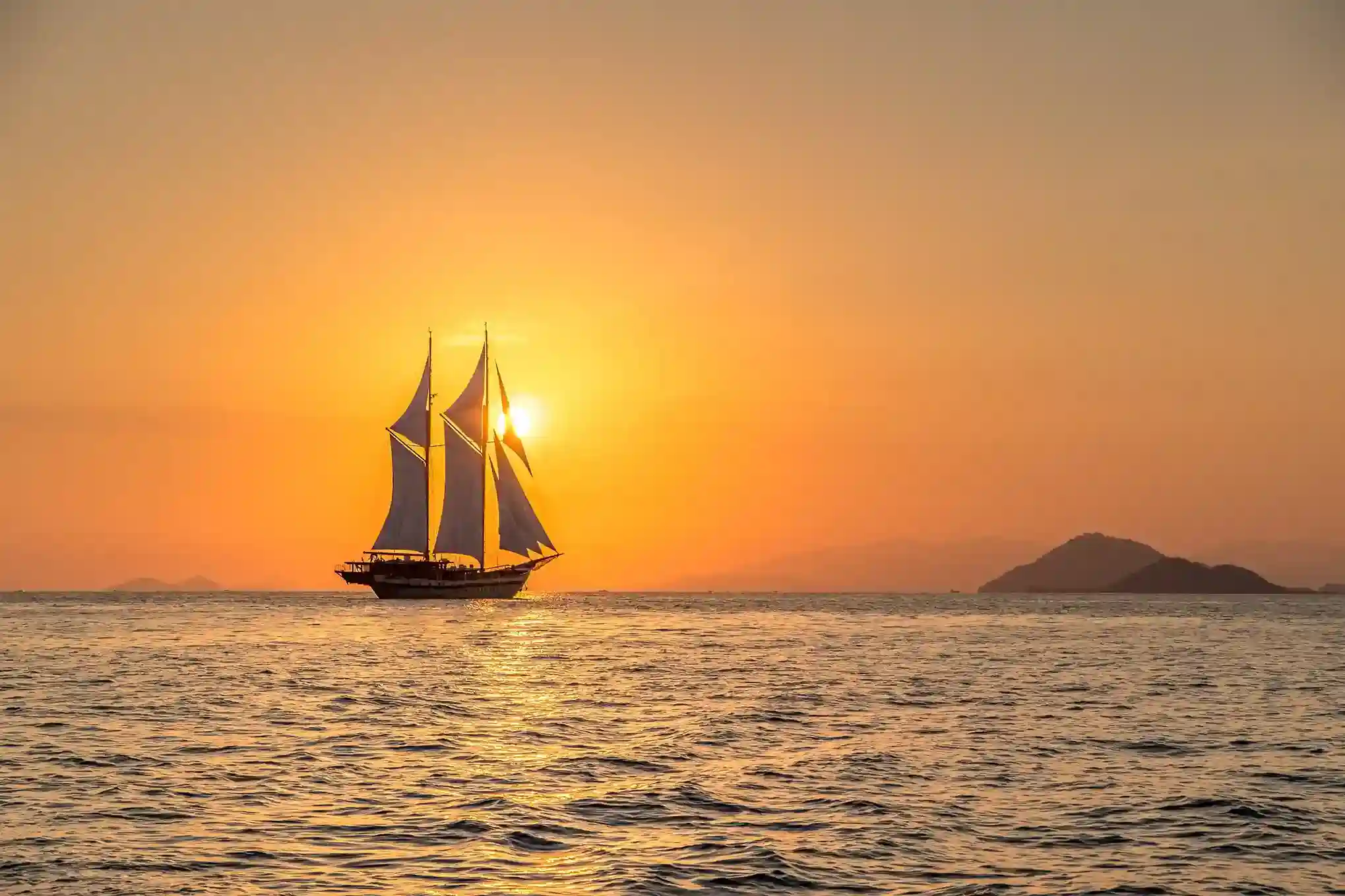
Despite ongoing rumors, the ‘Premium Tourist Tax’ in Komodo National Park is not in effect as of 2027. Guests of Pinta Liveaboard only need to pay daily component-based fees, making their Komodo diving adventures both thrilling and affordable.
Understanding the Komodo National Park Fees for 2027
Visitors to Komodo National Park in 2027 should be aware of the structured fee system that is currently in place. Contrary to earlier speculations, there is no annual ‘premium tourist tax’ of IDR 3,750,000. Instead, fees are calculated on a daily basis and are component-based. For divers, the total cost is IDR 300,000 per person per day, which includes an IDR 250,000 marine-park entry fee, an IDR 25,000 diver surcharge, and an IDR 25,000 harbor fee. This totals approximately USD 18-19, based on an exchange rate of IDR 16,000 to USD 1.
For non-diving foreign visitors, the cost is limited to the IDR 250,000 marine-park ticket per person per day. These fees ensure that all visitors contribute to the maintenance and conservation efforts of the park. The component-based fee system, as opposed to a flat annual tax, offers flexibility for visitors planning short trips within the park. This system is particularly appealing for travelers who are sensitive to budget considerations and wish to customize the length of their stay.
Diving Costs and Experiences in Komodo
When diving in Komodo, guests of Pinta Liveaboard are treated to some of the most diverse marine environments in the world. The daily fee structure is straightforward, allowing divers to easily understand what they are paying for. The premier dive sites, such as Batu Bolong, Castle Rock, and Crystal Rock, offer walls teeming with grey reef and bamboo sharks, ensuring a memorable dive experience. These sites are often regarded as some of the best in the world due to the sheer volume and diversity of marine life that inhabit the reefs.
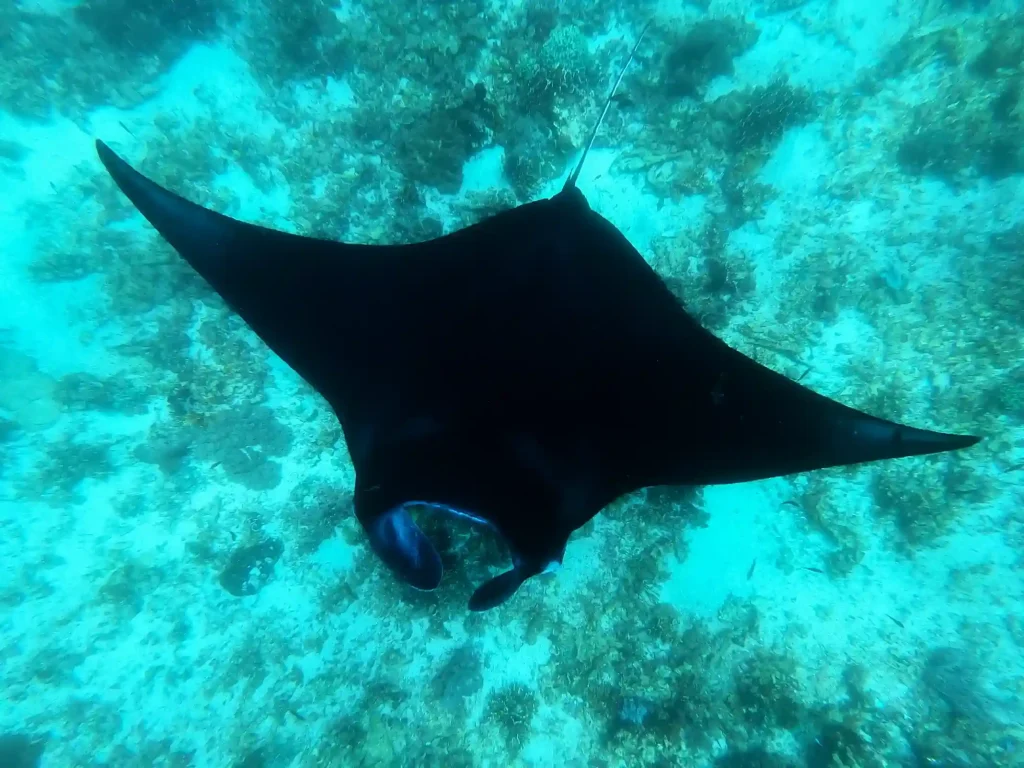
Advanced sites like Shotgun, also known as The Cauldron, and Tatawa Besar/Kecil challenge divers with their currents, while Manta Point (Karang Makassar) provides an exhilarating opportunity to witness manta rays. These sites, renowned for their biodiversity, make Komodo a preferred destination for experienced divers worldwide. The peak manta ray season, from December to March, is especially notable for the increased chance of encounters at cleaning stations, drawing diving enthusiasts from all corners of the globe.
Guided Trekking Fees and Options
For those interested in trekking, Komodo National Park offers guided tours on several islands. The fees for these guided treks are separate from the park entry fees and are charged per group. A group of up to five people can trek on Komodo Island or Rinca Island for IDR 200,000, while Padar Island treks are available for IDR 150,000 per group. These fees contribute to the employment of local guides and the preservation of the park’s terrestrial habitats. Each trek provides a unique perspective on the geological and ecological diversity found within the park.
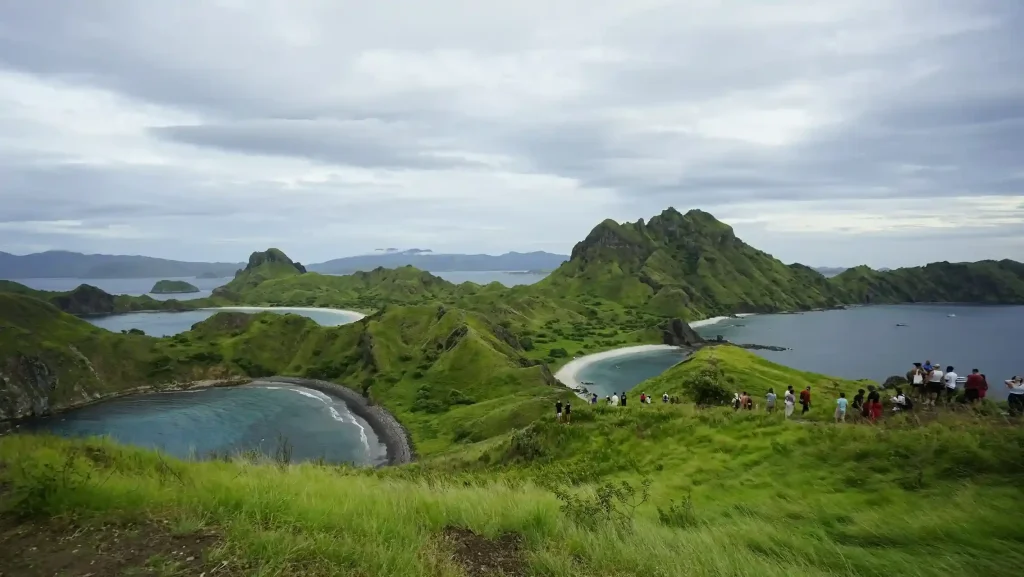
Trekking offers guests a chance to see Komodo dragons in their natural environment and to witness the unique landscapes of these islands. The dramatic topography of Padar Island and the diverse habitats of Rinca Island offer a contrasting experience to the underwater adventures. These excursions are an essential part of the Komodo experience, complementing the marine activities available. Rangers are dedicated to ensuring safety and enhancing the educational value of each trek, making them a must-do for nature enthusiasts.
Best Times to Visit and Weather Considerations
The best overall diving and cruising conditions in Komodo occur from April to November, characterized by calm seas and clear skies. These months provide the most reliable conditions for exploring the various dive sites and trekking paths. However, from December to March, the region sees an increase in manta ray activity at cleaning stations, attracting enthusiasts eager to encounter these grand creatures. This time period also aligns with a more tropical climate, characterized by lush vegetation and occasional rain showers.
It is important to note that from January to March, the seas can become rougher, especially on exposed crossings, and some liveaboard operators may reduce their schedules. Pinta Liveaboard carefully plans its itineraries to ensure safety and optimal diving conditions throughout the year. Weather patterns in this area are influenced by the monsoon effect, which can vary from year to year, making it essential for visitors to keep informed before their trip.
Standard Liveaboard Routes and Stops
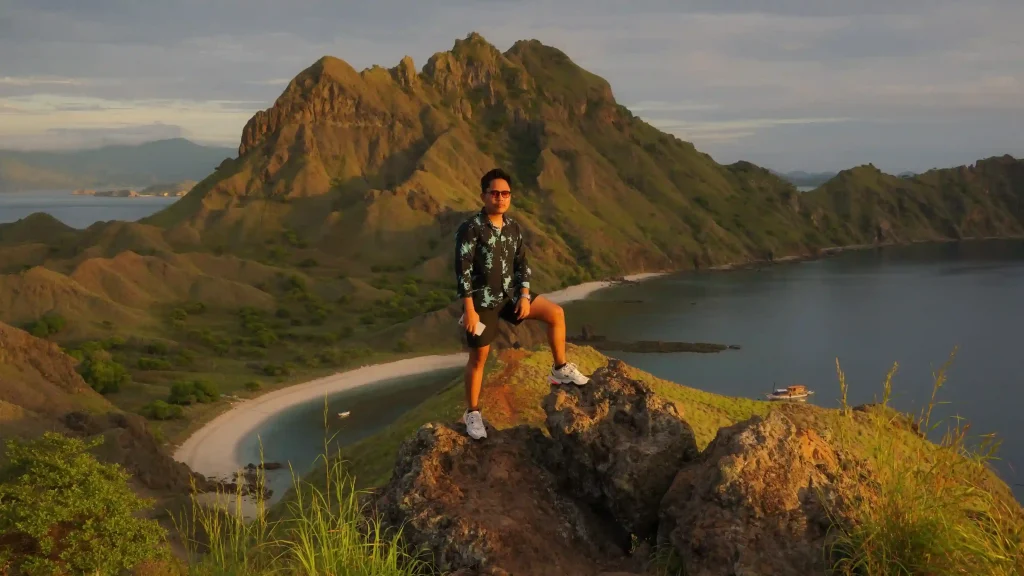
Pinta Liveaboard offers curated routes that cover the most iconic sites within Komodo National Park. Standard itineraries include stops at Padar Island for its famous viewpoint, as well as Pink Beach, known for its unique colored sands. Komodo and Rinca islands are essential stops for trekking and observing the Komodo dragons, while snorkeling and beach activities can be enjoyed at Kanawa and Taka Makassar. Each stop is selected to maximize the variety of experiences available to guests, from exploring hidden bays to observing wildlife in its natural habitat.
Additional stops include Manjarite and the Gili Lawa Darat/Laut area, which are perfect for sunset views and further exploration. These routes are designed to provide a comprehensive experience of the park’s natural offerings, both above and below the water. This careful planning reflects Pinta Liveaboard’s commitment to delivering a trip that meets the expectations of both adventure seekers and those looking to relax in the natural beauty of Komodo.
Komodo’s Commitment to Conservation and Visitor Experience
Komodo National Park is committed to balancing conservation efforts with delivering a quality visitor experience. The structured fee system ensures that all visitors contribute to the park’s sustainability initiatives. This funding is crucial in maintaining the delicate ecosystems within the park and supporting the local communities that rely on tourism. The park management collaborates with local and international conservation organizations to monitor and protect the biodiversity within the park’s waters and lands.
Pinta Liveaboard aligns with these conservation efforts by promoting responsible tourism and educating guests on the importance of preserving Komodo’s natural beauty. By choosing to visit Komodo, guests are supporting the park’s long-term goals and contributing to its preservation for future generations. Efforts are continually made to minimize the ecological footprint of tours and ensure that the natural wonders of Komodo can be enjoyed by future visitors.
常见问题解答
Q? Is the ‘Premium Tourist Tax’ in Komodo National Park real?
A: No, the ‘Premium Tourist Tax’ is not in place for 2027. Visitors pay daily component-based fees which include park entry and other specific activity charges.
Q? What are the current daily fees for diving in Komodo?
A: Divers are required to pay a total of IDR 300,000 per day, which covers entry, a diver surcharge, and a harbor fee. Non-divers pay IDR 250,000 per day.
Q? What is the best time to visit Komodo for diving?
A: The ideal time for diving and cruising is from April to November due to favorable weather conditions. Manta ray season peaks from December to March.
如需更全面的安排,我们的合作伙伴labuanbajoluxury可提供端到端的协调服务。
See also: Best Time to Visit Komodo National Park in 2027: Month-by-Month Guide, Komodo National Park Entrance Fee 2027: Diver, Snorkeler & Ranger Costs (IDR + USD) · Home.

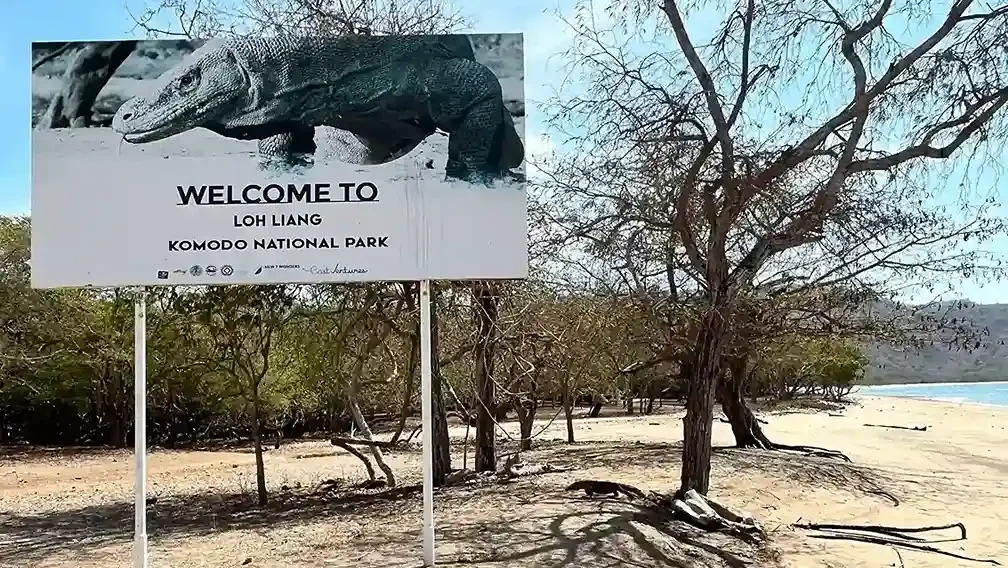
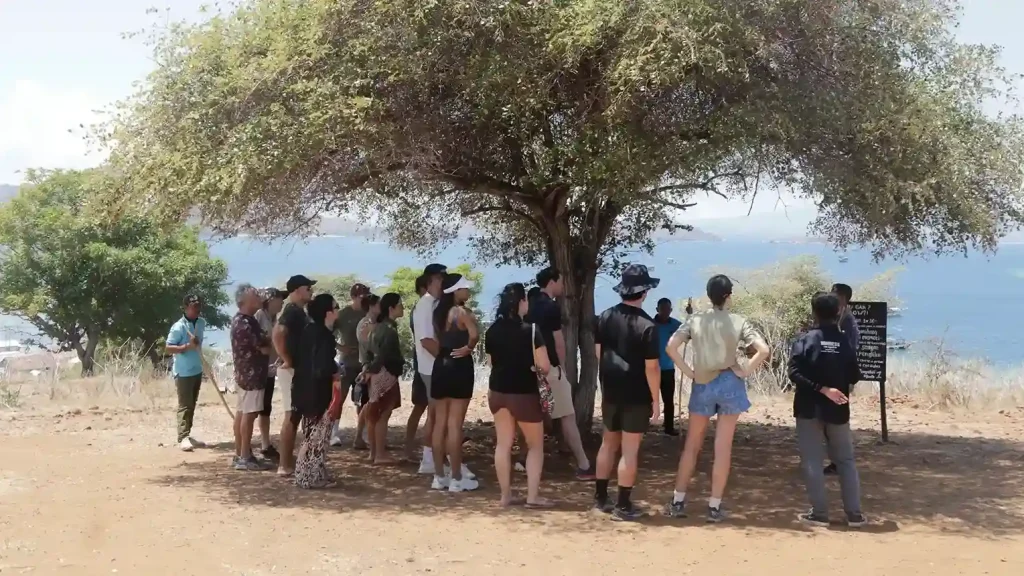 游览科莫多岛